

A used vehicle is worth the money when its purchase price, mechanical condition, import duty and shipping costs make sense together. For an overseas buyer, the best used vehicle for the money is not necessarily the cheapest listing; it is the vehicle whose verified value remains competitive after customs clearance and delivery to the destination port.
Understanding the Real Cost of a Used Vehicle
The advertised vehicle price is only one part of the purchase decision. Buyers importing from China need to calculate the landed cost, which includes the vehicle price, international freight, insurance, customs duty, taxes and local clearance expenses. These costs can change the financial comparison between two vehicles that initially appear similar.
Customs duty is particularly important because many importing authorities calculate duties using a Cost, Insurance and Freight (CIF) valuation. CIF represents the vehicle’s declared value plus applicable shipping and insurance costs to the destination port. Depending on the country’s customs framework, additional charges may apply to the resulting customs value. Some markets also impose age-related penalties or use vehicle age as a factor in determining applicable taxes.
This means a lower purchase price does not automatically produce a lower import bill. A vehicle with a higher declared value may attract more duty, while an older vehicle may face additional charges under the destination country’s valuation rules. Buyers should request a landed-cost estimate before confirming payment. The calculation should identify the expected customs value, applicable duty categories, taxes and port charges separately rather than presenting one unexplained total.
Customs Duty, Valuation and Required Documents
Nigeria provides a useful example of why customs preparation matters. Vehicle imports may involve Form M and a Pre-Arrival Assessment Report (PAAR), alongside the relevant shipping and commercial documents. Form M is part of the import documentation process, while PAAR supports customs assessment before clearance. The importer and authorised bank or processing parties should confirm the applicable procedures and current requirements before shipment.
Common export and import documents include:
- Commercial invoice showing the vehicle description and transaction value.
- Bill of lading identifying the shipment and destination port.
- Certificate of origin identifying where the vehicle originates.
- Export customs declaration and relevant export approval documents.
- Vehicle registration or deregistration documents, where required.
- Inspection records and vehicle identification details.
- Form M and PAAR for applicable Nigerian import transactions.
A certificate of origin helps establish the vehicle’s declared origin, but it does not automatically qualify the shipment for preferential duty treatment. That depends on the applicable trade arrangements and customs rules. Documentation must also match. Differences between the invoice, vehicle identification number (VIN), shipping records and customs declaration can trigger additional checks.

Customs valuation disputes are another potential source of expense. If an authority considers the declared transaction value inconsistent with its valuation references or supporting evidence, it may request additional documents or reassess the customs value. Buyers should retain payment records, purchase invoices, vehicle specifications and comparable transaction evidence. An exporter should provide accurate commercial documentation rather than reduce the declared value artificially to lower duty. Undervaluation can lead to penalties, delays or seizure-related consequences under applicable law.
A local clearing agent handles much of the destination-side process. The agent submits documentation, coordinates customs assessment, arranges payment of applicable charges and manages port release procedures. Buyers should agree on the agent’s responsibilities and fees in advance. Customs duty, government taxes, terminal charges and the agent’s professional fee should appear as separate items in the cost estimate.
Choosing a Vehicle That Justifies Its Import Cost
The vehicle itself still determines whether the overall transaction makes commercial sense. A useful assessment starts with condition, mileage, specification and suitability for the destination market. Mileage should be checked against available service records, inspection findings and vehicle history. Exterior repairs, structural damage, suspension wear, engine performance and transmission operation also require examination. A low odometer reading is not sufficient evidence of good condition.
For Chinese-brand SUVs, the available models serve different buyer requirements. The BYD Atto 3 is an electric SUV, making battery condition, charging compatibility and access to suitable charging infrastructure central purchasing considerations. Buyers should request battery state-of-health information where available, examine charging performance and check for fault codes. Battery transport requirements must also be addressed before export, as electric vehicles can involve additional shipping and safety procedures.
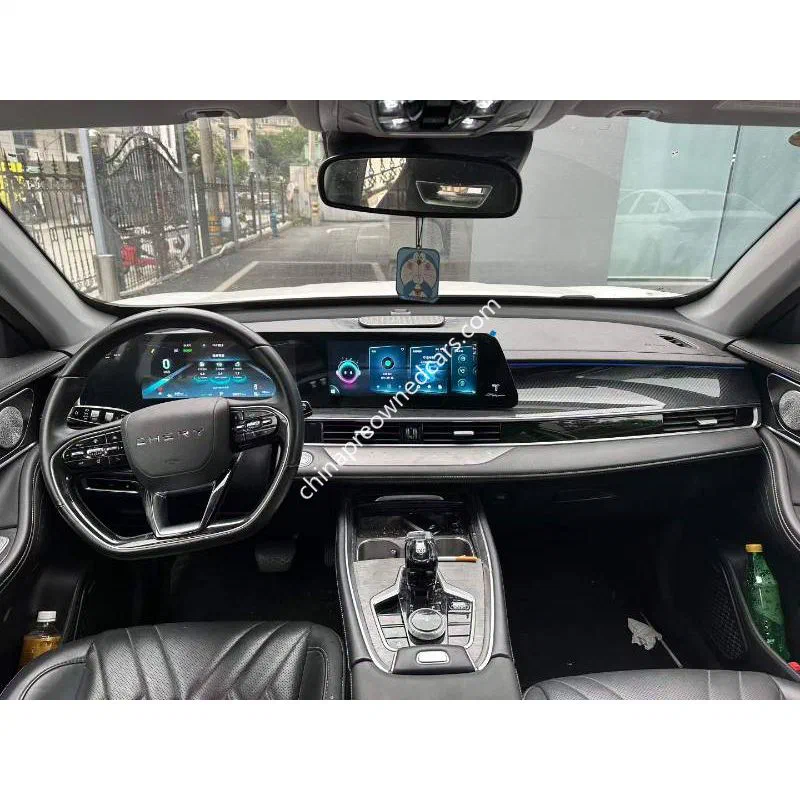
The Chery Tiggo 7 Plus and Geely Coolray offer alternatives for buyers comparing conventional SUV configurations and running costs. The Chery Tiggo 8 Pro provides a larger SUV option for buyers who need additional cabin space. The Haval H6 is another model to assess against local demand, parts availability and servicing capability. Specifications can vary by model year and trim, so buyers should verify the exact engine, drivetrain, safety equipment and installed features rather than rely on a model name alone.
Import compatibility is equally important. Ghana, Nigeria, Kenya, Uganda and Tanzania each have their own rules governing vehicle age, emissions, roadworthiness and import documentation. These requirements can change. Buyers should confirm the current rules with customs authorities or a qualified local clearing agent before selecting a vehicle. Most Chinese domestic-market vehicles are left-hand drive (LHD). This is a significant consideration for countries with right-hand-drive road systems, where LHD vehicles may face restrictions or require specific approval. The destination’s rules must be checked before purchase, not after the vehicle reaches port.

Shipping, Delays and the Final Cost Calculation
Once the vehicle has passed the agreed pre-shipment inspection, the exporter must complete the relevant Chinese export licensing, customs declaration and inspection procedures. The inspection should document the VIN, odometer reading, visible body condition, mechanical findings and equipment operation. For electric vehicles, battery-related checks should be included where available. Buyers should receive the inspection findings and supporting photographs before shipment. These records describe the vehicle’s condition at inspection; they should not be treated as a guarantee against subsequent faults.
Shipping generally takes place through Roll-on/Roll-off (RoRo) services or container transport. RoRo is commonly used for vehicles that can be driven onto and off the vessel. It can be suitable for standard vehicle shipments, subject to carrier acceptance and port arrangements. Container shipping places the vehicle inside a freight container and may be preferable when additional cargo protection or specific handling arrangements are required. The choice affects freight costs, loading arrangements and documentation.
Delays can occur when export approvals are incomplete, inspection findings require clarification, shipping documents contain inconsistent details or customs authorities request further valuation evidence. Vessel schedules, port congestion and destination-side inspections can also affect release times. Buyers should distinguish the estimated sailing schedule from the total time required for customs clearance and collection. Neither should be treated as a guaranteed delivery date.
Before authorising payment, buyers should obtain a written breakdown covering the vehicle price, inspection arrangements, export documentation, freight, insurance and destination-side charges where these are included. Payment milestones should be linked to identifiable stages, such as vehicle confirmation, inspection approval and shipping-document release. The agreement should also specify who handles export procedures, who appoints the clearing agent and what support is available if customs requests additional information.
For buyers importing into African markets, a sound purchasing decision depends on comparing the complete landed cost with the vehicle’s verified condition and local suitability. A competitively priced SUV can become an expensive purchase if its age, steering configuration or customs classification creates problems at the destination port. Confirming these details before shipment is a practical way to control import costs and avoid preventable clearance disputes.
FAQ
Q: How is customs duty calculated on a used vehicle imported from China?
A: Customs authorities commonly use the CIF value as a starting point, with applicable duty, taxes and other charges determined by local regulations. Vehicle age and valuation rules may also affect the final amount.
Q: What documents are needed to clear a used vehicle in Nigeria?
A: Common requirements include the commercial invoice, bill of lading, certificate of origin, vehicle documentation, Form M and PAAR. Importers should confirm the latest requirements with their bank, customs authority and clearing agent.
Q: Can a left-hand-drive vehicle be imported into Ghana, Kenya or Tanzania?
A: These countries have specific vehicle import and road-use requirements, and left-hand-drive eligibility must be confirmed before purchase. Buyers should obtain current guidance from the relevant customs or transport authorities.