A used car dealer for export buyers provides vehicle sourcing, condition checks, export documents, and shipping coordination. This article explains how an exporter supports customs and duty preparation for Chinese pre-owned vehicles shipped to markets such as Ghana, Nigeria, Kenya, Uganda, and Tanzania.
Customs preparation and buyer support
A professional exporter helps collect vehicle information needed for customs review, including VIN details, ownership records, commercial documents, and export paperwork. Chinese used vehicle exports require an export license, customs declaration, and pre-shipment inspection before shipment. Vehicles may be shipped by RoRo or loaded into containers depending on the vehicle type, route, and buyer requirements.
For import duty calculation, customs authorities commonly assess vehicles using a CIF basis, which considers the vehicle value, insurance, and freight cost. Some markets may apply additional factors related to vehicle age or classification, so buyers should confirm current rules with local authorities or clearing agents before shipment. Duty rates and import requirements can change over time.
Nigeria import procedures may involve documents such as Form M, PAAR, certificate of origin, and other customs declarations. The exact paperwork depends on the destination rules and shipment details. A clearing agent normally handles customs submissions, duty assessment communication, and release procedures at the destination port. Valuation disputes can happen when customs authorities question the declared vehicle value, so accurate invoices and supporting records are important.
Vehicle selection and export verification
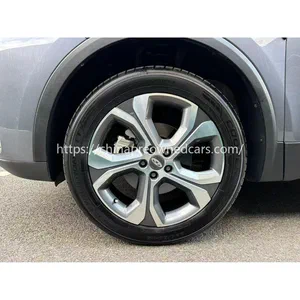
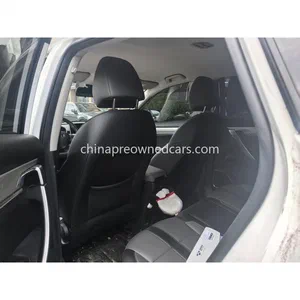
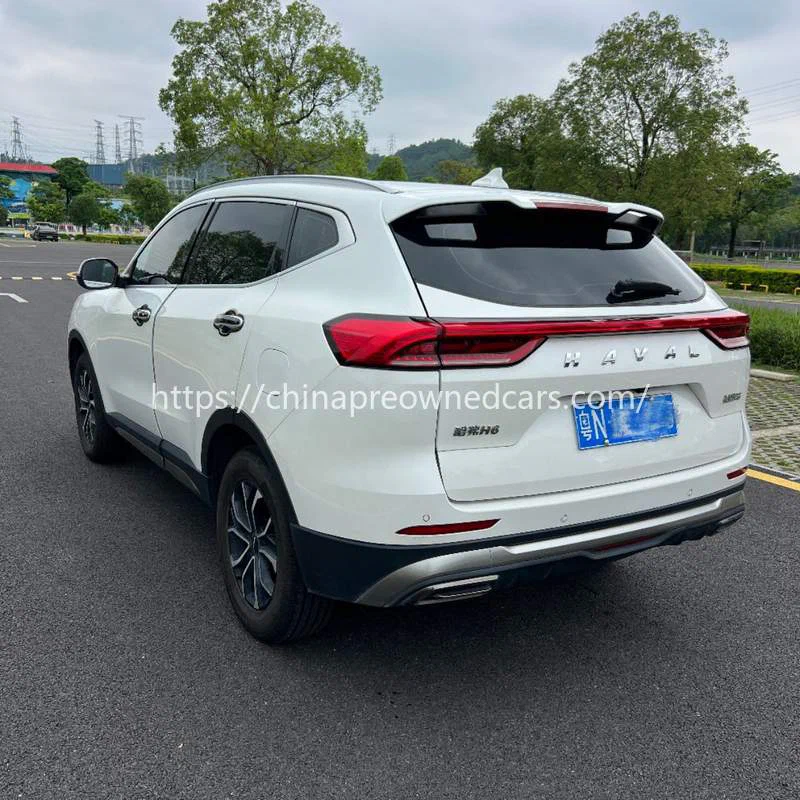
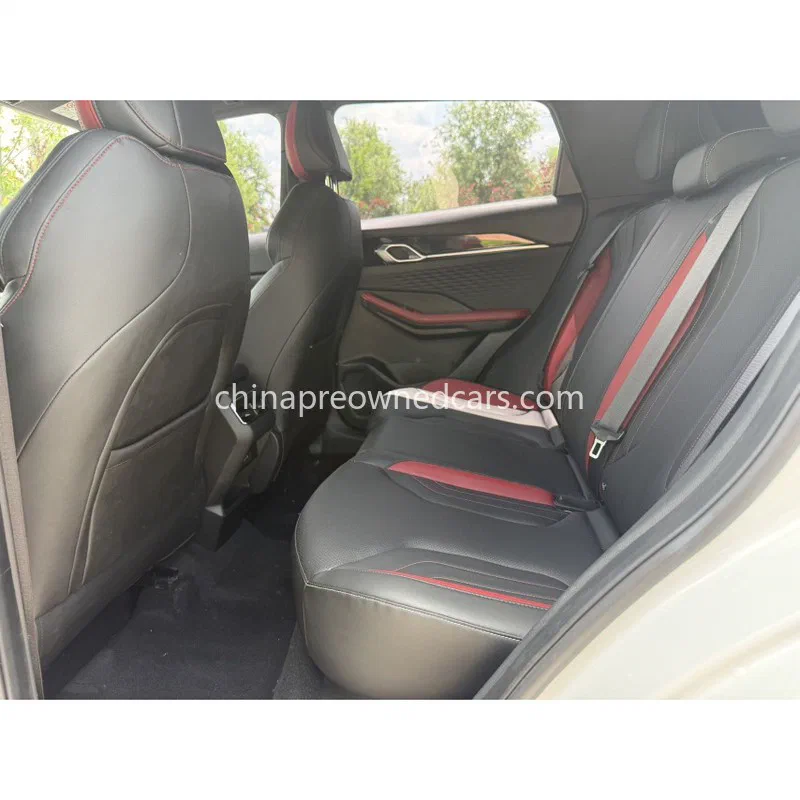
Chinese-brand SUVs such as BYD Atto 3, Chery Tiggo 7 Plus, Chery Tiggo 8 Pro, Geely Coolray, and Haval H6 are commonly evaluated for export based on vehicle history, specifications, and market suitability. For electric vehicles, battery health checks are an important part of the inspection process because battery condition affects operating performance and transport considerations.
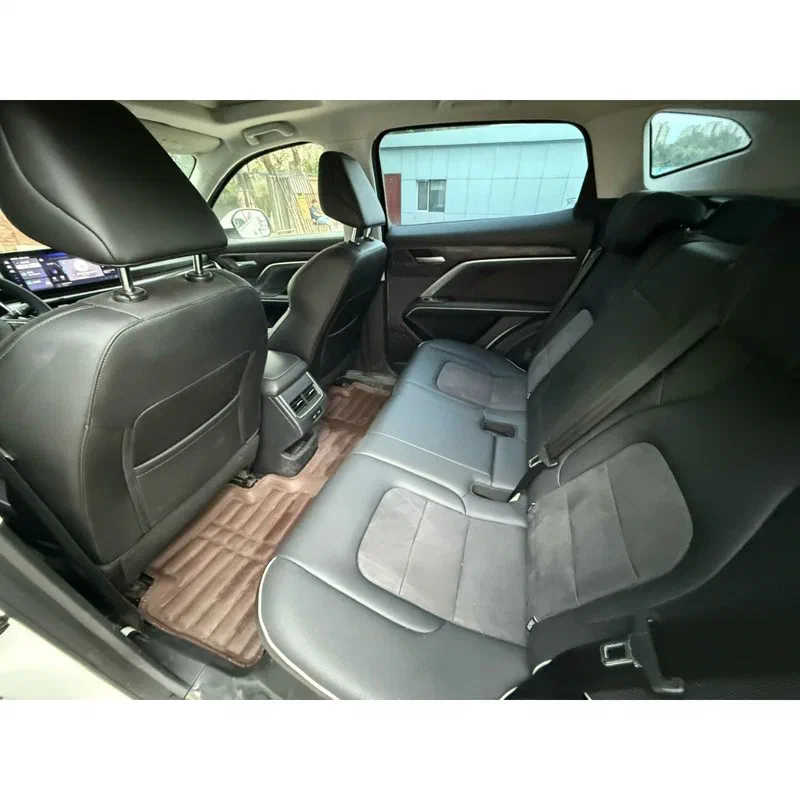
Before purchase, buyers should verify inspection records, mileage information, maintenance history, and vehicle photographs or videos. Condition grading should describe the actual inspection findings rather than provide an assumption of future performance. Exporters can arrange pre-shipment inspection to check vehicle condition before loading.
Most vehicles sourced from China are left-hand drive, which fits many markets but may not meet requirements in every country. Destination authorities set their own rules for drive side, emission standards, vehicle age limits, and roadworthiness. These requirements should be confirmed before selecting a vehicle.


Shipping delays often come from incomplete documents, customs valuation questions, port procedures, or changing import requirements. Clear communication between the exporter, buyer, shipping provider, and clearing agent reduces avoidable issues. Payment terms, shipping lead time expectations, and after-sales support arrangements should also be confirmed before the transaction moves forward.
FAQ
Q: What documents are usually needed for importing a used vehicle?
A: Common documents include export paperwork, commercial invoices, shipping documents, certificate of origin, and destination-specific customs forms. Requirements vary by country and should be checked before shipment.
Q: Why is pre-shipment inspection important for used car exports?
A: Pre-shipment inspection helps verify vehicle condition, identification details, and export readiness before shipping. It gives buyers clearer information before customs clearance begins.