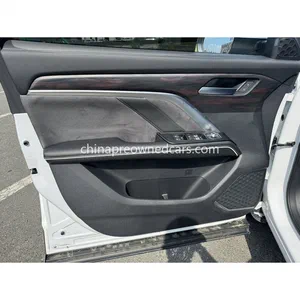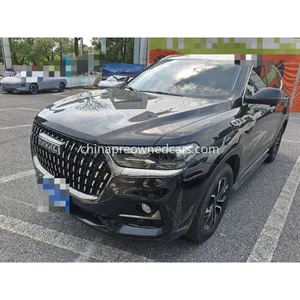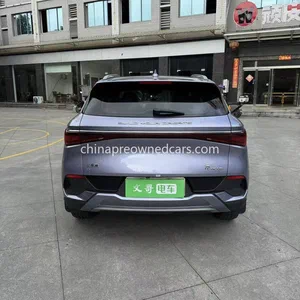

Exporting a recent-model electric vehicle requires checks beyond body condition and mileage. Buyers need to assess battery health, confirm charging compatibility, and understand how customs valuation and dangerous-goods rules affect the shipment. For Chinese used EVs and hybrids destined for Ghana, Nigeria, Kenya, Uganda, or Tanzania, these checks should begin before payment and vehicle dispatch.
Battery state of health (SOH) is a key factor in an EV’s export value. Buyers should request a diagnostic report showing remaining usable capacity, battery fault codes, cell-voltage differences, and charging performance, then compare the findings with the manufacturer’s specifications. An odometer reading alone cannot establish battery condition. A vehicle advertised as a second hand car 2025 model may have relatively low mileage but still show degradation from heat exposure, frequent fast charging, or prolonged storage at a high or low state of charge. Confirm the vehicle identification number (VIN), service records, accident history, and diagnostic results before agreeing on a final valuation. For hybrids, inspect the traction battery alongside the combustion engine, transmission, and hybrid control system.
Charging compatibility can determine whether an imported EV is practical after arrival. Chinese-market vehicles may use GB/T connectors, while CCS and CHAdeMO are found in other charging networks. Buyers should verify the exact AC and DC charging interfaces, onboard charger specifications, supported charging speeds, and any adapter limitations for the intended destination. Acceptance varies by country, network, and individual charging station; a connector adapter does not guarantee compatibility with every vehicle or charger. Ghanaian, Nigerian, Kenyan, Ugandan, and Tanzanian buyers should check local public charging availability, electrical supply conditions, and access to suitable home or depot charging. Real-world range also matters. Heat, air-conditioning use, road conditions, load, and battery degradation can reduce usable distance, affecting resale value and the vehicle’s suitability for commercial fleets.


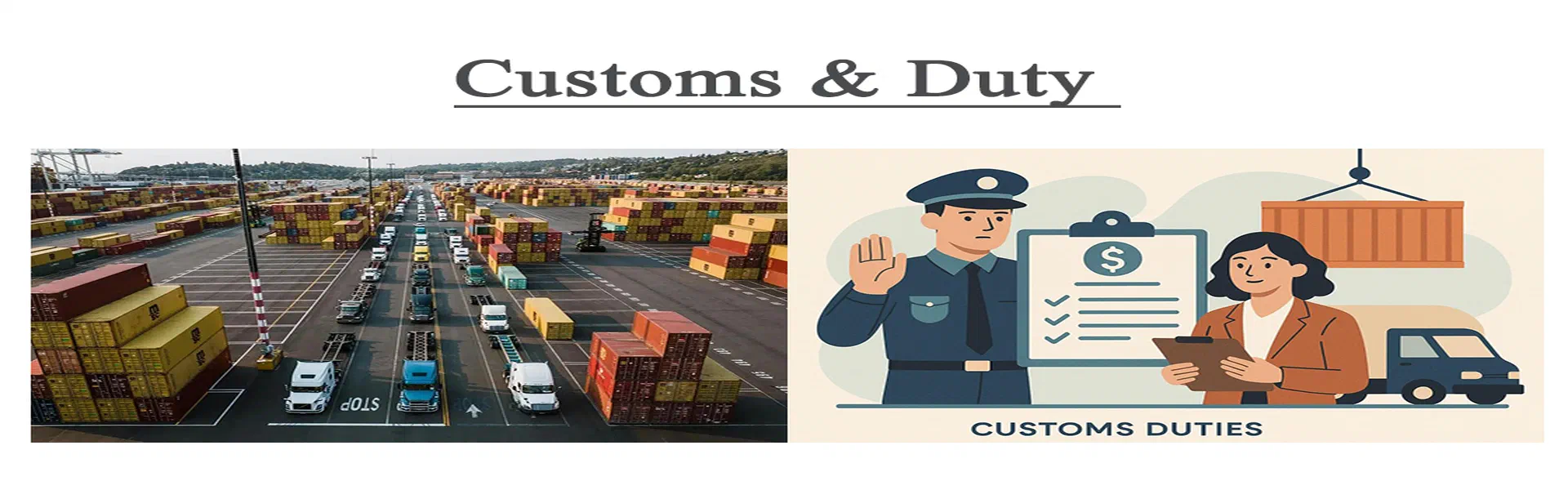
Customs costs must be calculated before the purchase is finalised. Import charges may depend on customs value, vehicle classification, applicable duties and taxes, age-related rules, and other national requirements. CIF value generally refers to the cost of the vehicle plus insurance and freight to the named destination port; the precise valuation method and taxable components depend on the importing country’s rules. Customs authorities may challenge a declared value if the invoice appears inconsistent with comparable vehicles or supporting records. Buyers should retain the sales invoice, payment evidence, export declaration, bill of lading, certificate of origin where required, and inspection documentation. In Nigeria, Form M and the Pre-Arrival Assessment Report (PAAR) form part of the import process for applicable transactions. Requirements and procedures can change, so a local clearing agent should confirm current documentation, valuation procedures, age restrictions, emission rules, and applicable charges before shipment. Similar checks are necessary for Ghana, Kenya, Uganda, and Tanzania.
Export preparation also involves transport and battery compliance. China-side export licensing, customs declaration, and required pre-shipment inspection must be completed before the vehicle leaves. RoRo shipping is often suitable for operable vehicles, while container shipping may offer additional protection or suit particular cargo arrangements. However, an EV’s lithium-ion battery introduces requirements that do not apply in the same way to conventional petrol vehicles. The shipper must determine whether the vehicle is being transported as a vehicle containing a lithium-ion battery or under another applicable dangerous-goods classification, and confirm the carrier’s documentation, battery condition, state-of-charge limits, and handling rules. UN 3480 applies to lithium-ion batteries shipped on their own; vehicles containing installed batteries may fall under different provisions. Misclassification, incomplete paperwork, unresolved battery faults, customs valuation disputes, and missing permits can all delay release. Before paying a balance, buyers should agree in writing on inspection scope, payment milestones, shipping arrangements, document delivery, and responsibility for destination clearance. After-sales support should also cover access to diagnostic tools, compatible parts, and battery servicing.
FAQ
Q: How can an exporter verify the battery health of a used EV?

A: Request a diagnostic report showing battery state of health, fault codes, cell-voltage differences, and charging performance. Where possible, arrange an independent inspection and verify that the report matches the vehicle’s VIN.
Q: Which charging connector should buyers choose for African markets?
A: Confirm the exact connector and charging specifications against available charging stations in the destination country. GB/T, CCS, and CHAdeMO are not universally interchangeable, and adapter availability does not guarantee full compatibility.
Q:: What documents help prevent customs delays when importing a used EV into Nigeria?
A: Buyers should confirm the required Form M, PAAR, commercial invoice, bill of lading, export declaration, certificate of origin where applicable, and inspection records with a Nigerian clearing agent. Current valuation, vehicle eligibility, and battery transport requirements should be checked before dispatch.