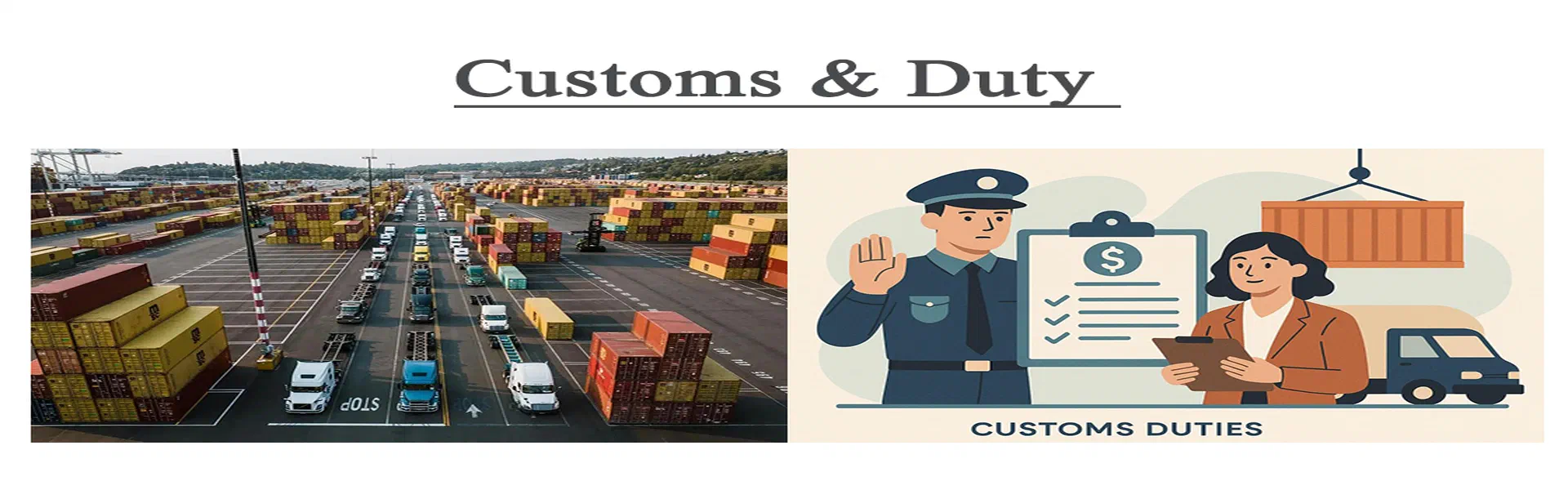
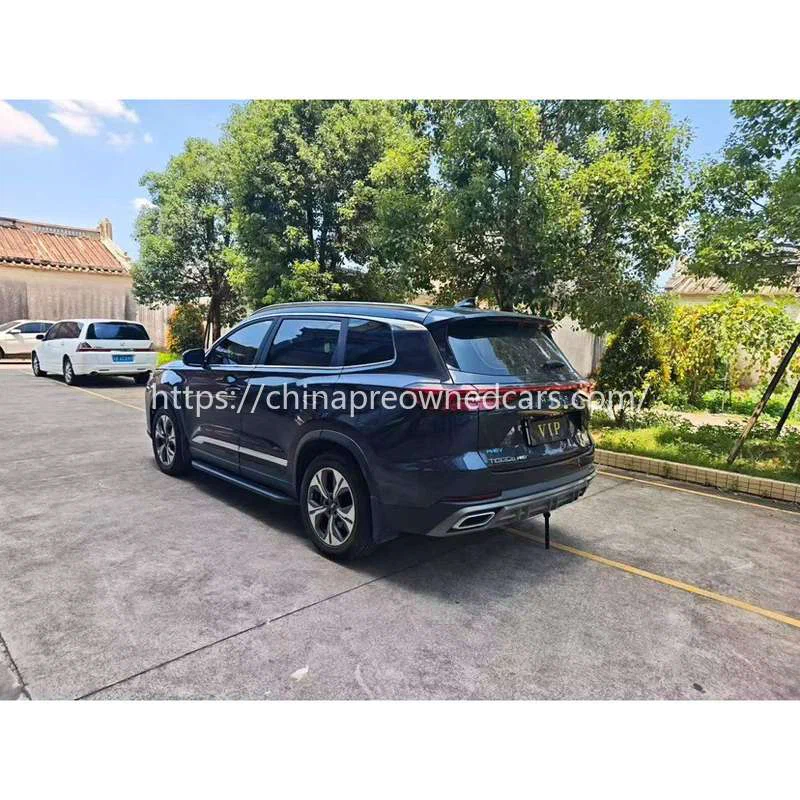
Choosing between a used vehicle and a new one requires more than comparing purchase prices. For overseas buyers sourcing Chinese SUVs, inspection, export documentation, shipping, and destination-port charges all affect the final landed cost. The export workflow determines which costs can be confirmed before dispatch and which depend on local customs procedures.
Inspection and export documentation

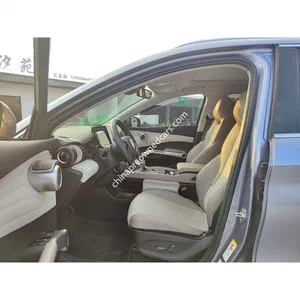
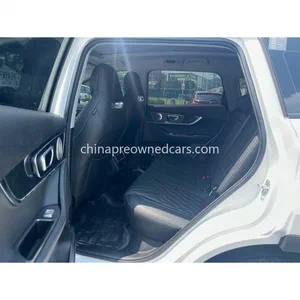
The process starts with vehicle selection and pre-shipment inspection. For a used vehicle, the inspection should establish its observable condition and identify issues that could affect roadworthiness, resale value, or transport. Checks typically cover the VIN and vehicle identity, odometer reading, bodywork, signs of accident repairs, tyres, brakes, suspension, lights, and electronic systems. Buyers should request dated photographs and a written inspection report, then clarify how any defects will be handled before payment and shipment.
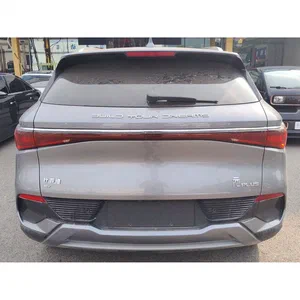
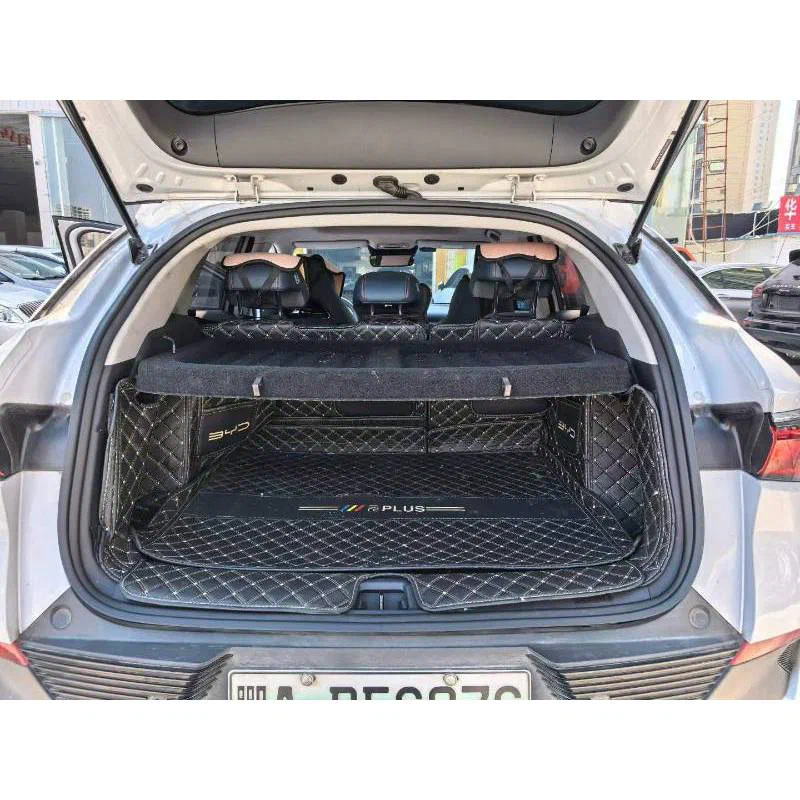
Electric and hybrid vehicles need additional checks. For a BYD Atto 3, battery state of health, charging operation, diagnostic faults, and available battery records deserve particular attention. A visual inspection alone cannot establish battery capacity or remaining service life. Buyers should also confirm whether the vehicle’s charging equipment and connector are suitable for the destination. Any required inspection certificate or conformity document must be identified against the current rules of the importing country; a seller’s condition report does not automatically replace a government-required certificate.
Once the vehicle is approved for export, the exporter arranges the applicable export licence, customs declaration, and supporting paperwork. The document set commonly includes a commercial invoice, vehicle identification details, a bill of lading issued for the shipment, and a certificate of origin where required. Names, VINs, declared values, and consignee details must match across documents. Missing or inconsistent information can delay customs processing or cargo release.
Shipping method, port charges and landed cost
Shipping normally proceeds by roll-on/roll-off (RoRo) vessel or container. RoRo allows eligible vehicles to be driven onto and off the vessel, making it a practical option when the route and sailing schedule support vehicle cargo. Container shipping can suit buyers who need enclosed transport or are consolidating cargo, but loading, securing, container handling, and unloading require careful coordination. The cheaper quotation is not always the lower-risk choice: compare what each quote includes, how the vehicle is secured, insurance coverage, and responsibility for damage claims.
The export timeline includes vehicle preparation, inspection, document processing, customs clearance, port delivery, vessel scheduling, ocean transit, and destination-port release. Lead times vary with the route, sailing availability, documentation, and congestion. Port charges may include terminal handling, unloading or release fees, storage, and other local services. Import duty, taxes, customs-agent fees, and inland transport are separate potential costs. Buyers should request an itemised quotation that distinguishes origin charges, freight, insurance, destination charges, and government assessments rather than treating the vehicle price as the full amount payable.
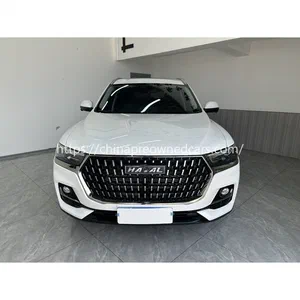
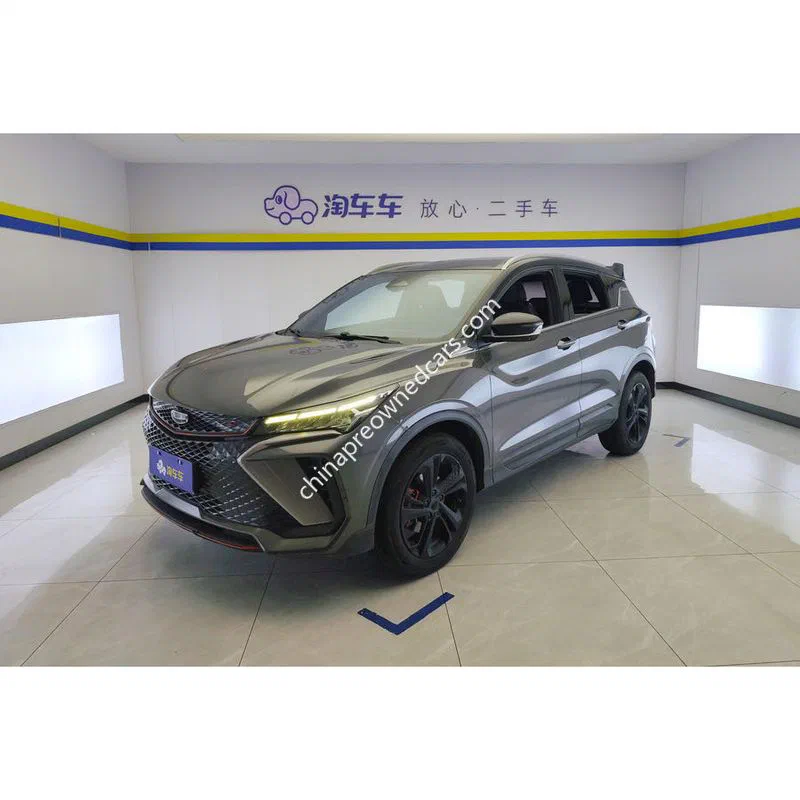
For buyers comparing used car vs new car prices, the useful measure is the total landed cost alongside expected maintenance and resale value. China-sourced models such as the Chery Tiggo 7 Plus, Chery Tiggo 8 Pro, Geely Coolray, and Haval H6 may suit different buyer requirements, but the selected vehicle must also comply with destination rules. Importers in Ghana, Nigeria, Kenya, Uganda, and Tanzania should verify current vehicle-age restrictions, emissions requirements, roadworthiness rules, and applicable left-hand-drive acceptance before committing funds. Most vehicles in the available range are left-hand drive, so compatibility must be checked before shipment.
FAQ
Q: Which documents should a buyer request before a used car is shipped?
A: Request the vehicle identification details, inspection report, commercial invoice, applicable export and customs documents, and confirmation of the bill of lading and certificate of origin requirements. The final document set depends on the destination country’s current import procedures.
Q: Is RoRo or container shipping cheaper for a used SUV?
A: RoRo can be economical for a single eligible vehicle, while container shipping may suit enclosed transport or consolidated cargo. Compare the complete origin-to-destination charges, insurance, handling fees, and damage-claim terms before choosing.