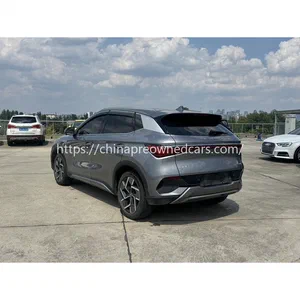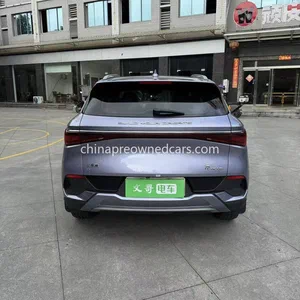
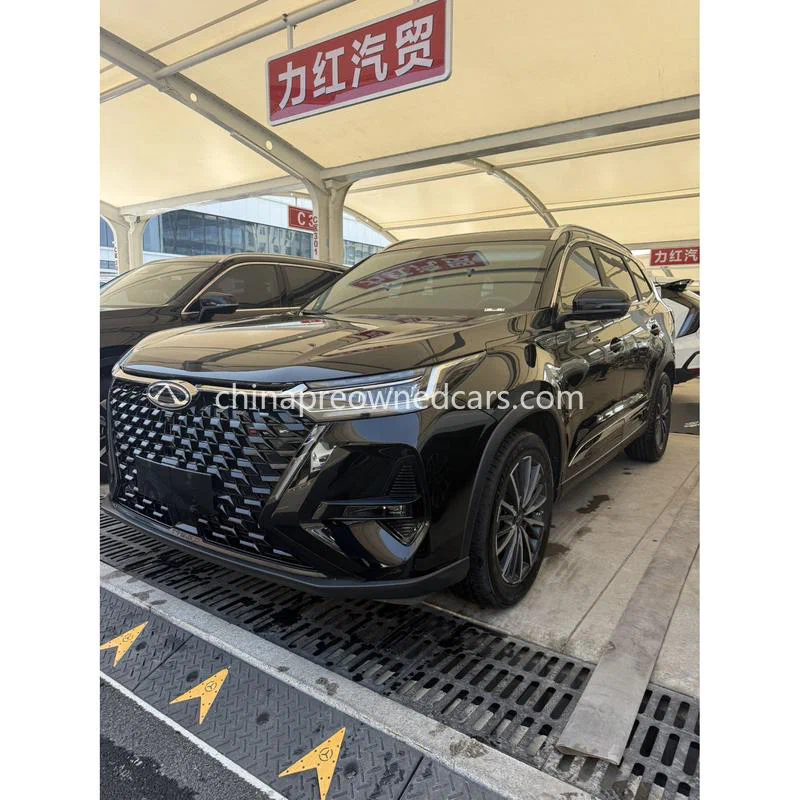
Condition assessment affects both the purchase decision and the customs value of used preowned cars exported from China. For buyers importing SUVs into Ghana, Nigeria, Kenya, Uganda and Tanzania, mileage, mechanical condition and service records help establish whether a vehicle is worth its declared value and suitable for the destination market. These details also matter when preparing shipping documents and resolving questions raised during customs clearance.
How condition grading supports valuation
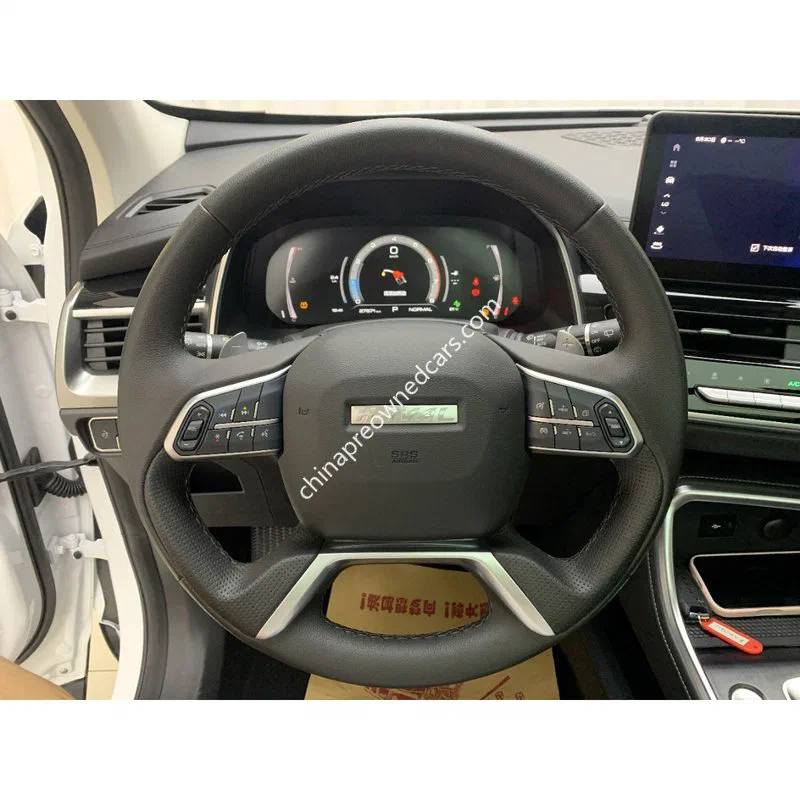
A practical condition assessment separates cosmetic appearance from mechanical health and documented history. Cosmetic grading records scratches, dents, paint differences, interior wear, glass damage and signs of previous repairs. Mechanical checks examine the engine and transmission on combustion vehicles, suspension, steering, brakes, cooling systems and diagnostic fault codes. For the BYD Atto 3, battery diagnostics and charging functions require separate attention. Hybrid models also need checks of both the combustion system and the high-voltage components.
Mileage should be assessed in context rather than treated as a standalone quality score. Buyers can group vehicles into low, medium and high mileage bands for comparison, but there is no universal mileage threshold that establishes good condition. Odometer readings should be compared with service invoices, inspection records, available electronic data and wear on the steering wheel, pedals and seats. A mismatch warrants investigation. Service history provides evidence of maintenance, but missing records do not automatically prove neglect, just as a complete folder does not guarantee mechanical health. Terms such as export-grade and dealer-grade have no single universal definition. The exporter should specify the grading criteria and provide supporting evidence.
Inspection evidence and customs documentation
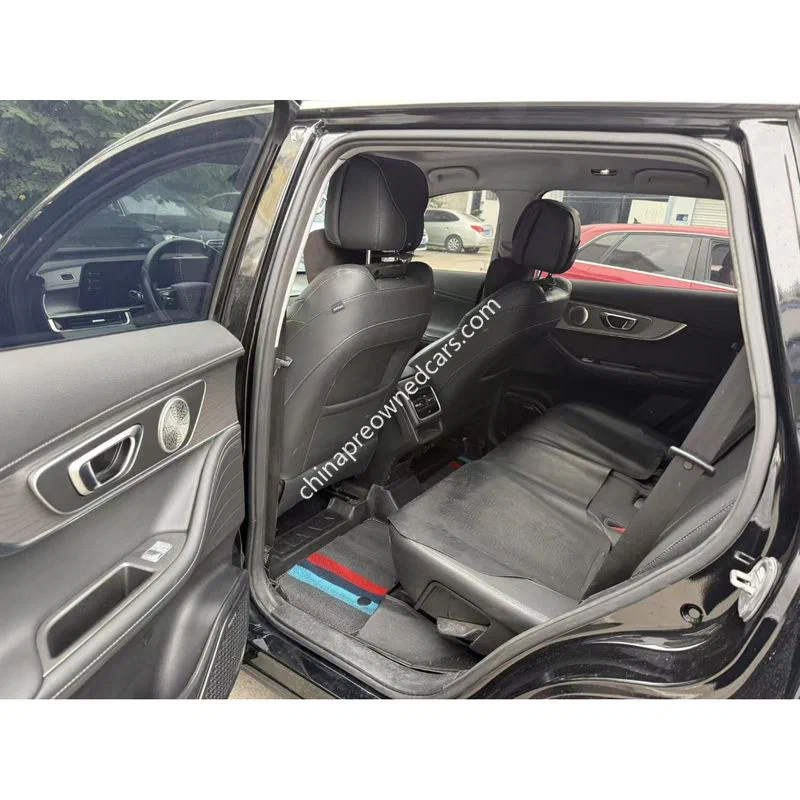
A pre-shipment inspection can document visible damage, tyre condition, dashboard warnings, diagnostic results, equipment operation and vehicle identification details. Buyers should request dated photographs, a VIN record, the inspection checklist and available service documents before approving a purchase. An inspection is a snapshot, not a guarantee. It may not reveal intermittent faults, hidden accident damage, internal engine wear or future battery degradation. For electric vehicles, ask for battery state-of-health results, the test method, charging performance and any available battery repair history. Confirm that the VIN on the vehicle matches the export paperwork.

Condition evidence also supports customs valuation. Import duties and taxes commonly depend on a customs valuation basis such as CIF, which represents cost, insurance and freight, alongside the destination country’s applicable tariff rules. Some markets apply age-related valuation adjustments or additional charges, but the method and current rules vary. A low invoice value does not ensure a lower final assessment: customs authorities may question values that appear inconsistent with comparable vehicles or supporting documents. Buyers should retain the purchase invoice, payment evidence, transport and insurance costs, and any inspection or valuation records. Accurate documents reduce avoidable disputes; they do not prevent customs authorities from reassessing a declaration.
For Nigeria, import processing may involve Form M and a Pre-Arrival Assessment Report (PAAR), subject to current procedures and the importer’s transaction requirements. A certificate of origin may also be requested, depending on the applicable rules and documentation route. The clearing agent coordinates declarations, tariff classification, valuation support and payment of assessed charges. The agent should verify the latest requirements before shipment rather than rely on an old checklist. Incomplete paperwork, inconsistent VIN details, disputed values, missing approvals or inspection issues can delay release and increase port storage costs. Buyers importing into Ghana, Kenya, Uganda or Tanzania must confirm their own current requirements, including vehicle age restrictions, emissions rules and left-hand-drive eligibility. Most Chinese domestic vehicles are left-hand drive, so compatibility must be checked before purchase. Shipping may use RoRo or container transport, but the chosen method does not remove customs obligations. Agree on document responsibilities and payment milestones in writing, and obtain copies of the final export and shipping records.

FAQ
Q: Does low mileage prove that a used vehicle is in good condition?
A: No. Mileage must be checked against service records, wear, diagnostic results and inspection findings. A low reading alone cannot establish the vehicle’s mechanical condition.
Q: Can customs reject the declared value of an imported used car?
A: Yes. Customs authorities may request supporting evidence or reassess a value that appears inconsistent with their valuation rules. Keep the invoice, payment records and freight and insurance documents available.
DESCRIPTION:: Learn how vehicle condition, mileage and service records affect used-car valuation, customs declarations and import clearance for African markets.