A used car can look profitable when you compare the purchase price in China with the expected selling price in Africa, but many importers lose money before the vehicle reaches the customer. The real cost is created by shipping, customs, duty, port charges and the actual condition of the vehicle after arrival.
The gap between purchase price and landed cost
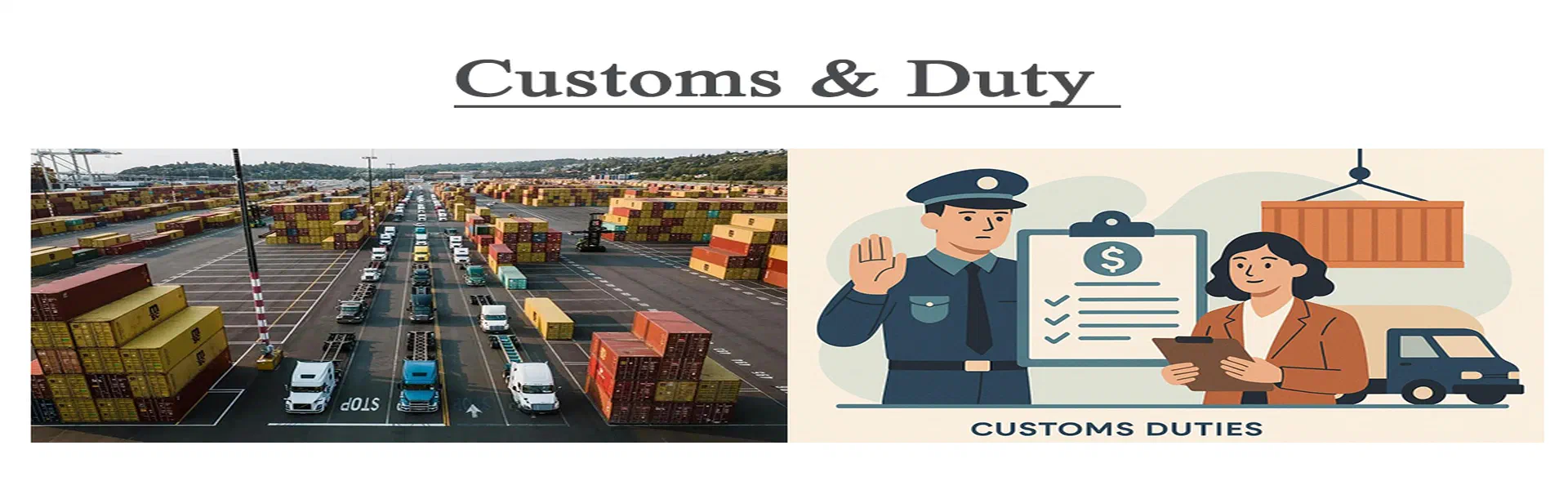
A low FOB vehicle price does not always mean a good deal. Importers in Ghana, Nigeria and North Africa need to calculate the full landed cost before confirming a purchase. This includes the vehicle price, export preparation, freight, marine insurance if applicable, customs valuation, import duty, port handling, clearance fees and local transportation.
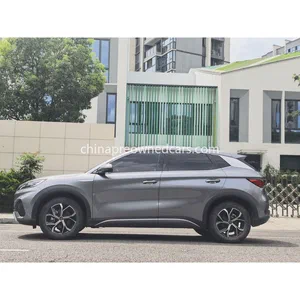
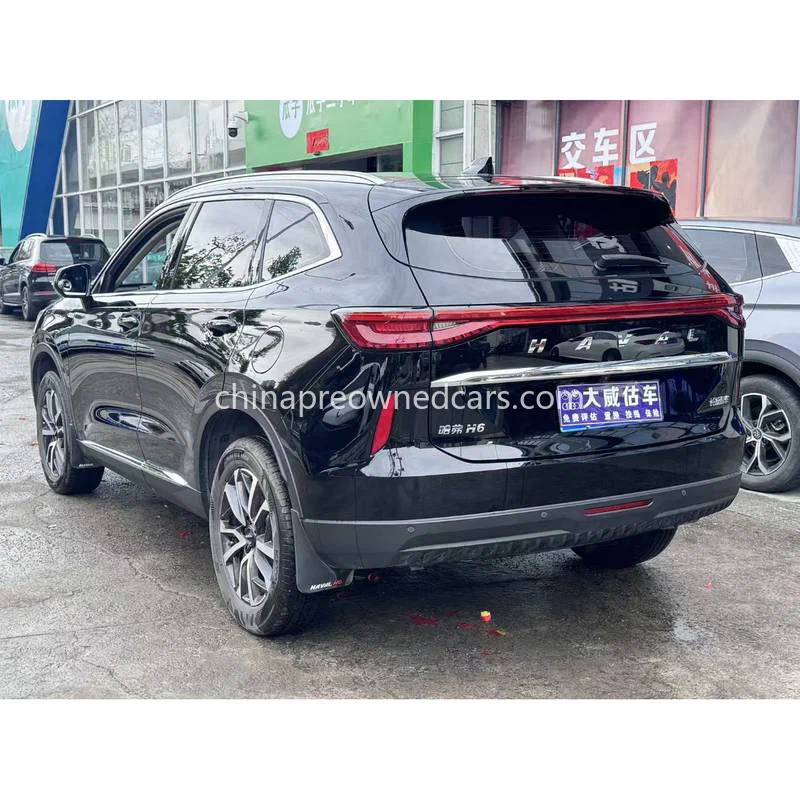
For example, a left-hand-drive SUV bought at an attractive price in China may become expensive if shipping rates increase, duty calculations are higher than expected, or the vehicle requires repairs after arrival. Dealers who focus only on the online listing price often underestimate these costs and reduce their resale margin.
Vehicle condition changes the final value
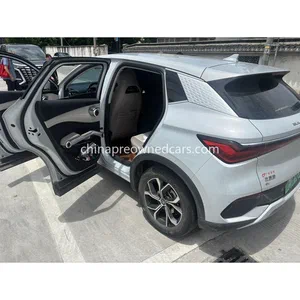
The condition of a used car at the port can be very different from what buyers expect from photos and basic descriptions. A vehicle with hidden accident repairs, poor service history, excessive mileage or battery issues can create unexpected expenses after import.
Before buying, importers should request detailed inspection information, including exterior condition, engine and transmission performance, interior wear, tire condition, maintenance records and any previous damage. For electric vehicles and hybrids, battery health should also be checked because replacement costs can significantly affect profitability.

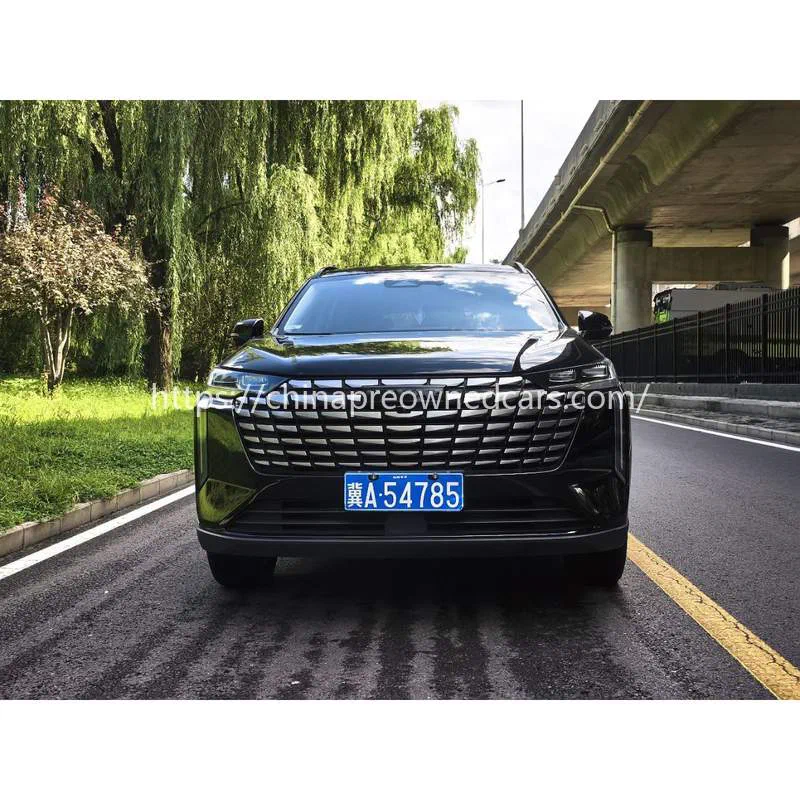
China exports many left-hand-drive vehicles suitable for markets that require LHD models, but the right specification still matters. Ground clearance, fuel economy, spare parts availability and local customer demand all influence resale value after customs clearance.
How experienced importers protect their margins
Successful dealers treat every purchase as a total cost of ownership calculation rather than a simple price comparison. They compare different suppliers, confirm vehicle documents, choose suitable shipping methods and understand local import regulations before payment.
Working with a reliable exporter also reduces risk. A professional supplier should provide clear vehicle details, inspection support, accurate documentation and agreed Incoterms. This helps prevent disputes over vehicle condition, shipping responsibility and unexpected charges at the destination port.
For buyers importing into West Africa and North Africa, profit is usually decided before the vessel leaves China. A vehicle that appears cheap on paper may become expensive at the port, while a properly inspected vehicle with predictable costs can deliver stronger resale performance.
FAQ
Q: Why is the cheapest used car from China not always the best choice? A: The lowest purchase price may hide higher shipping, duty, repair and clearance costs. Importers should compare the complete landed cost before buying.
Q: What should I check before importing a used car from China? A: Check inspection reports, mileage, service history, vehicle condition, documents and whether the left-hand-drive specification matches your market.
Q: How can dealers reduce losses after a vehicle arrives at the port? A: Use accurate cost calculations, reliable suppliers and pre-shipment inspections to avoid unexpected repair and clearance expenses.