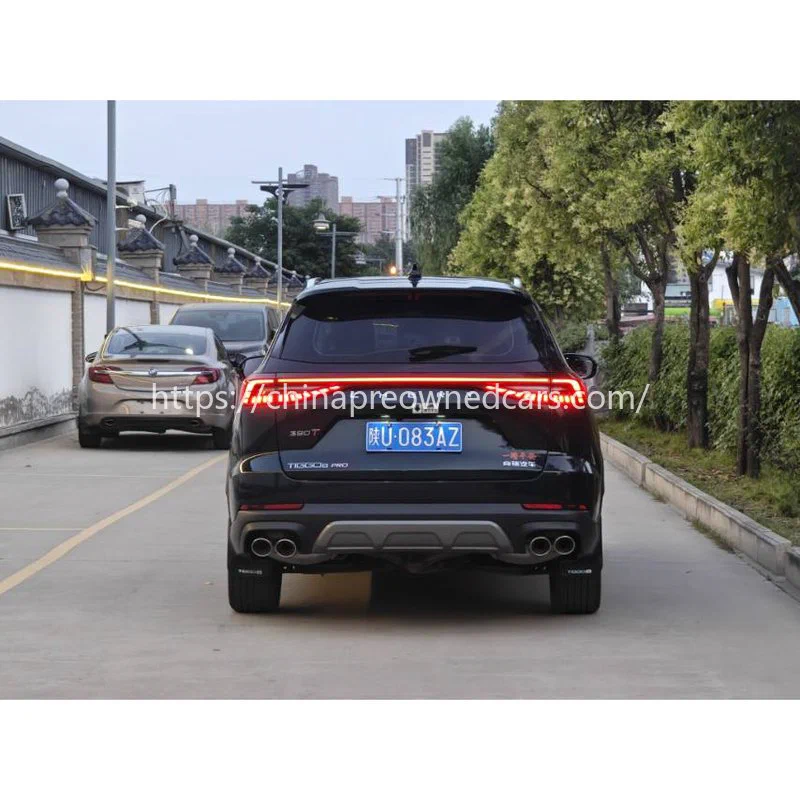
Used electric and hybrid vehicle export costs depend on more than the purchase price in China. Battery condition, charging compatibility, customs valuation and destination import rules all affect the final landed cost and resale prospects. For buyers importing into Ghana, Nigeria, Kenya, Uganda or Tanzania, these factors should be assessed before a vehicle is selected and shipped.
How Used EV Prices Affect Customs Value
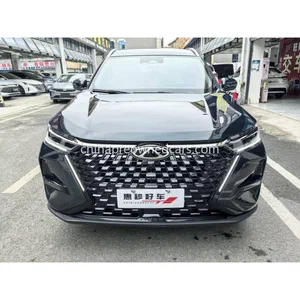
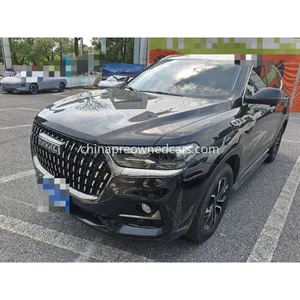
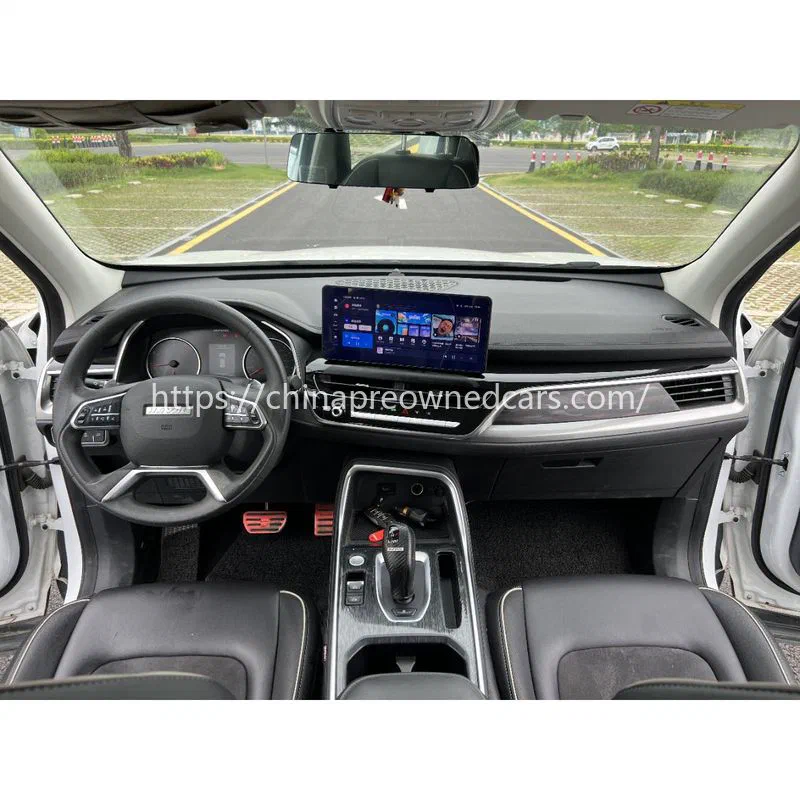
The used cars prices trend can influence sourcing decisions, but a lower purchase price does not automatically mean a lower import cost. Electric vehicles lose value at different rates depending on battery condition, model demand, available charging facilities and access to replacement parts. A used BYD Atto 3, for example, needs to be assessed on its remaining usable battery capacity as well as its age and recorded mileage. Hybrid SUVs such as the Chery Tiggo 7 Plus and Haval H6 also require checks of their combustion engine, hybrid system and associated battery components where applicable.
Customs valuation is a separate calculation from the vehicle’s advertised or negotiated price. Many import systems use a cost, insurance and freight (CIF) basis, which combines the accepted customs value of the vehicle with applicable freight and insurance costs. Duties and taxes may then depend on vehicle classification, powertrain, customs valuation and destination-specific rules. Some markets also apply age-related penalties or additional charges. Importers should obtain a current landed-cost estimate from a licensed clearing agent rather than applying a generic duty percentage to the purchase price.
Battery Condition, Charging and Resale Value
Battery state of health (SOH) is a key factor when evaluating a used electric SUV. SOH estimates the battery’s remaining capacity relative to its original condition, but the displayed figure alone is not enough. Buyers should request a diagnostic report, confirm the test method, review battery fault codes and compare reported capacity with the manufacturer’s specifications. Charging history, unusual cell-voltage differences, temperature-related warnings and evidence of previous battery repairs can help identify risks. A pre-shipment inspection should document its findings, but it cannot guarantee future battery performance.
Range affects both operating costs and resale demand. A vehicle with reduced battery capacity may still suit urban travel, yet prove less practical for intercity journeys where charging points are sparse. Advertised driving range is generally based on test conditions and should not be treated as a guaranteed real-world distance. Buyers should estimate usable range under local temperatures, road conditions, passenger loads and air-conditioning use. A lower purchase price may be offset by weaker resale demand or an expensive battery repair, so battery condition should inform the negotiated value.
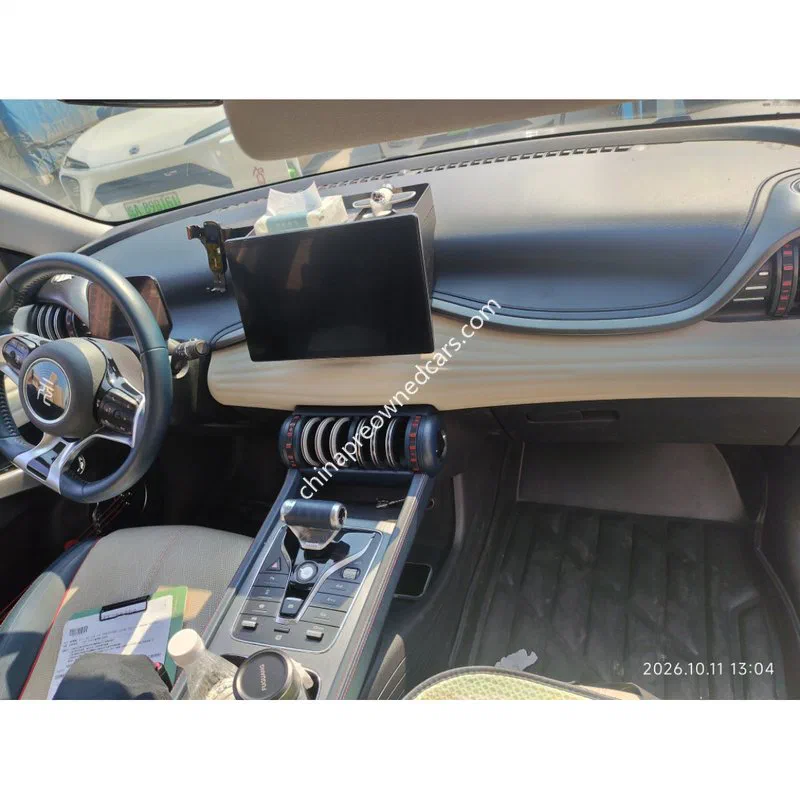
Charging compatibility matters just as much. Chinese-market vehicles may use GB/T connectors, while CCS and CHAdeMO are separate charging standards found in different vehicle and charging networks. Acceptance depends on the vehicle’s exact charging configuration and the infrastructure available at its destination; no single connector can be assumed suitable across all five target markets. Before purchasing, confirm the AC and DC charging interfaces, onboard charger specifications, supported charging power and availability of compatible public or private chargers. An adapter should not be assumed to resolve every incompatibility, particularly for DC fast charging.
Customs Documents and Shipping Requirements
Import procedures differ by destination. Nigeria’s process may involve Form M and a Pre-Arrival Assessment Report (PAAR), alongside the required shipping and commercial documents. Importers should confirm the current process with their bank, customs authorities and clearing agent before shipment. Ghana, Kenya, Uganda and Tanzania have their own declaration procedures, valuation practices and documentation requirements. A certificate of origin may be requested to establish where a vehicle originates, but it does not automatically qualify the shipment for preferential duty treatment. The commercial invoice, export declaration, bill of lading and supporting inspection records should agree on the vehicle’s identity and declared transaction details.
Used vehicles exported from China require the applicable export licensing, customs declaration and pre-shipment inspection procedures. Buyers should verify the VIN against the vehicle, invoice, inspection records and shipping documents. Discrepancies in the model description, vehicle classification, declared value or ownership documentation can trigger additional checks. Customs may also question a declared price that appears inconsistent with its valuation references. The clearing agent should explain the evidence needed to support the transaction value and identify any additional charges before clearance begins. Missing documents, incomplete declarations, inspection issues and delayed payment of assessed duties can all hold up release.

Shipping method and battery transport rules need early attention. RoRo shipping is generally suitable for vehicles that can be driven or handled under the carrier’s operating requirements, while container shipping may offer more protection and different loading arrangements. Neither method removes the need to comply with carrier rules for vehicles containing lithium-ion batteries. UN 3480 applies to lithium-ion batteries shipped on their own; batteries contained in or packed with equipment are classified differently under the applicable dangerous-goods rules. The carrier and freight forwarder must determine the correct classification, documentation and handling requirements for the actual shipment. Battery damage or an undeclared hazardous condition can lead to refusal, extra costs or delay.
Before committing funds, buyers should compare the full landed cost with realistic local resale prospects. Confirm the destination’s current vehicle-age restrictions, emissions requirements, roadworthiness rules and left-hand-drive acceptance. Most Chinese domestic vehicles are left-hand drive, so compatibility must be checked rather than assumed. Request the inspection scope, battery diagnostic evidence, payment milestones, shipping arrangements and responsibility for port charges in writing. A clear allocation of responsibilities between exporter, freight forwarder and destination clearing agent reduces the risk of unexpected expenses after the vehicle leaves China.
FAQ
Q: How is customs duty calculated for a used electric vehicle imported from China?
A: Customs authorities generally assess the declared or accepted customs value under the destination’s valuation rules, often using a CIF basis, before applying the relevant duties and taxes. The final amount depends on local classification, valuation adjustments and any applicable age-related charges.
Q: What should buyers verify before importing a used electric SUV into Nigeria?
A: Confirm the current Form M and PAAR procedures, applicable import rules, customs valuation requirements and shipping documents with the relevant authorities and clearing agent. Also check battery state of health, charging compatibility, left-hand-drive acceptance and the complete landed cost before payment and shipment.