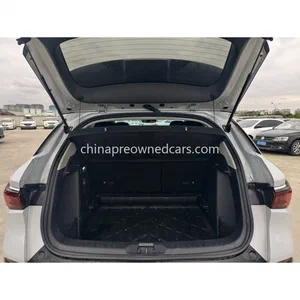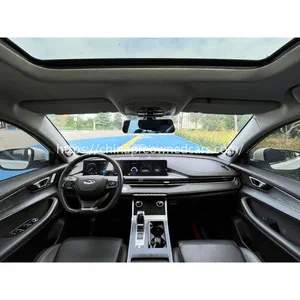

Used vehicle condition grading provides a starting point for assessing purchase risk, but it does not replace an independent inspection or documentary checks. For overseas buyers importing Chinese SUVs into Ghana, Nigeria, Kenya, Uganda and Tanzania, vehicle condition also affects customs valuation, insurance and the cost of preparing a vehicle for road use. Understanding how mileage, service history and inspection findings relate to import documentation helps buyers assess the complete transaction.
Understanding Used Vehicle Grades and Mileage

Used vehicle grades generally describe exterior appearance, interior wear and mechanical condition. However, grading systems are not universal. A grade assigned by one auction house or supplier may not mean the same thing as a grade used by another. Buyers should request the grading criteria and the inspection sheet rather than relying on a single letter or number.
Cosmetic grading usually considers paint condition, dents, scratches, glass, lights, seats and dashboard wear. Mechanical assessment covers the engine, transmission, suspension, steering, braking system and electrical components. A vehicle with minor paint damage may still be mechanically sound, while a clean-looking SUV may have underlying faults. These categories should be recorded separately.
Mileage provides another useful reference, but it needs context. A lower odometer reading does not automatically indicate better condition. Buyers should compare recorded mileage with service invoices, inspection records, tyre wear, steering wheel condition and seat deterioration. Inconsistent readings or unexplained gaps in the service timeline require further investigation. For electric vehicles such as the BYD Atto 3, battery state of health is also relevant because odometer mileage alone cannot describe battery capacity or degradation.
The best used cars to buy under 7000 depend on the destination market, vehicle specification, condition and total import cost. The purchase price is only one component. Shipping, insurance, customs duty, clearance charges and any necessary repairs can materially change the final landed cost. Buyers comparing Chinese SUVs should assess the complete cost rather than selecting a vehicle solely because its advertised price falls within a particular budget.
Inspection Evidence and Export-Grade Standards
An export-grade or dealer-grade description should refer to an identifiable assessment process, not an informal assurance that a vehicle is in good condition. A useful inspection report records the vehicle identification number (VIN), odometer reading, visible damage, mechanical findings and any outstanding defects. Photographs should show the exterior, cabin, instrument panel, tyres and relevant areas of the engine compartment. For electric and hybrid vehicles, the report should also identify the battery assessment method and available diagnostic results.
Pre-shipment inspection can identify many issues, but it has limits. A visual inspection cannot establish every internal mechanical condition, predict future component failure or independently prove the complete accident history. Diagnostic equipment can reveal stored fault codes, but cleared codes and intermittent faults may require additional investigation. A battery health report is only meaningful when its measurement method, test conditions and results are disclosed. Buyers should distinguish between a recorded test result and a guarantee of future performance.
Before approving a vehicle, buyers should request:
- VIN photographs and a comparison with the vehicle identification documents.
- Odometer photographs and available service records.
- Inspection reports identifying defects and repairs.
- Engine or transmission diagnostic findings, where applicable.
- EV battery state-of-health results and charging-system checks.
- Photographs of accident repairs, corrosion and underbody damage.
Red flags include inconsistent VIN details, unexplained mileage discrepancies, evidence of structural repairs, warning lights, fluid leaks and missing ownership or service documents. For the Chery Tiggo 7 Plus, Chery Tiggo 8 Pro, Geely Coolray and Haval H6, the inspection should reflect the actual engine and transmission configuration rather than relying on a generic SUV checklist.
Customs Valuation, Import Documents and Clearance
Vehicle condition can affect customs valuation, particularly when the declared transaction value differs from the value accepted by the destination customs authority. Many import calculations use a CIF basis: cost of the vehicle, insurance and freight to the relevant destination port. Applicable duty and taxes are then determined under the destination country’s tariff and valuation rules. Additional charges may apply, depending on the vehicle classification and local regulations.
Age-related restrictions or additional charges can also affect the final assessment. Some markets apply age-based penalties, depreciation adjustments or restrictions on older vehicles. These rules are not interchangeable between Ghana, Nigeria, Kenya, Uganda and Tanzania. Importers should confirm the current requirements before paying a supplier or arranging shipment. The applicable treatment of electric and hybrid vehicles may also differ from that of conventional petrol or diesel vehicles.
For Nigeria, import clearance commonly involves Form M and the Pre-Arrival Assessment Report (PAAR). Form M is part of the import documentation process, while PAAR supports customs assessment before clearance. Requirements and procedures should be checked with the relevant Nigerian authorities and the appointed clearing agent. Other destination markets have their own declaration and assessment procedures.
A typical export documentation file may include:
- Commercial invoice showing the agreed transaction value.
- Packing list where required by the shipping arrangement.
- Bill of lading issued for the shipment.
- Certificate of origin where required or applicable.
- Export customs declaration and supporting export documents.
- Vehicle registration, ownership or deregistration documents as applicable.
- Pre-shipment inspection records and destination-specific import approvals.
Chinese used vehicle exports also require the appropriate export licensing, customs declaration and pre-shipment inspection. The exporter should ensure that vehicle details remain consistent across the invoice, export declaration, inspection records and shipping documents. Even a minor VIN discrepancy can create clearance problems.
Customs valuation disputes are another potential source of delay. If an authority considers the declared value inconsistent with its valuation criteria, it may request additional evidence or reassess the shipment. A buyer should retain the purchase agreement, payment records, invoice and supporting vehicle information. A clearing agent can explain local valuation procedures, submit declarations and respond to customs queries, but cannot guarantee acceptance of a disputed value.
The shipping method matters as well. Roll-on/roll-off (RoRo) services carry vehicles aboard a specialised vessel, while container shipping places vehicles inside a shipping container. The choice affects handling arrangements, freight charges and documentation. Missing paperwork, incomplete import approvals, inspection discrepancies, port congestion and valuation reviews can all delay release. Buyers should confirm the expected shipping schedule and clearance responsibilities before the vehicle leaves China.
FAQ
Q: Does a higher used vehicle grade guarantee better mechanical condition?
A: No. Grades vary between suppliers and inspection systems. Buyers should review the underlying inspection report, diagnostic findings and service records before making a purchase decision.
Q: Can a used vehicle’s condition reduce customs duty in Nigeria?
A: Not automatically. Customs valuation follows the applicable Nigerian assessment rules, and a lower declared purchase price does not guarantee a lower customs assessment. Buyers should retain transaction evidence and consult a qualified clearing agent about current valuation procedures.