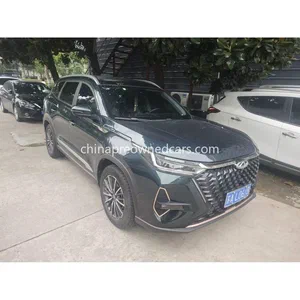
Exporting second-hand automatic cars from China involves a detailed process that ensures compliance with various regulations and standards. This article outlines the critical stages of the export workflow, including pre-shipment inspection, documentation requirements, shipping methods, customs clearance, and typical lead times. Understanding these steps is essential for successful transactions in international markets such as Africa, the Middle East, and South America.
Pre-Shipment Inspection
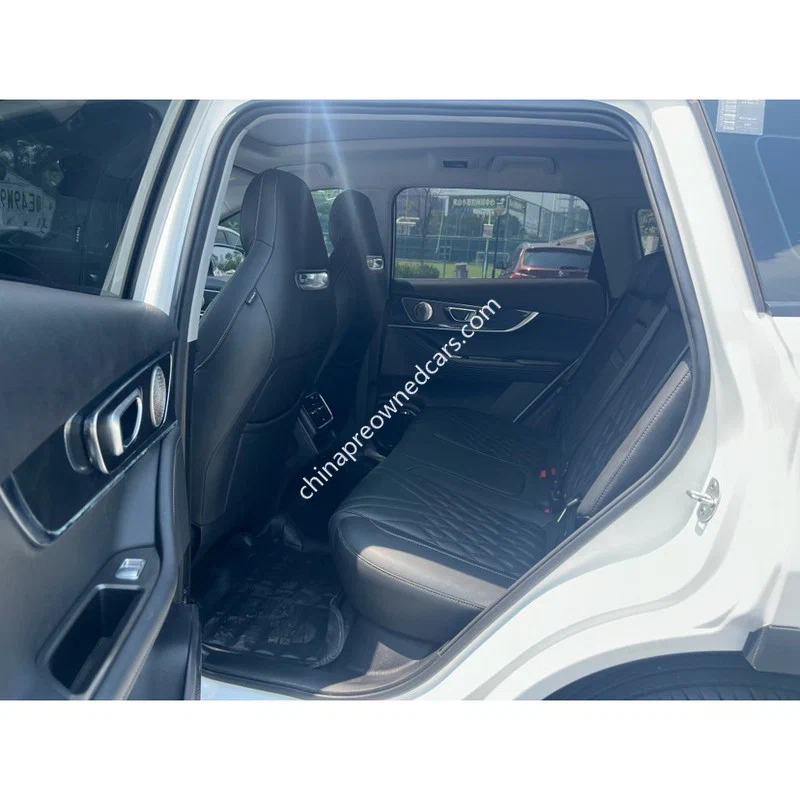
Before exporting any vehicle, a pre-shipment inspection is necessary to assess its condition. This inspection typically covers the vehicle’s mechanical components, exterior and interior state, and overall functionality. Inspectors verify essential features, including the engine, transmission, and braking systems. Certification of this inspection is crucial, as it assures buyers that the vehicle meets the required standards for export. Depending on the destination country’s regulations, additional checks related to emissions and safety standards may also be performed.
Export Documentation
Proper documentation is vital for the successful clearance of vehicles through customs. Key documents include the customs declaration, bill of lading, certificate of origin, and any relevant inspection certificates. The customs declaration must accurately reflect the vehicle’s specifications and value to facilitate correct duty calculations. A bill of lading serves as proof of transport and is essential for the shipping process. The certificate of origin confirms the vehicle’s manufacturing details and is often required by importing countries to determine tariffs and compliance with local regulations.

Shipping Methods: RoRo vs. Container
Shipping methods for exporting second-hand automatic cars generally fall into two categories: Roll-on/Roll-off (RoRo) and container shipping. RoRo is often preferred for its cost-effectiveness and efficiency; vehicles are driven directly onto the shipping vessel. However, this method carries a higher risk of damage during transit. Container shipping, while more expensive, provides better protection for vehicles and is ideal for high-value models or those requiring additional security. The choice between these methods depends on the vehicle’s value, the destination market’s infrastructure, and the buyer’s preferences.
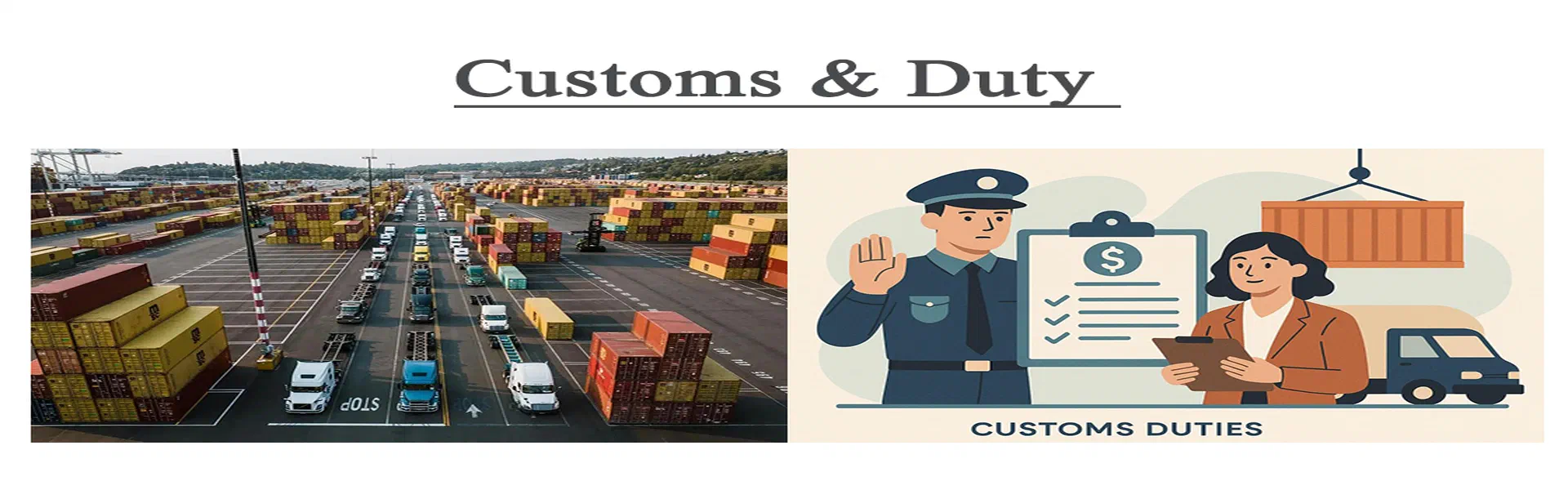
Customs Clearance and Duty Calculation
Customs clearance is a critical phase in the export process. Duties are typically calculated on a Cost, Insurance, and Freight (CIF) basis, considering the vehicle’s purchase price, shipping costs, and insurance. Import regulations may impose age penalties that affect the final duty amount, especially for older vehicles. It is essential to prepare and submit documents such as Form M, PAAR, and the certificate of origin to avoid delays. Valuation disputes can arise if customs authorities disagree with the declared value, making accurate documentation vital.
Role of Clearing Agents
Clearing agents facilitate the customs clearance process and can significantly impact the efficiency of vehicle exports. They handle the necessary paperwork, navigation of customs requirements, and coordination with customs officials. Working with a reputable clearing agent can help mitigate potential delays caused by incomplete documentation or compliance issues. They also provide guidance on the specific customs regulations applicable to the destination market, ensuring that all requirements are met.
Shipping Lead Times
Typical lead times for shipping vehicles from China vary based on the selected shipping method and destination. For RoRo services, transit times usually range from 15 to 25 days, while container shipments may take longer due to loading and unloading processes at ports. Factors such as seasonal demand, port congestion, and logistical challenges can also affect these timelines. Buyers should account for these variables when planning their purchases and shipments.
After-Sales Support
Post-export support is essential for maintaining customer satisfaction and ensuring long-term relationships. Buyers should inquire about after-sales services, including assistance with registration, spare parts availability, and warranty options. Providing reliable after-sales support can enhance the buyer’s experience and encourage repeat business in the competitive used vehicle export market.
FAQ
Q: What should I verify before purchasing a used vehicle for export?
A: Buyers should thoroughly check the vehicle’s condition, historical maintenance records, and compliance with their destination’s import regulations.
Q: How are shipping costs determined for second-hand automatic cars?
A: Shipping costs depend on the chosen method (RoRo or container), vehicle dimensions, weight, and destination port fees.