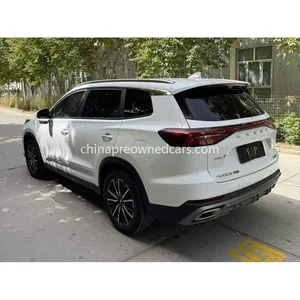
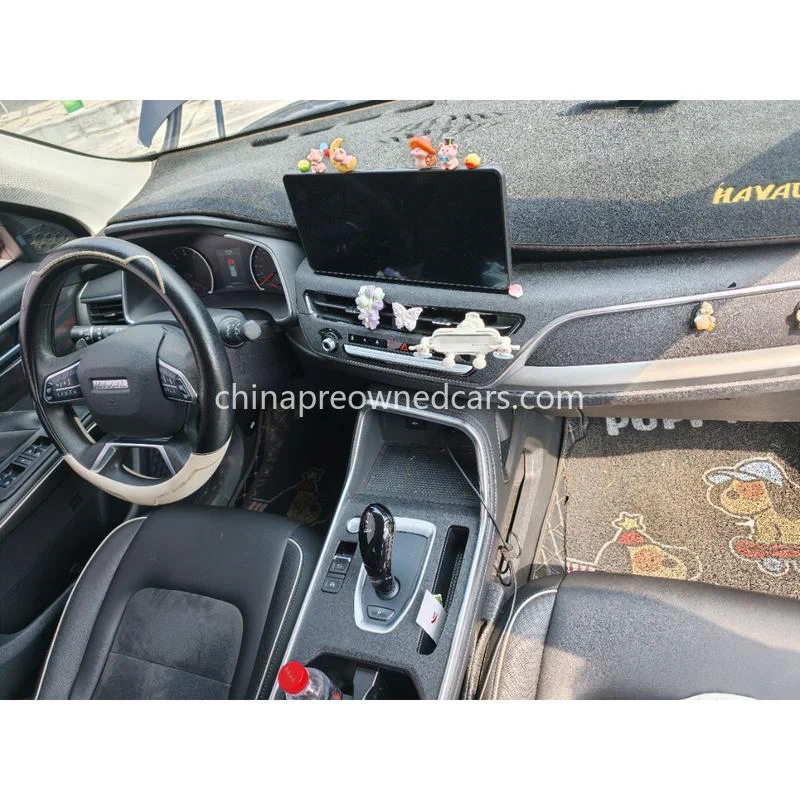
The process of exporting used vehicles from China involves several key steps that ensure compliance with international regulations and facilitate smooth transactions. This article outlines the workflow of exporting Chinese-brand electric and hybrid SUVs, such as the BYD Atto 3 and Chery Tiggo 8 Pro, while covering essential elements like pre-shipment inspection, export documentation, shipping methods, and customs clearance.
Pre-shipment inspection is a critical stage in the export process. This involves a thorough assessment of the vehicle’s condition, including checks on the engine, transmission, brakes, and overall functionality. Certification from recognized inspection agencies is typically required to verify these checks. Buyers should ensure that the inspection report details the vehicle’s condition and any repairs made prior to shipping. This documentation not only facilitates the export process but also provides assurance to buyers regarding the vehicle’s state.
Export documentation is another fundamental aspect of the export workflow. The necessary documents include the customs declaration, bill of lading, and certificate of origin. The customs declaration must accurately reflect the vehicle’s details, including its make, model, and year of manufacture. The bill of lading serves as a contract between the exporter and the shipping company, while the certificate of origin proves the vehicle’s country of manufacture. Buyers should confirm that all documentation is complete and accurate to avoid delays during customs clearance at the destination port.
When it comes to shipping methods, exporters can choose between Roll-on/Roll-off (RoRo) and container shipping. RoRo is often more cost-effective and allows vehicles to be driven directly onto the vessel. However, it may expose vehicles to environmental factors during transit. Container shipping, while usually more expensive, offers better protection against potential damage. The choice between these methods depends on factors such as budget, destination, and the specific vehicle’s condition. Buyers should weigh the costs and benefits of each method before deciding.
Port handling is an important consideration once the vehicles arrive at the destination port. Proper handling is crucial to prevent damage during unloading and transport to the customs office. Exporters often collaborate with local agents who are familiar with the port’s procedures. This collaboration can streamline the process, ensuring that vehicles are quickly processed and ready for delivery to buyers.
Typical lead times for shipping can vary significantly based on the chosen method and destination. Generally, RoRo shipments may take a few weeks, while container shipments might require additional time for loading and unloading. Buyers should inquire about estimated transit times and factor this into their planning. Understanding these timelines helps manage expectations regarding when the vehicles will arrive at the port and be ready for collection.
Customs clearance can be complex, involving the calculation of duties based on the cost, insurance, and freight (CIF) value of the vehicle. Buyers should be aware that age penalties may apply, which can increase the duty payable based on the vehicle’s age. Required documentation for customs clearance often includes Form M, the Pre-Arrival Assessment Report (PAAR), and the certificate of origin. Buyers may face valuation disputes, and having accurate documentation can help mitigate these issues. Engaging a clearing agent can also facilitate the customs process and reduce the likelihood of delays.

Delays in the shipment process can arise from various factors, including incomplete documentation, discrepancies in vehicle details, or issues during customs clearance. Buyers should ensure that all paperwork is prepared in advance and verify that it matches the vehicle’s specifications. Additionally, clear communication with the exporter and the customs agent can help identify potential issues early, minimizing the risk of delays.
FAQ
Q: What is the role of pre-shipment inspection in the export process?
A: Pre-shipment inspection ensures that vehicles meet specified quality standards and provides certification of their condition before shipping.
Q: How is duty calculated during customs clearance?
A: Duty is typically calculated based on the CIF value of the vehicle, and additional age penalties may apply depending on the vehicle’s age.