Shipping a used vehicle from China involves more than arranging ocean freight. Buyers need to understand how pre-shipment inspection, export documentation, customs valuation, import duties and destination-port clearance fit together. Each stage affects the final landed cost and the time required before a vehicle can be collected.
1. Pre-Shipment Inspection and Export Preparation
The export process begins with vehicle selection and a condition assessment in China. For buyers comparing small second hand cars for sale, inspection should take place before the purchase is finalized and shipping arrangements are confirmed. The exporter should verify the vehicle identification number (VIN), registration records, ownership documents and available service history. These checks help establish whether the vehicle details match the proposed export documents.
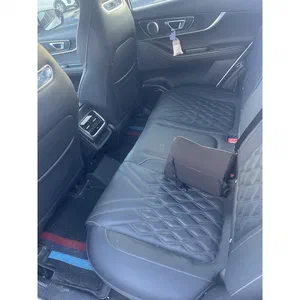
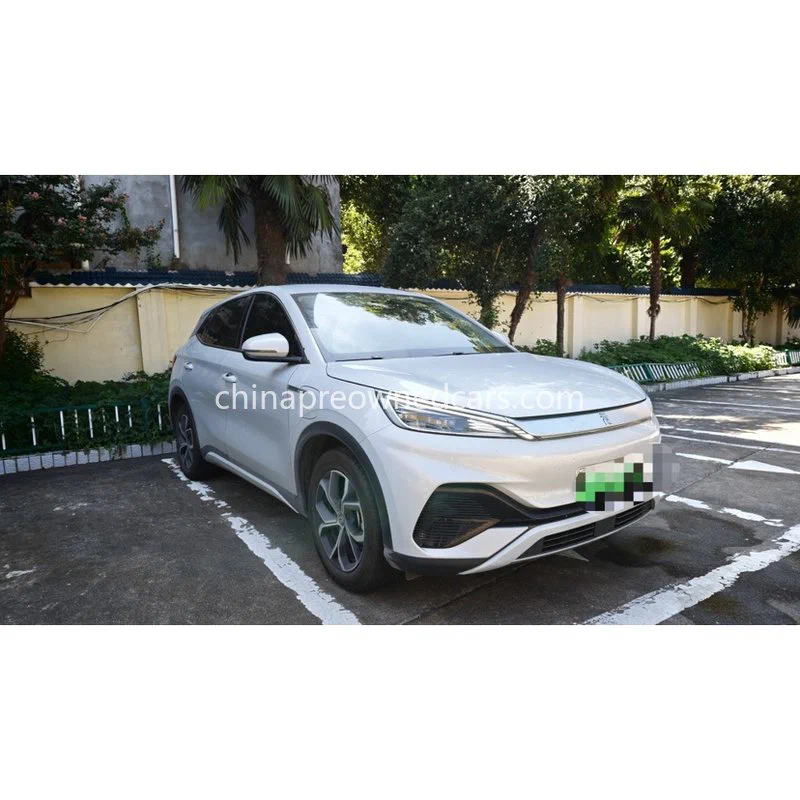
A physical inspection should cover the engine, transmission, braking system, suspension, steering, tyres, lights and body panels. Inspectors should also look for accident repairs, corrosion, paint inconsistencies and signs of water damage. For electric vehicles such as the BYD Atto 3, battery state of health, diagnostic records, charging performance and visible battery damage require separate attention. A written inspection report with dated photographs gives the overseas buyer a basis for reviewing the vehicle before shipment.
China’s used vehicle export process also requires the appropriate export licensing, customs declaration and applicable pre-shipment inspection procedures. Buyers should ask which inspection documents are required for the specific vehicle and destination. An inspection report is not automatically equivalent to a government certificate or destination-country roadworthiness approval. The exporter should clarify which documents are issued by an inspection provider and which are required by the relevant authorities.
2. Customs Valuation, Export Documents and Shipping
Customs documentation must be prepared consistently. The core export file generally includes the commercial invoice, sales contract, packing or vehicle details where applicable, export customs declaration, certificate of origin and shipping instructions. Once the carrier accepts the cargo, the bill of lading records the shipment and identifies the parties involved. The certificate of origin supports the declaration of where the vehicle was manufactured, subject to the issuing authority’s requirements.
Import duty is generally calculated using a customs valuation method defined by the destination country. CIF value is a common basis, incorporating the vehicle’s cost, insurance and freight to the relevant destination port. Additional charges may include import duty, VAT or other applicable taxes, port fees and clearance expenses. Some markets also apply age-related penalties, environmental levies or additional assessments. These charges should be checked against current regulations rather than estimated from an outdated online duty table.
Nigeria requires particular attention to import documentation. Form M is part of the import process, while the Pre-Arrival Assessment Report (PAAR) supports customs assessment before cargo clearance. Buyers should coordinate these requirements with their Nigerian bank and licensed clearing agent before shipment. The invoice value, vehicle description, VIN and supporting documents must be consistent. If customs considers the declared value inconsistent with its valuation references, reassessment can increase the payable amount or delay release.
Shipping method is another important decision. RoRo shipping is generally suitable for operational vehicles that can be driven onto and off the vessel. It usually involves less individual handling than container loading, although access to the vehicle during transit is restricted. Container shipping provides greater physical separation from other cargo and may suit vehicles requiring additional protection or consolidated shipments. However, loading, securing and unloading introduce handling risks, and container freight may cost more. The choice should reflect vehicle dimensions, shipment arrangements, insurance coverage and the buyer’s budget.
3. Port Clearance and Delivery Lead Times
After departure from China, the exporter or shipping agent provides shipment updates and the bill of lading or applicable release documentation. At the destination, the clearing agent coordinates customs entry, duty assessment, payment of applicable charges and port release. The agent also checks whether original documents, electronic submissions or additional inspection records are required. Buyers should agree in advance who handles terminal charges, customs representation, inland transport and any storage expenses.

Port delays commonly result from incomplete paperwork, inconsistent declared values, missing import approvals, unpaid duties or inspections requested by customs. Congestion and vessel schedule changes can add further waiting time. The full lead time therefore includes vehicle preparation, inspection, export clearance, vessel scheduling, ocean transit and destination processing. These stages do not follow one universal timetable. RoRo and container schedules also vary by route and carrier.
For shipments to Ghana, Nigeria, Kenya, Uganda and Tanzania, buyers should confirm current import rules before paying for a vehicle. Requirements can differ on vehicle age, emissions, left-hand-drive acceptance and roadworthiness. Most Chinese domestic vehicles are left-hand drive, so compatibility needs particular attention. The buyer should also confirm the applicable duty calculation, valuation procedure and required documents with a local clearing agent. This is especially important for electric and hybrid vehicles, where battery documentation and transport requirements may affect handling.
FAQ
Q: Is import duty calculated on the vehicle purchase price alone?
A: Not necessarily. Many customs systems use a CIF-based valuation that includes vehicle cost, insurance and freight, with additional taxes or age-related charges depending on the destination country’s current rules.
Q: What documents are needed to clear a used vehicle in Nigeria?
A: Common requirements include Form M, PAAR, the commercial invoice, bill of lading, certificate of origin and customs declaration. The importer should confirm the latest requirements with the relevant bank and licensed clearing agent before shipment.