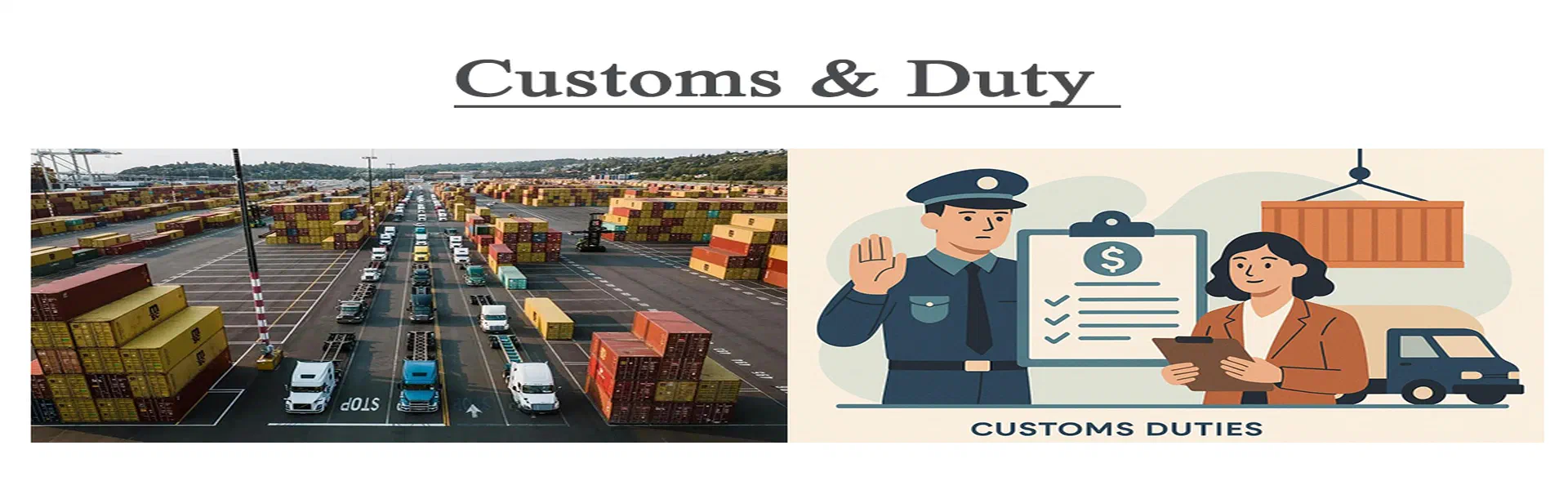
Importing secondhand cars from China to Africa involves navigating customs requirements and understanding duty costs. Buyers must account for shipping methods, vehicle conditions, and the landed costs, which are crucial for determining profitability in markets like Ghana, Nigeria, and North Africa.
Customs requirements can vary significantly across African nations, but generally, importers need to provide detailed documentation including the bill of lading, commercial invoice, and a certificate of origin. It’s essential to familiarize yourself with the specific regulations of the target country to ensure smooth processing. In Ghana and Nigeria, import duties are calculated based on the car’s CIF (Cost, Insurance, and Freight) value, with additional taxes possibly imposed depending on the vehicle type and age.
Shipping methods for used cars typically include container shipping and RoRo (Roll-on/Roll-off). Each offers distinct advantages; container shipping provides better protection for vehicles, while RoRo is often more cost-effective. Importers should weigh these options based on budget and the condition of the vehicles. Left-hand drive cars are suitable for these markets, aligning with local driving regulations.
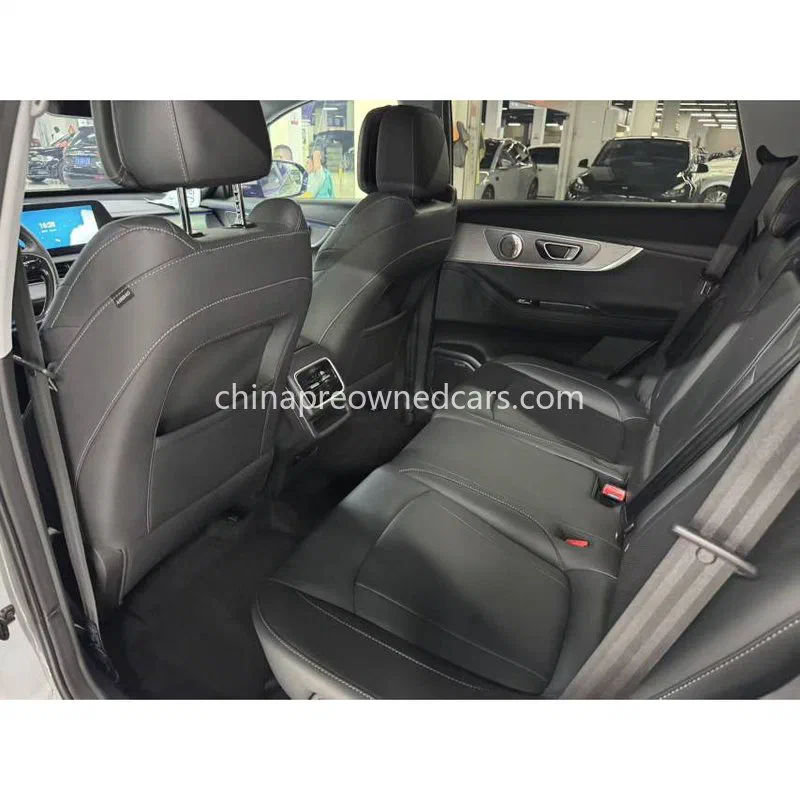
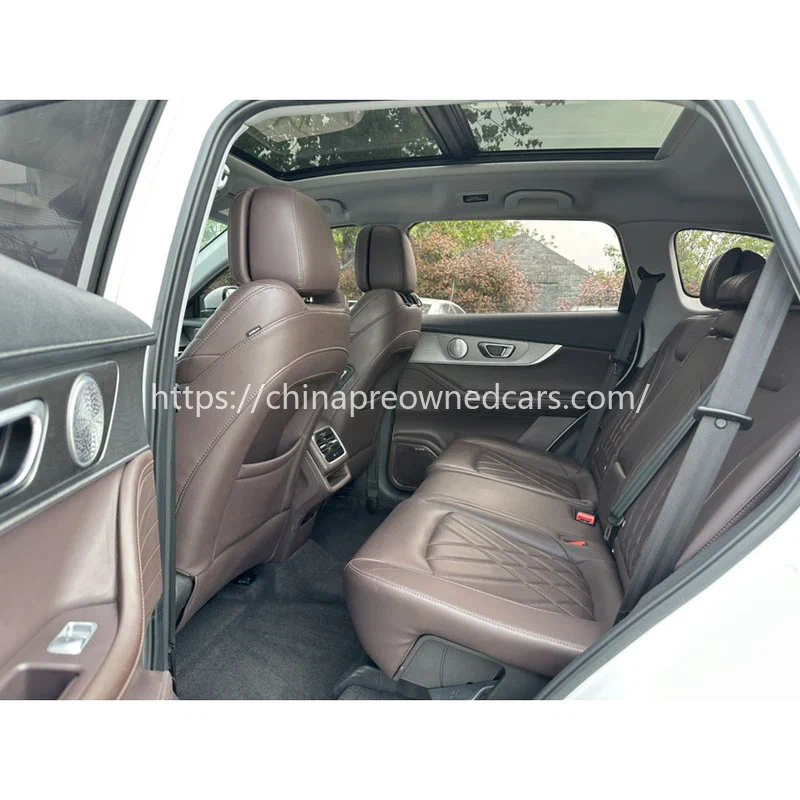
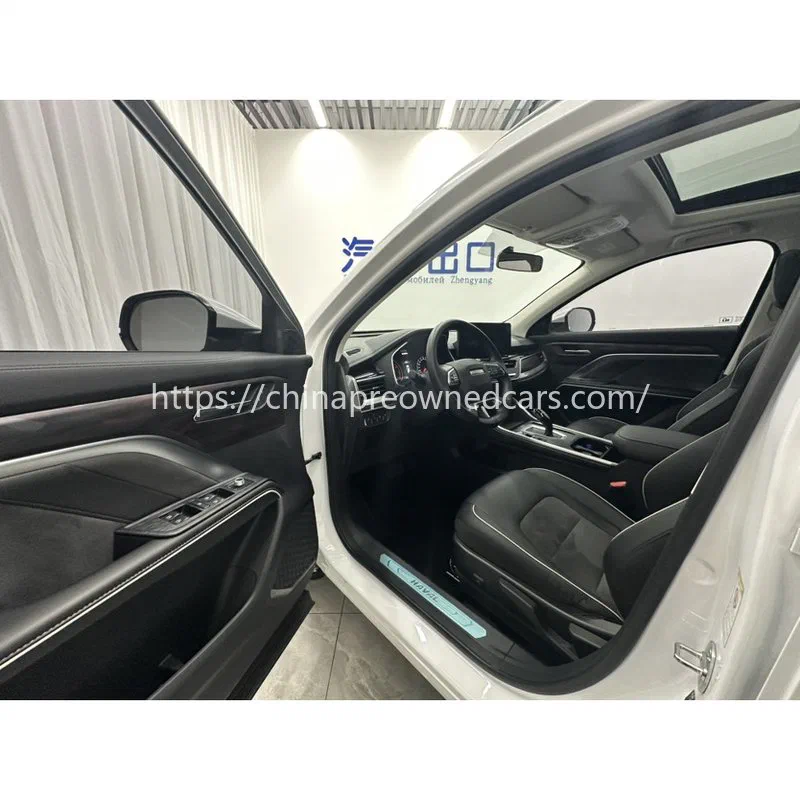
Consideration of the vehicle’s condition and inspection is crucial. Buyers should ensure thorough checks on mileage, service history, and any signs of wear and tear. This affects not only the import duty costs but also the resale value and marketability in Africa. Vehicles with documented service histories and low mileage are more desirable and can command higher resale prices.
FAQ
Q: What is the typical import duty for vehicles in Ghana? A: Import duties in Ghana can range from 5% to 20% of the CIF value, depending on the vehicle’s age and type.
Q: Is RoRo shipping suitable for all vehicle types? A: RoRo shipping is economical and generally suited for all vehicle types, but it offers less protection compared to container shipping.
Q: What documents are necessary for clearing customs in Nigeria? A: Essential documents for customs clearance in Nigeria include the bill of lading, commercial invoice, and certificate of origin.
Related Articles
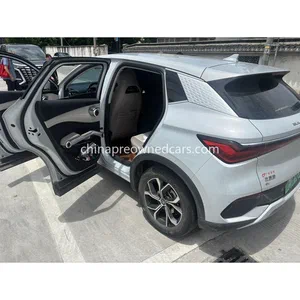 How to Select the Best Previously Owned Cars With Transparent Information
 Auto second hand vehicles import customs and duty information for Ghana Nigeria automotive markets
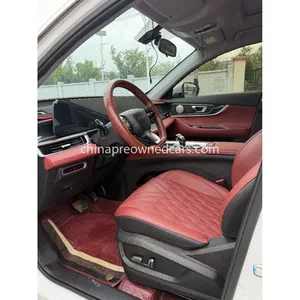 Best time of year to buy a secondhand car considering import duty and customs regulations
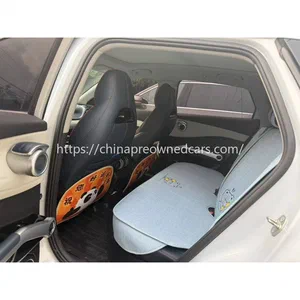 Buying a certified pre owned vehicle with customs and duty guidance for international buyers