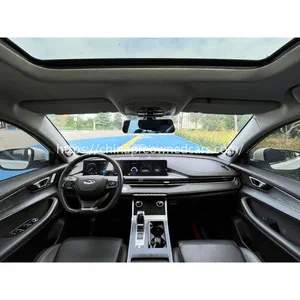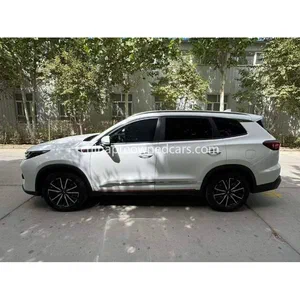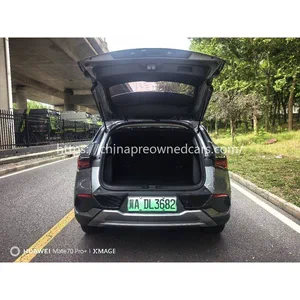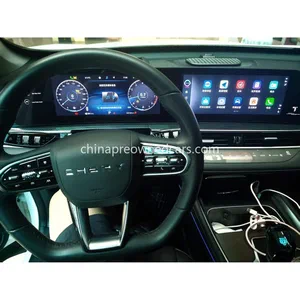
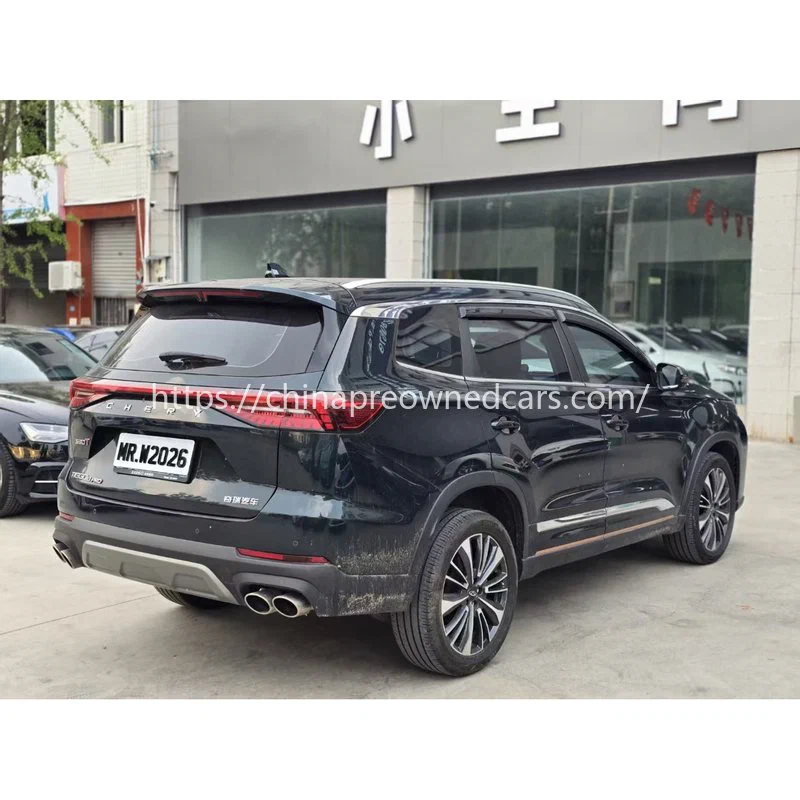
Second hand electric car sales require careful checks before an overseas purchase is confirmed. This guide explains vehicle verification, export documents, customs procedures, and common issues buyers should review before importing Chinese used vehicles.
Vehicle condition should be verified before any payment arrangement. Buyers should request mileage records, service history, accident records, maintenance details, and VIN verification information. For electric models such as BYD Atto 3, battery health is a key check because battery capacity, charging performance, and previous usage affect long-term operation. A pre-purchase inspection or pre-shipment inspection can help confirm the vehicle details against the available records.
Exporter credibility also needs review. A professional supplier should be able to explain sourcing procedures, provide inspection documents, and support export documentation. Chinese used vehicle exports require an export license, customs declaration, and pre-shipment inspection before shipment. Buyers should confirm that the exporter can provide required paperwork, including export-related documents, customs clearance records, and documents requested by the destination authority.
Customs and duty procedures vary by destination. Import costs are commonly assessed using the CIF value, which includes vehicle cost, insurance, and freight. Some markets may apply additional considerations related to vehicle age, valuation methods, or other import conditions. For destinations such as Ghana, Nigeria, Kenya, Uganda, and Tanzania, buyers should confirm current requirements with local customs authorities or a qualified clearing agent before shipping. Documents such as Form M, PAAR, certificate of origin, and commercial invoices may be required depending on the market process.
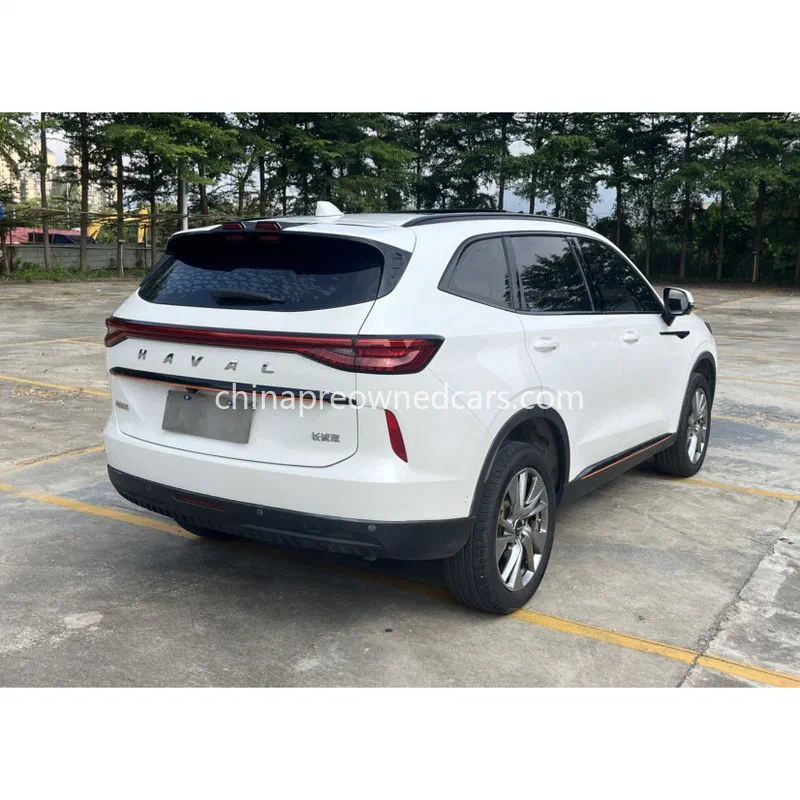

Shipping arrangements should be reviewed together with customs planning. Vehicles are commonly transported by RoRo shipping or loaded into containers, depending on route availability, vehicle type, and buyer preference. Delays often happen because of incomplete documents, customs valuation disputes, inspection issues, or incorrect preparation for local regulations. Most Chinese domestic vehicles are left-hand drive, so buyers should confirm drive-side rules before ordering. Destination markets may also have different requirements for emissions, vehicle age, and roadworthiness.
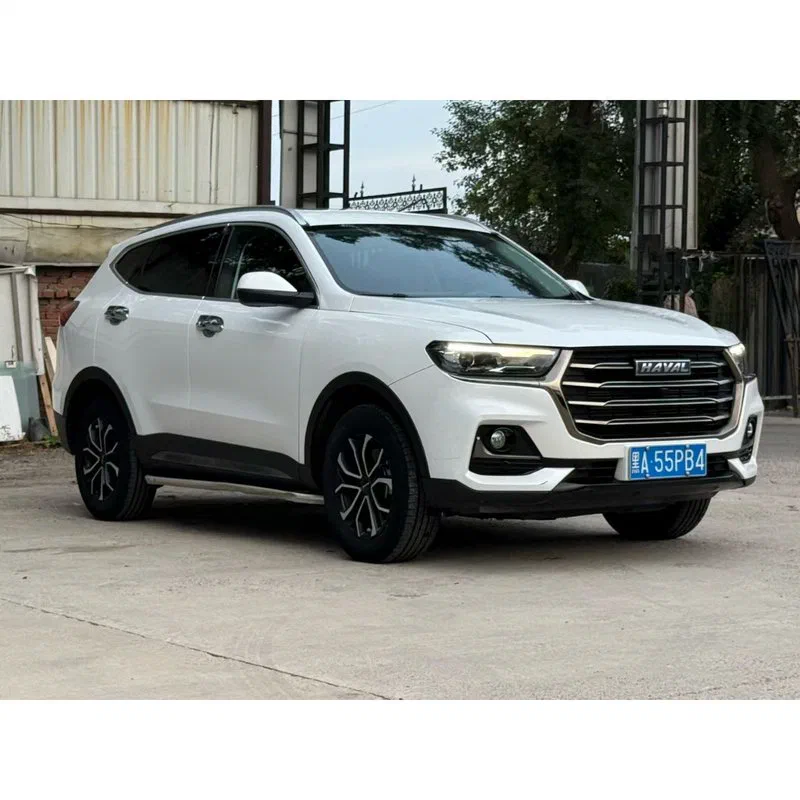
Payment terms should be agreed clearly before purchase. Buyers usually review the inspection result, vehicle information, export documents, and shipping plan before making final arrangements. Used EV imports also require attention to battery transport considerations and local charging infrastructure. Models such as Chery Tiggo 7 Plus, Chery Tiggo 8 Pro, Geely Coolray, and Haval H6 may suit different market needs, but the final selection should match local regulations and operating conditions.
FAQ
Q: What documents should a buyer request before importing a used vehicle? A: Buyers should request vehicle records, inspection documents, export documents, and customs-related paperwork required for the destination market.
Q: How is customs duty for imported used vehicles calculated? A: Duty is generally based on customs valuation methods that may consider the CIF value and other local rules. The exact calculation should be confirmed with the destination customs authority.
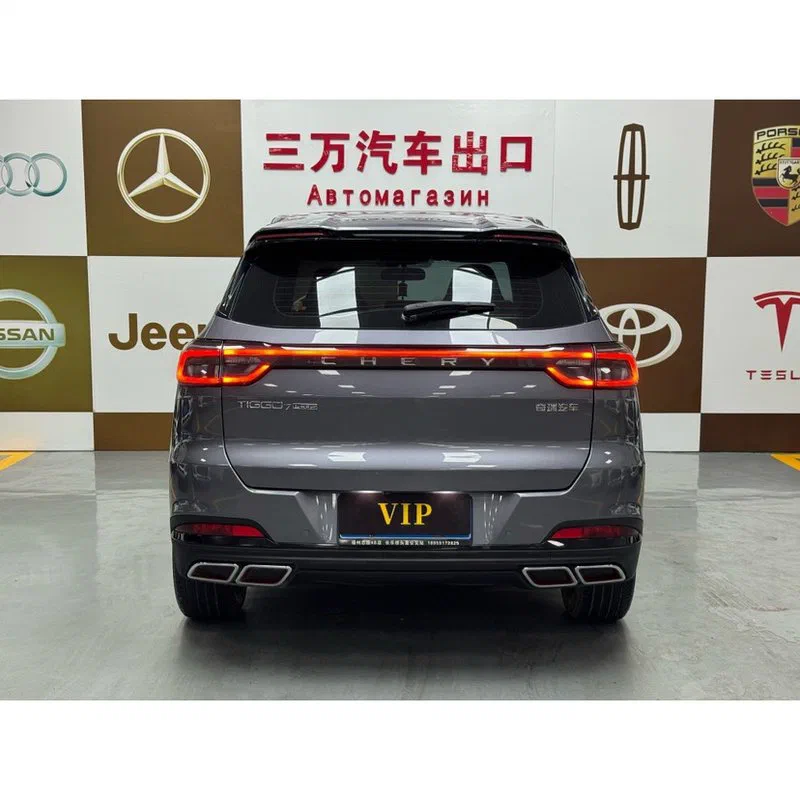
Q: What should be checked before buying a used electric vehicle from China? A: Buyers should check battery health, VIN authenticity, mileage records, service history, accident records, and export documentation before purchase.