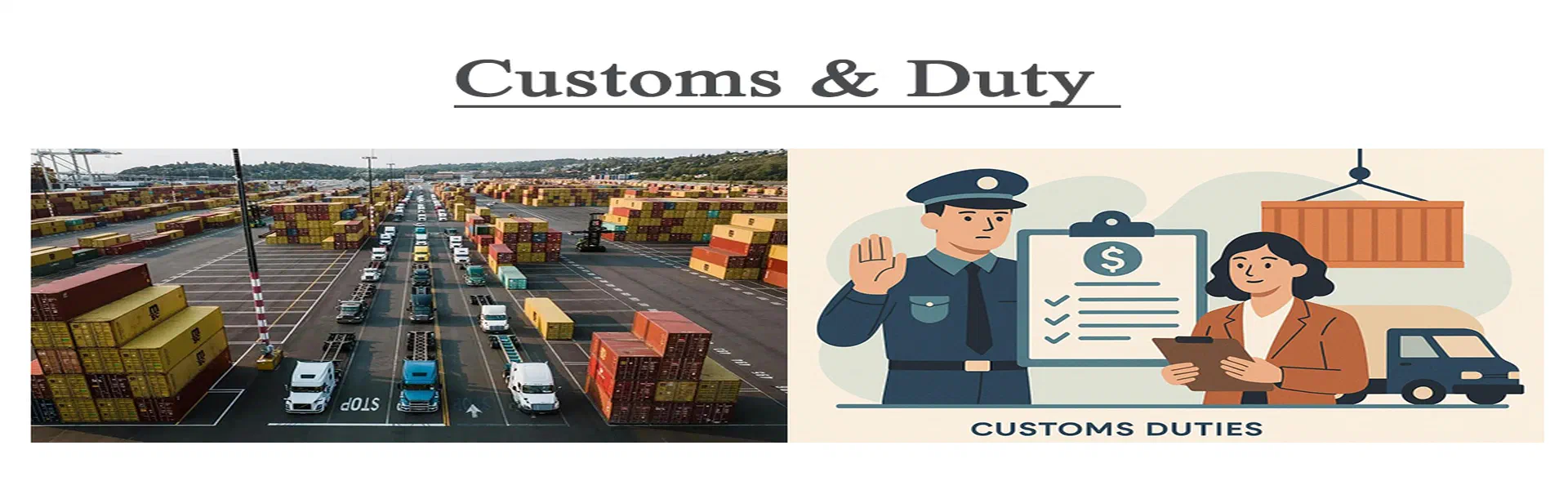

Quality certified used vehicles from China can offer Ghana and Nigeria importers competitive sourcing options, but customs rules, duty costs, shipping terms and vehicle condition must be calculated before purchase. For dealers and fleet buyers in West Africa and North Africa, the real purchase price is the complete landed cost, not only the supplier’s vehicle price.
Customs and landed cost planning
Import duty and customs charges vary by destination country, vehicle type, engine specifications, age and local regulations. Ghana and Nigeria importers should confirm the latest tariff requirements with their customs agents before placing orders, as taxes and clearance fees can significantly affect profitability. A low purchase price can become expensive if duty, port handling, inland transport and documentation costs are not included in the budget.
A reliable landed cost calculation should include vehicle price, China export charges, shipping method, insurance where applicable, customs duty, port clearance fees and delivery to the final location. Export terms such as FOB or CIF should be clearly agreed in the contract so both parties understand which costs are included. Container shipping may suit higher-value vehicles or multiple units, while RoRo can be a practical option for standard used cars depending on route availability.
Vehicle quality and import suitability
Quality certification is essential when buying used Chinese vehicles for African markets. Exporters should provide inspection reports, vehicle history information, mileage verification and service records whenever available. Buyers should check accident history, maintenance condition, battery health for electric vehicles, tire condition, engine performance and interior quality before shipment.

All vehicles exported from China should be left-hand drive (LHD) to meet the requirements of target markets where LHD vehicles are accepted. Popular choices among African buyers often include SUVs and sedans with strong fuel economy, good ground clearance and accessible spare parts. Selecting models with established local demand can improve resale value and reduce after-sales challenges.
Shipping, documents and purchase security
Professional exporters help buyers prepare key documents including commercial invoices, packing details, export certificates and bills of lading. Importers should review every document carefully before shipment to avoid delays at ports such as Tema, Lagos and other regional gateways.
Working with an experienced supplier also reduces procurement risks. A clear contract should define vehicle specifications, inspection standards, payment terms, shipping responsibilities and procedures for handling any issues discovered before export. This approach helps dealers and fleet operators control costs and maintain predictable delivery schedules.
FAQ
Q: What costs should Ghana and Nigeria importers include besides the vehicle price?
A: Importers should budget for shipping, insurance if required, customs duty, port charges, clearance fees, inland transport and local registration costs.
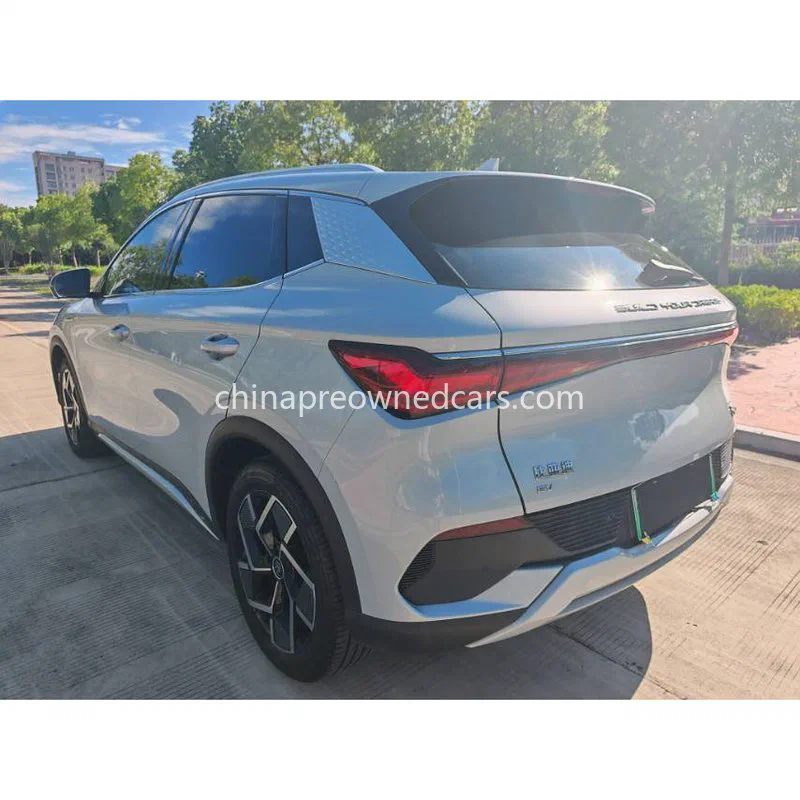
Q: Why is vehicle inspection important when importing used cars from China?
A: Inspection helps verify mileage, condition, accident history and mechanical performance before payment and shipment.
Q: Are Chinese used vehicles suitable for African markets?
A: Yes, when buyers select durable LHD models with suitable specifications, available spare parts and strong local market demand.
Related Articles
 Auto second hand vehicles import customs and duty information for Ghana Nigeria automotive markets
 Best time of year to buy a secondhand car considering import duty and customs regulations
 Buying a certified pre owned vehicle with customs and duty guidance for international buyers
 Certified used cars under 10000 customs clearance and import duty guide for buyers