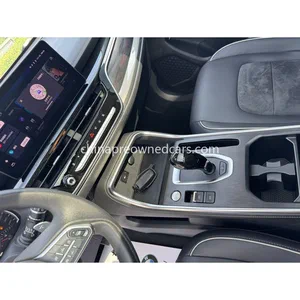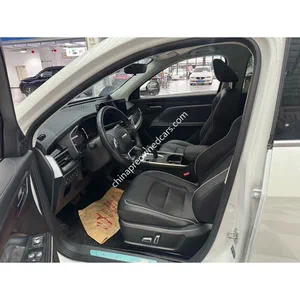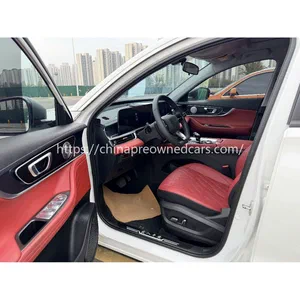

The export process for purchasing used vehicles online entails various stages, from pre-shipment inspection to customs clearance. This article details the workflow involved in exporting Chinese-brand electric and hybrid SUVs, such as the BYD Atto 3 and Chery Tiggo 7 Plus, to markets in Africa and beyond. Understanding this process helps streamline purchases and ensures compliance with local regulations.
Pre-shipment inspection is a critical step that verifies the condition of vehicles before they leave China. Key checks include examining the mechanical functionality, body condition, and compliance with local emission standards. During this phase, necessary certifications are obtained, ensuring that the vehicle meets the requirements for export. This inspection can prevent potential issues during customs clearance and enhance buyer confidence.
Export documentation is essential for a smooth transition through customs. Buyers should prepare a customs declaration, bill of lading, and certificate of origin. These documents provide necessary details about the vehicle, such as its make, model, and engine specifications. Failure to provide accurate documentation can lead to delays or additional costs. Engaging a reliable clearing agent can help navigate these requirements efficiently.
Shipping methods vary based on cost, damage risk, and the type of vehicles being exported. Roll-on/roll-off (RoRo) shipping is often more affordable and suitable for vehicles that can be driven onto the vessel. However, container shipping provides better protection against damage, making it a preferred choice for high-value vehicles. Buyers should weigh these factors and consider shipping lead times, which typically range from 15 to 25 days, depending on the destination.
Customs and duty calculations are based on the CIF (cost, insurance, and freight) value of the vehicle. Various factors, such as the vehicle’s age and emissions standards, may affect the final duty rate. Required documents include Form M, Pre-Arrival Assessment Report (PAAR), and the certificate of origin. Disputes may arise over valuation, so it is essential for buyers to maintain accurate records and work with their clearing agent to resolve any issues promptly.
Finally, it is crucial for buyers to understand the specific import regulations of their destination country. Requirements such as left-hand drive preferences or vehicle age limits vary by market. Buyers are advised to confirm current rules for their specific destination to avoid complications during the import process.

FAQ
Q: What is included in the pre-shipment inspection?
A: The inspection typically includes checks on vehicle functionality, body condition, and compliance with local emission standards.
Q: How is customs duty calculated for imported vehicles?
A: Customs duty is calculated based on the CIF value of the vehicle, considering factors like age and emission standards.
Q: What shipping methods are available for exporting vehicles?
A: Vehicles can be shipped via RoRo for cost-effectiveness or container shipping for added protection against damage.