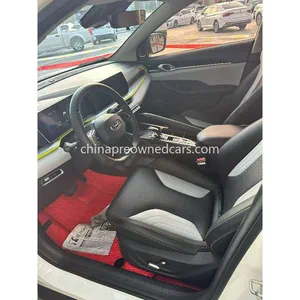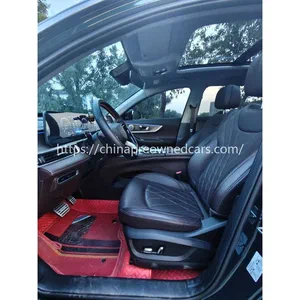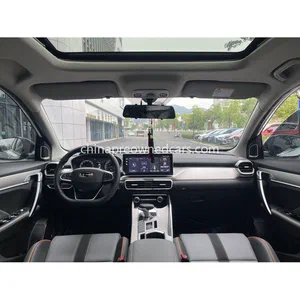
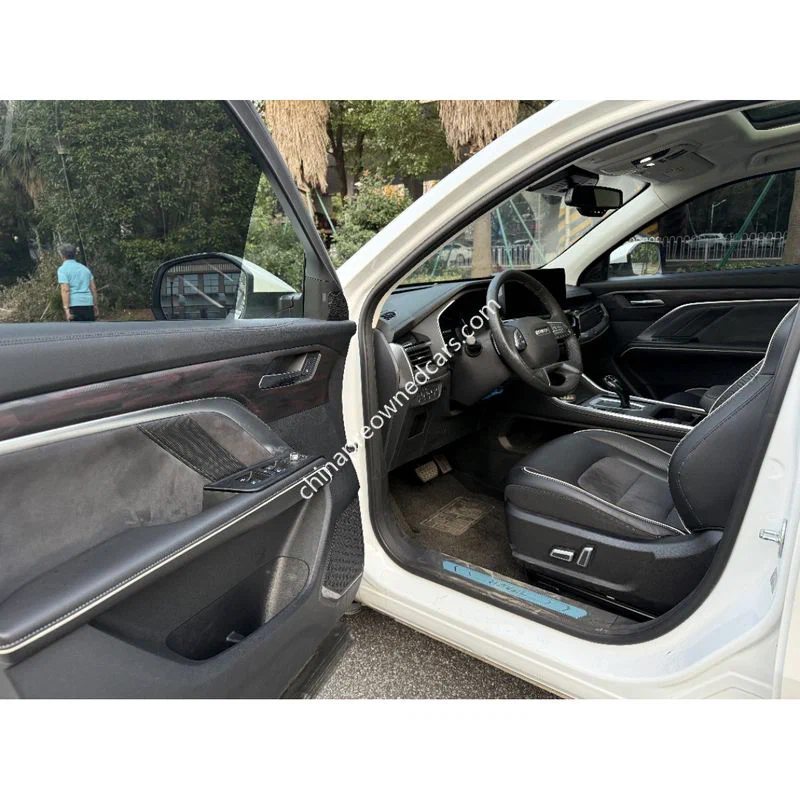
High fuel costs make fuel economy an important consideration for SUV buyers in Ghana, Nigeria, Kenya, Uganda and Tanzania. However, the purchase price is only part of the import calculation. Customs valuation, vehicle age, emissions rules, shipping costs and destination-specific documentation can determine whether a hybrid SUV remains economical after clearance.
For importers considering used cars for sale low price, the key is to assess the vehicle and its landed cost together. A model with lower fuel consumption may offer savings in daily operation, but those savings can be offset by unexpected duties, port charges or compliance problems.
Customs Duties and Landed Cost in African Markets
Import duty is generally calculated using the customs value of the vehicle, with CIF (Cost, Insurance and Freight) serving as an important valuation basis. CIF includes the vehicle’s purchase value, insurance and freight to the destination port. Customs authorities may also apply other charges and taxes according to their national rules.
Vehicle age can affect the final assessment. Some markets apply additional charges or penalties to older imported vehicles, while others impose restrictions based on registration year, manufacturing date or vehicle category. These provisions should be checked before a buyer confirms a purchase. A low acquisition cost does not necessarily mean a low customs bill.
For importers in Ghana, Nigeria, Kenya, Uganda and Tanzania, the calculation should include more than the headline import duty. Port handling, customs processing, inspection charges, applicable taxes and clearing agent fees can all affect the final amount. Hybrid and electric vehicles may also receive different tax treatment from conventional petrol vehicles, depending on current national policy. Such treatment should never be assumed from the vehicle’s powertrain alone.
A practical landed-cost estimate should therefore separate the CIF value, customs assessment, applicable taxes and local clearance expenses. Buyers should request an itemised estimate from a destination-country clearing agent before paying the exporter. This makes it easier to compare a Chery Tiggo 7 Plus, Haval H6 or BYD Atto 3 on the basis of total import expenditure rather than purchase price alone.
Import Documents, Valuation and Clearance Risks
Nigeria requires particular attention to import documentation. The Form M process and Pre-Arrival Assessment Report (PAAR) are important parts of its import framework. Form M is used for the relevant import transaction and should be processed through the authorised banking and trade documentation channels. PAAR supports customs assessment before arrival and helps establish the information used for clearance.
A vehicle shipment should have a consistent documentary record. Depending on the destination and transaction, the buyer may need:
- Commercial invoice showing the vehicle description and transaction value.
- Bill of lading identifying the shipment and consignee.
- Certificate of origin identifying where the vehicle originates.
- Export customs declaration and relevant export documentation.
- Vehicle registration or ownership records supporting its identity and history.
- Pre-shipment inspection documents where required.
- Import permits, declarations and supporting forms required by the destination.
The certificate of origin should not be confused with the vehicle’s brand. A Chinese-brand vehicle and its country of manufacture are separate matters from the nationality of the exporter. Documentation should accurately reflect the vehicle’s actual origin and transaction details.
Valuation disputes are another source of delay. Customs authorities may question an invoice if the declared purchase value appears inconsistent with their reference values or the vehicle’s specifications and condition. An unusually low declared value can trigger additional scrutiny. Buyers should retain payment records, vehicle specifications, photographs and inspection findings that support the transaction price. If customs adjusts the declared value, the clearing agent should explain the assessment basis and available procedures for review.

A qualified local clearing agent is important because the exporter cannot replace the destination authority’s customs process. The agent should verify document requirements before shipment, review the declared customs value and identify any outstanding permits. In Nigeria, errors involving Form M or PAAR can create avoidable clearance problems. In other markets, missing ownership records, incorrect consignee details or inconsistent vehicle descriptions can cause similar difficulties.
Matching SUV Specifications to Destination Conditions
Customs compliance is only one part of vehicle selection. Drive side is an immediate consideration because Ghana, Nigeria, Kenya, Uganda and Tanzania use left-hand traffic. Most vehicles in the current Chinese domestic inventory are left-hand drive (LHD), which makes configuration a critical pre-purchase check. Buyers should confirm that the destination’s current import rules permit the specific vehicle configuration before arranging shipment.
The available models serve different buying priorities. The BYD Atto 3 is a fully electric SUV, not a hybrid, so it should be assessed separately from petrol-electric options. Its suitability depends heavily on charging access, battery condition and the availability of compatible charging equipment. Buyers operating in areas with limited public charging should calculate whether home or workplace charging can support regular use.
The Chery Tiggo 7 Plus and Chery Tiggo 8 Pro provide SUV options for buyers comparing cabin space and vehicle size. The Geely Coolray is a smaller SUV alternative, while the Haval H6 offers another option in the family SUV segment. Exact powertrain specifications can vary by model year and market version. Buyers should verify the engine, transmission and hybrid configuration from the individual vehicle’s VIN, factory specification and inspection records rather than relying on a model name.
Road and climate conditions also affect the choice. Rough urban roads, unpaved regional routes, heavy rain and high temperatures place different demands on tyres, suspension, cooling systems and air conditioning. Ground clearance should be checked against the buyer’s intended routes. A larger SUV is not automatically the better option if its running costs and maintenance requirements exceed the operator’s budget.
Fuel and charging infrastructure require equal attention. Hybrid vehicles can reduce petrol consumption in suitable driving conditions, but actual results depend on the system design, traffic patterns and maintenance condition. A conventional petrol SUV may remain easier to operate where specialist hybrid servicing is limited. For the BYD Atto 3, battery state of health (SOH), charging performance and battery transport requirements need specific assessment. EV batteries also require shipping arrangements that differ from those for combustion vehicles.
Before confirming an order, buyers should obtain a vehicle-specific condition report. It should cover exterior damage, structural repairs, corrosion, tyre condition, suspension, engine or electric drive system, diagnostic fault codes and service history where available. Hybrid models require checks of the hybrid battery and associated systems. For the Atto 3, battery SOH and charging tests are particularly important. Mileage and ownership history should be cross-checked against available records; neither should be treated as guaranteed simply because it appears in an advertisement.
Export arrangements should be agreed before the vehicle leaves China. The exporter must handle the applicable export licensing, customs declaration and pre-shipment inspection requirements. Shipping is generally arranged through Roll-on/Roll-off (RoRo) services or container loading. RoRo can suit vehicles that meet carrier acceptance conditions, while container shipping may offer different handling and consolidation options. Used EVs require additional attention to carrier battery policies and dangerous-goods documentation where applicable.
The purchase agreement should identify the vehicle, agreed condition disclosures, payment stages, shipping method and responsibility for documentation. Buyers should also establish which charges are included in the quoted export price and which remain payable at destination. Shipping schedules depend on vessel availability, port operations, inspection completion and document accuracy. A shipment should not be booked on the assumption that customs clearance will follow automatically after arrival. For importers in Africa, advance coordination between the Chinese exporter, shipping company and local clearing agent is often the most effective way to reduce avoidable costs and delays.
FAQ
Q: How are customs duties calculated when importing a used hybrid SUV into Africa?
A: Customs assessments commonly use the CIF value, with applicable taxes, fees and possible age-related charges added according to destination rules. Buyers should obtain a current calculation from a local clearing agent before purchasing.
Q: What documents are required to import a used vehicle into Nigeria?
A: Relevant documents include Form M, PAAR, commercial invoice, bill of lading, certificate of origin and supporting vehicle records. Additional permits and inspection documents may apply to the specific shipment.
Q: Which Chinese SUV is suitable for buyers facing high fuel costs?
A: The Chery Tiggo 7 Plus, Chery Tiggo 8 Pro, Geely Coolray and Haval H6 should be compared by their actual powertrain specifications and condition. The BYD Atto 3 is fully electric, making charging access and battery health central to its suitability.