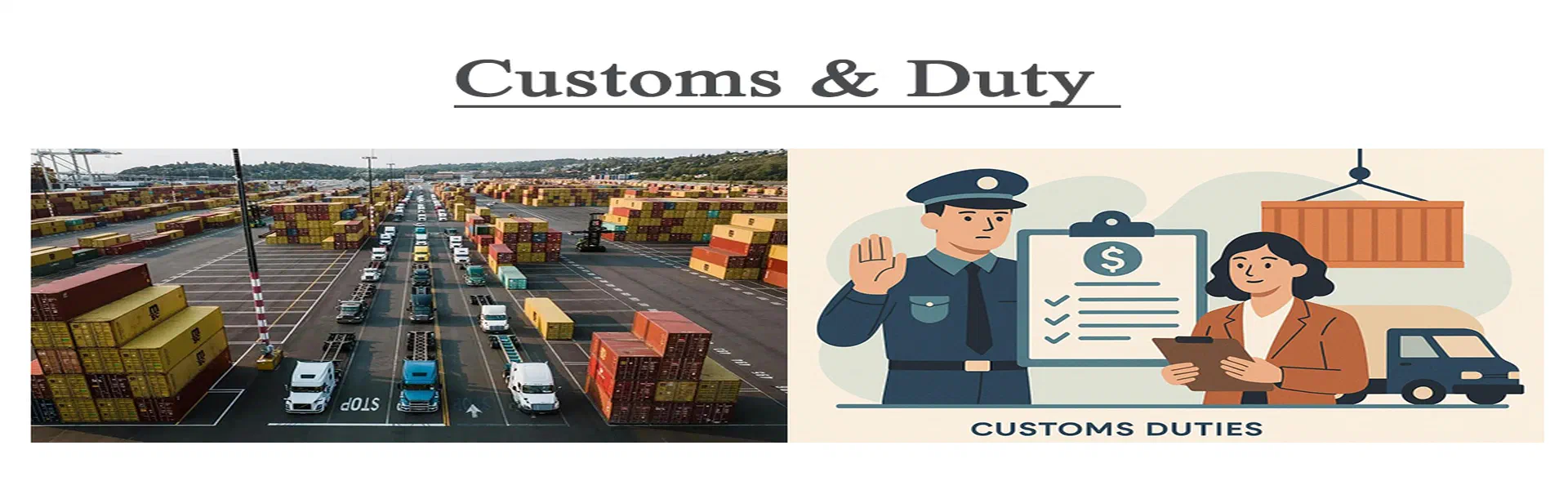
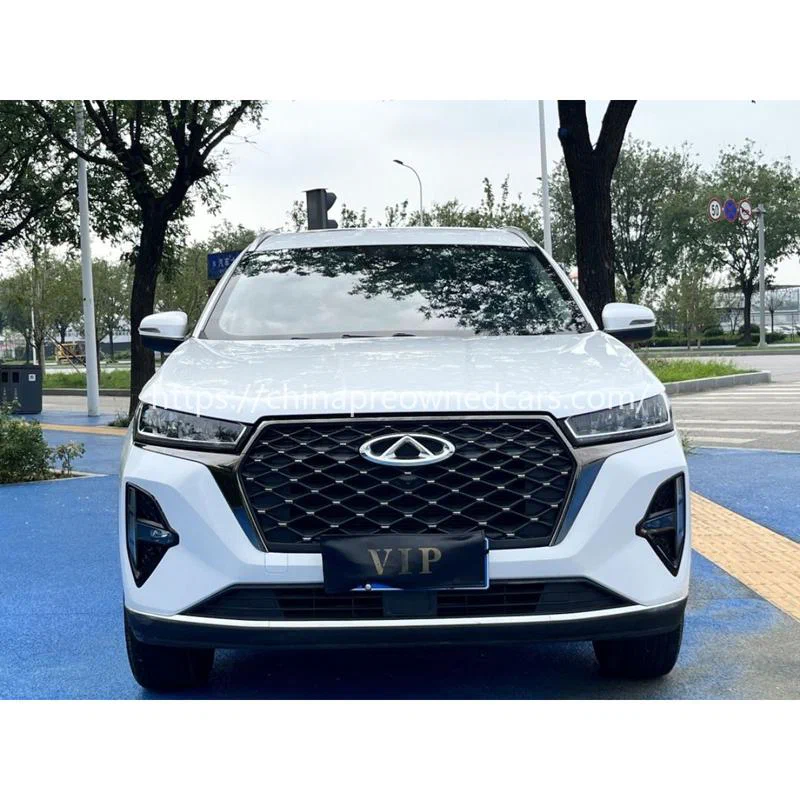
Importing pre-owned Lexus cars from China into countries like Ghana and Nigeria involves understanding customs duty, import regulations, and the overall landed cost. These factors significantly affect the profitability and feasibility of your investment. Buyers need to be aware of the shipping methods and the condition of the vehicles to make informed purchasing decisions.
When importing vehicles into West Africa, customs duty is a crucial consideration. This duty varies depending on the vehicle’s age, engine size, and value. It’s important to calculate the duty accurately to avoid unexpected expenses. The landed cost also includes shipping charges, which can vary based on the shipping method chosen, such as Roll-on/Roll-off (RoRo) or container shipping. RoRo is often cheaper but may expose vehicles to elements during transit, while container shipping offers more protection.
The condition of pre-owned Lexus cars from China is generally well-maintained, but thorough inspection is vital. Vehicles should be checked for mileage, service history, and overall condition to ensure they meet your expectations. These checks help prevent future maintenance costs and improve resale value. A well-documented service history can be a significant advantage, offering assurance of the vehicle’s upkeep.

Shipping logistics play a pivotal role in the import process. Choosing the right incoterms, such as FOB or CIF, affects who bears the risk during transit. Understanding these terms ensures clarity in responsibilities between buyers and sellers. Proper documentation, including a bill of lading, is necessary for smooth port clearance. This step minimizes delays and additional charges, ensuring a seamless transaction.
FAQ
Q: What is the difference between RoRo and container shipping? A: RoRo is more cost-effective but can expose vehicles to elements, while container shipping offers better protection during transit.
Q: How does customs duty affect the overall cost? A: Customs duty can significantly increase the landed cost, depending on factors like vehicle age and engine size.

Q: What documentation is needed for port clearance? A: Essential documents include the bill of lading, import duty payment proof, and vehicle registration papers.
Related Articles
 Auto second hand vehicles import customs and duty information for Ghana Nigeria automotive markets
 Best time of year to buy a secondhand car considering import duty and customs regulations
 Buying a certified pre owned vehicle with customs and duty guidance for international buyers
 Certified used cars under 10000 customs clearance and import duty guide for buyers