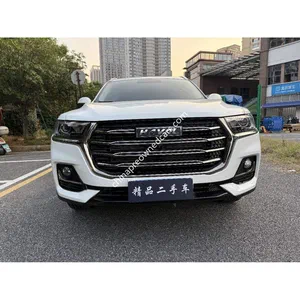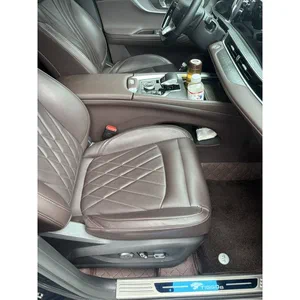
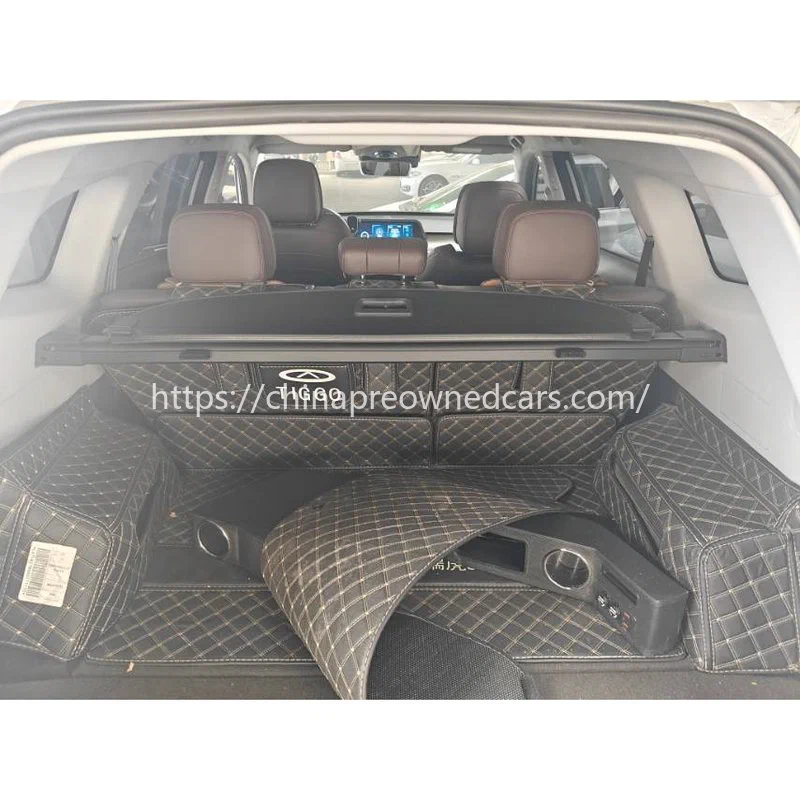
Buyers looking into used cars at dealerships should approach the process with careful consideration. Key aspects to verify include vehicle specifications, documentation, and the exporter’s credibility. This guidance is especially relevant for those interested in pre-owned electric and hybrid SUVs from Chinese brands, such as those available for export to markets in Africa and beyond.
Vehicle Verification Essentials
Before finalizing a purchase, it is crucial to assess the vehicle’s condition. Buyers should verify the following:
- Mileage: Check for discrepancies between the odometer reading and service records.
- Service History: Obtain comprehensive service records to gauge how well the vehicle has been maintained.
- Accident Record: Request information on any past accidents, as this can impact safety and resale value.
- Battery Health for EVs: For electric SUVs, assess the battery state-of-health, which can influence performance and longevity.
- VIN Verification: Ensure the Vehicle Identification Number matches across all documents and the vehicle itself to prevent fraud.
Documentation Requirements
Requesting the right documentation is fundamental to a successful transaction. Essential documents include:
- Inspection Report: A recent inspection report can provide insights into the vehicle’s condition and any needed repairs.
- Export License: Confirm that the exporter has the necessary licenses to facilitate legal export processes.
- Customs Clearance Paperwork: This documentation is required to ensure smooth entry into the destination market.
Export Procedures Essentials
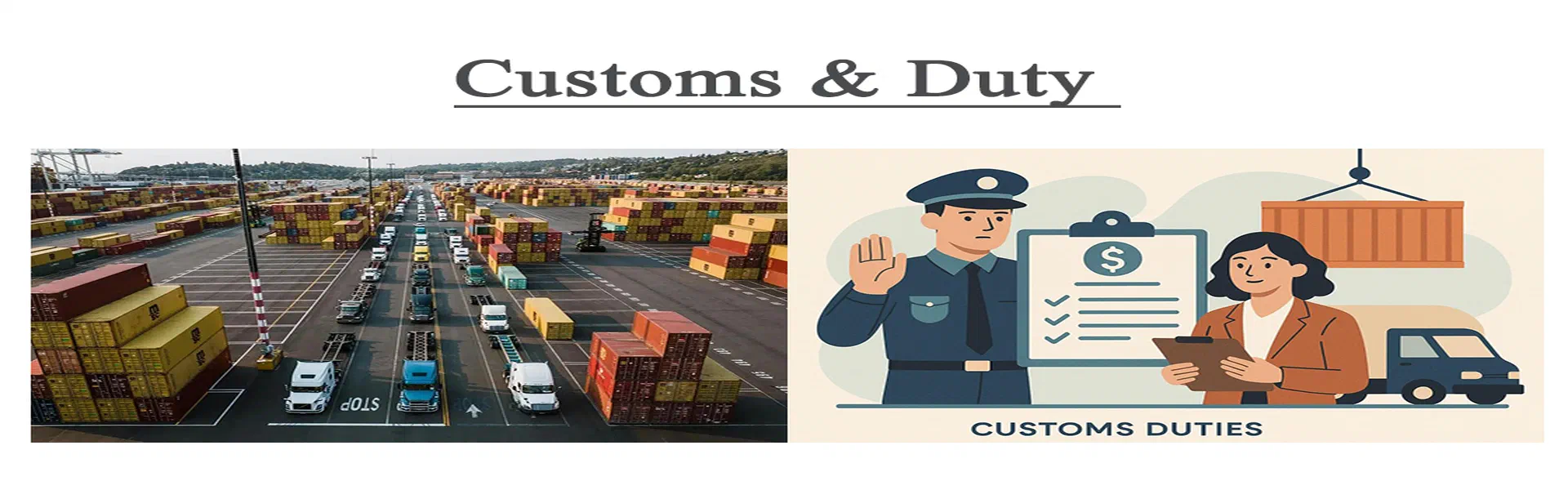
Navigating export logistics involves several steps, including customs clearance and choosing the appropriate shipping method. The two main shipping options are:
- RoRo (Roll-on/Roll-off): This method is generally more cost-effective, allowing vehicles to be driven onto the ship.
- Container Shipping: This option provides extra protection but may incur higher costs.
Ensure your paperwork is in order to avoid delays during customs clearance, which can be affected by incomplete documentation or misclassification of goods.
Market-Specific Regulations

Each country has its own import regulations that can vary significantly. Key considerations include:
- Drive Side: Most vehicles in the inventory are left-hand drive, which may not align with the requirements of some markets.
- Emission Standards: Be aware of the emission standards applicable in the destination market. These can change frequently, so verify current requirements.
- Vehicle Age Limits: Import restrictions often apply concerning the age of vehicles. Always confirm the specific limits for your target country.
Payment Terms and Exporter Credibility
Understanding payment terms is vital. Standard practices may require a deposit upon agreement, with the balance payable before shipping. Assess the exporter’s credibility by:
- Reviewing Testimonials: Look for reviews from previous clients to gauge their reliability.
- Checking Industry Certifications: Verify if the exporter holds relevant certifications or associations that validate their operations.
Common Pitfalls and Delays
Several issues can arise during the buying and shipping process, leading to potential delays or complications:
- Incomplete Documentation: Ensure all necessary documents are obtained and correctly filled out to avoid customs hold-ups.
- Valuation Disputes: Discrepancies in vehicle valuation can lead to issues in customs clearance, so be prepared to provide supporting documentation for the vehicle’s price.
- Poor Communication: Maintain regular contact with the exporter to stay updated on the status of your order and shipping.
After-Sales Support
Consider the after-sales support offered by the exporter. This can include warranty information, assistance with registration, and guidance on local maintenance services. Adequate support can enhance the overall buying experience and safeguard your investment.
FAQ
Q: What should I check for in the vehicle’s service history?
A: Look for regular maintenance records, repairs, and any major accidents that may have affected the vehicle.
Q: How do I confirm the exporter’s license?
A: Request a copy of their export license and check if they are registered with relevant trade organizations for added credibility.
Q: What are the typical payment terms when buying used cars?
A: Most exporters require a deposit upfront, with the remaining balance due before shipment. Confirm these terms in writing.