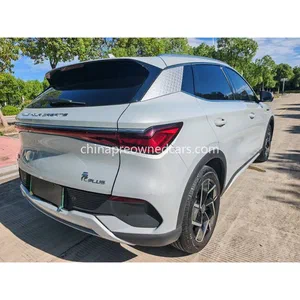

Understanding the essential questions to ask when considering purchasing used vehicles is crucial for overseas buyers. This guide offers practical insights regarding the verification process, documentation, exporter credibility, payment terms, and common pitfalls to avoid. Buyers should be well-informed before engaging in the used vehicle market, especially in regions with specific customs and duty regulations.
Vehicle Verification
Before finalizing a purchase, it is important to verify the vehicle’s condition thoroughly. Key factors to check include mileage, service history, accident records, and battery health for electric vehicles. Requesting the Vehicle Identification Number (VIN) is essential to ensure authenticity and to cross-check the vehicle’s history through reliable databases. For electric and hybrid models, buyers should specifically inquire about battery performance and health, as this can significantly affect the vehicle’s overall value and usability.
Documentation Requirements
Documentation plays a vital role in the exportation process. Buyers should request crucial documents such as the export license, customs clearance paperwork, and inspection reports prior to purchase. These documents validate the vehicle’s compliance with export regulations and confirm that it meets the necessary standards for the destination market. Familiarity with local requirements is essential to avoid complications. For instance, certain markets may require a certificate of origin, Form M, or a PAAR (Pre-Arrival Assessment Report).
Export Procedures

The export process involves several critical steps that ensure compliance with both local and destination regulations. Pre-shipment inspections are standard practice and should be documented in the inspection report. Understanding the differences between RoRo (Roll-on/Roll-off) shipping and container shipping is also important. RoRo is generally more economical for larger vehicles, while container shipping provides additional protection for high-value units. Buyers should consider the lead times associated with each shipping method, which can vary based on the destination.
Customs and Duty Considerations
Customs regulations can vary significantly by country, impacting the total cost of importing used vehicles. Duty is typically calculated on a Cost, Insurance, and Freight (CIF) basis, and buyers should be aware of potential age penalties that might apply based on the vehicle’s age. Valuation disputes can arise during customs clearance, making it essential to work with a reputable clearing agent. This professional can help navigate the complexities of customs, ensuring that all necessary documents are in order and delays are minimized.
Exporter Credibility
Assessing the credibility of an exporter is crucial to ensure a smooth transaction. Buyers should conduct thorough research, including checking reviews and testimonials from previous clients. Requesting references or examples of past transactions can provide additional confidence. It’s also beneficial to verify if the exporter has relevant licenses and certifications that confirm their legitimacy. Engaging with exporters who have a proven track record in specific markets can offer additional peace of mind.
Payment Terms and Common Issues
Standard payment terms in the used vehicle export business often involve upfront deposits followed by the balance upon shipment confirmation. Understanding these terms can help buyers manage their finances better. Common issues that can arise include discrepancies in vehicle condition upon arrival, delays due to customs, or unexpected fees. Buyers are encouraged to have clear contracts that outline the terms of sale, including stipulations for any unforeseen circumstances or disputes.
FAQ
Q: What should I look for when verifying a used vehicle? A: Key factors include mileage, service history, accident records, battery health for EVs, and VIN authenticity.
Q: What documents are required for exporting a used vehicle? A: Essential documents include the export license, customs clearance paperwork, and inspection reports.