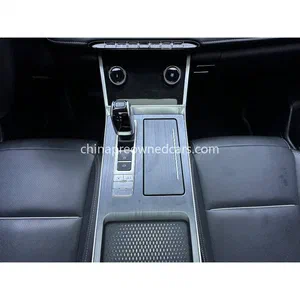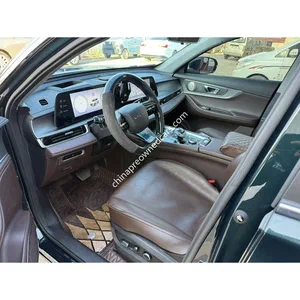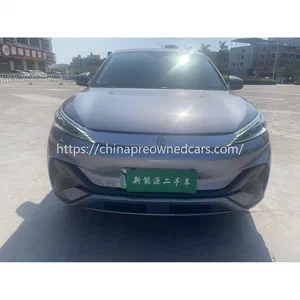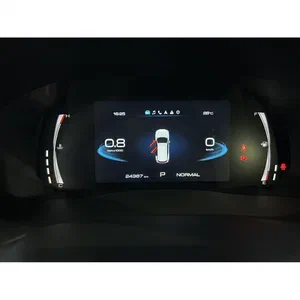
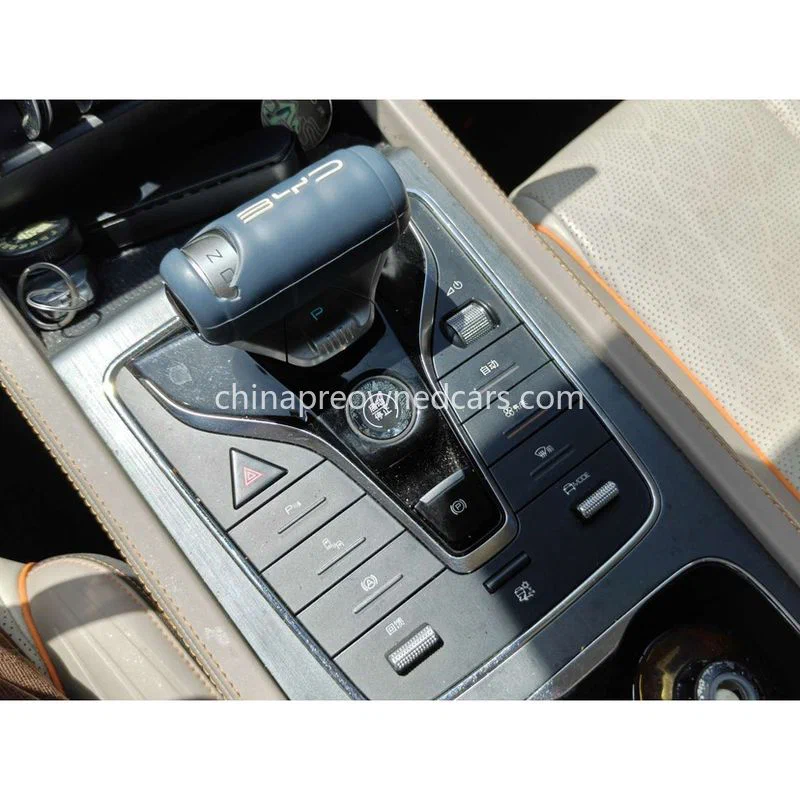
Electric vehicles (EVs) and hybrids are becoming increasingly popular in international markets, particularly in Africa, the Middle East, and South America. Exporting these vehicles involves various considerations, from technical specifications to customs requirements. This article outlines key aspects of exporting Chinese-brand electric and hybrid SUVs, focusing on battery health, charging standards, and customs procedures.
Battery Health and Specifications
For any buyer sourcing electric vehicles, battery state-of-health is a critical factor. A thorough assessment of the battery’s performance can influence resale value and operational efficiency. Battery degradation typically affects range, and understanding this can help in negotiations. Potential buyers should verify the battery’s current capacity and any service history related to battery maintenance or replacement. Additionally, compatibility with local charging infrastructure is crucial; different markets may accept various charging connector standards like GB/T, CCS, or CHAdeMO. Buyers should confirm which standard is prevalent in their target market to avoid compatibility issues.
Export Logistics and Procedures

Exporting vehicles from China requires adherence to specific procedures, including pre-shipment inspections and customs clearance. Each vehicle must undergo a pre-shipment inspection to ensure it meets export standards and local regulations. This inspection typically includes checks on vehicle condition, safety features, and compliance with emission standards. Documentation is also essential, including the export license, Bill of Lading, and customs declaration. Shipping options include RoRo (Roll-on/Roll-off) and container shipping, which should be selected based on cost and security considerations. Buyers need to be aware that shipping lead times can vary but generally range from 15 to 25 days.
Customs Clearance and Import Regulations
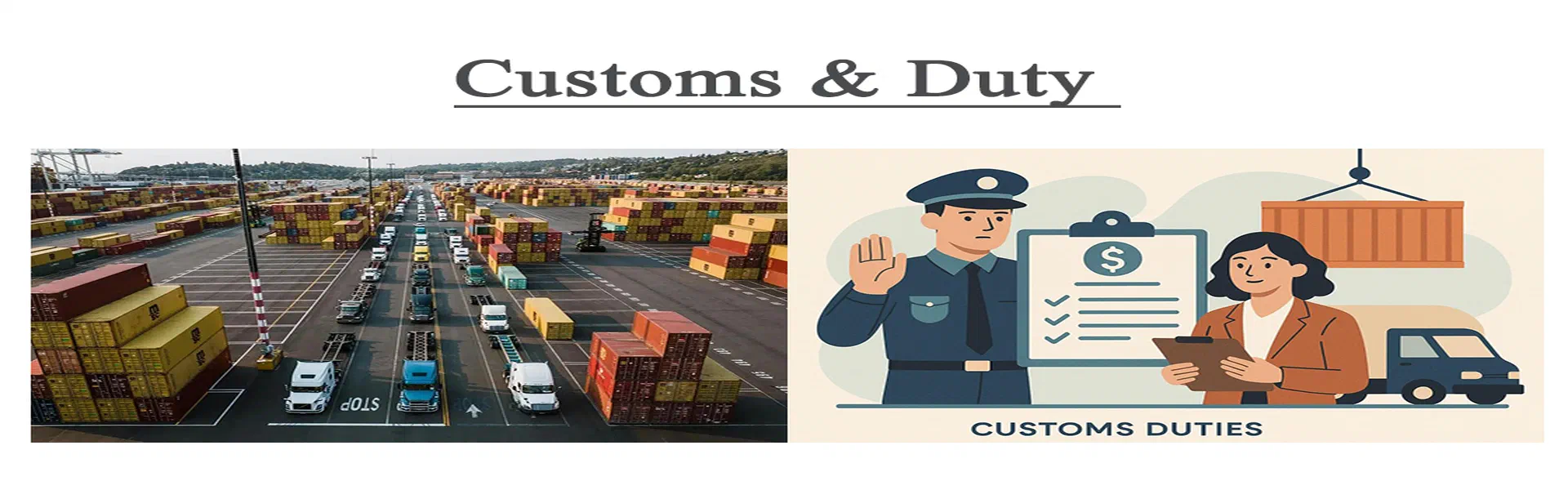
Understanding customs regulations is vital for successful vehicle exportation. Import duties are generally calculated on a Cost, Insurance, and Freight (CIF) basis, and buyers should also be aware of potential age penalties for used vehicles. Required documents often include Form M, a Pre-Arrival Assessment Report (PAAR), and a certificate of origin. Buyers are encouraged to engage a clearing agent to facilitate the customs process, as they can assist in navigating local regulations and avoiding common pitfalls. Delays can arise from incomplete documentation or discrepancies in vehicle valuation, making accuracy essential.
Market-Specific Requirements
Each destination market has unique regulations regarding vehicle imports, which can include age limits and emission standards. Most of the inventory from this exporter is left-hand drive, which is suitable for many African and Middle Eastern countries. However, buyers should confirm the specific requirements for their market, as these regulations can change frequently. Additionally, buyers should consider the local charging infrastructure for electric vehicles and how this might affect the operation of their imported vehicles. Understanding these market-specific factors can aid in making informed purchasing decisions.
FAQ
Q: What should I verify before purchasing an electric vehicle for export?
A: Buyers should check the battery health, vehicle condition, and compliance with local charging standards before making a purchase.
Q: How are customs duties calculated for imported vehicles?
A: Customs duties are typically calculated based on the Cost, Insurance, and Freight (CIF) value of the vehicle, along with any applicable age penalties.
Q: What documents are required for vehicle export from China?
A: Key documents include the export license, Bill of Lading, customs declaration, and a certificate of origin.