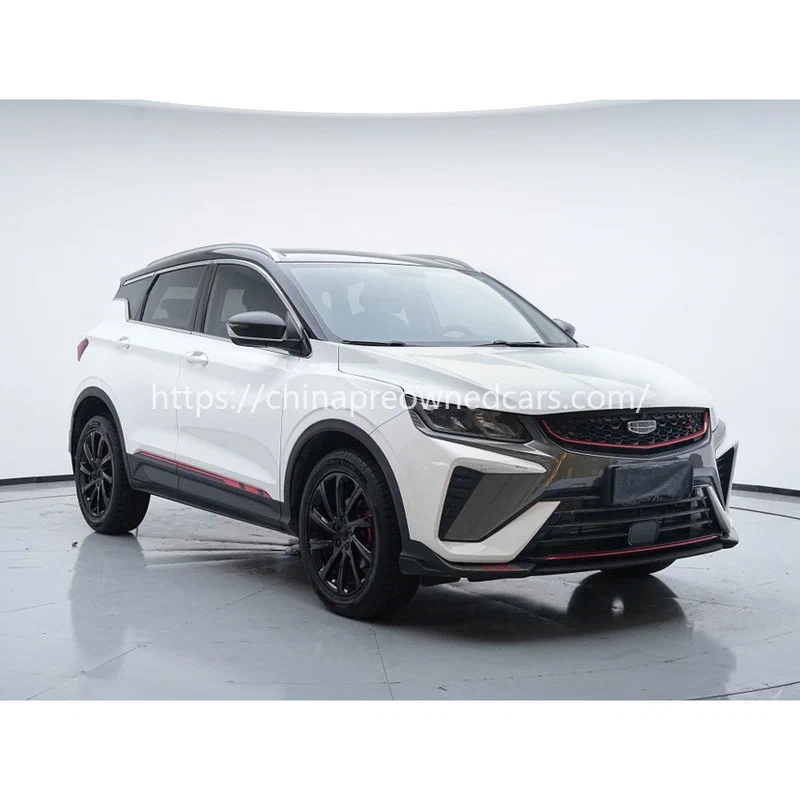
Overseas buyers of Chinese-brand electric SUVs must conduct thorough checks before finalizing a purchase. This article outlines key aspects to verify regarding vehicle condition, export documentation, and customs requirements, with practical guidance for minimizing risks during the buying process.
Essential Vehicle Checks
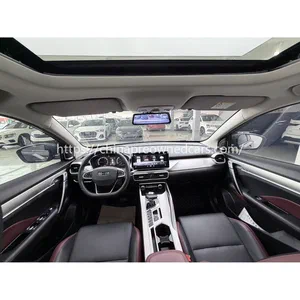
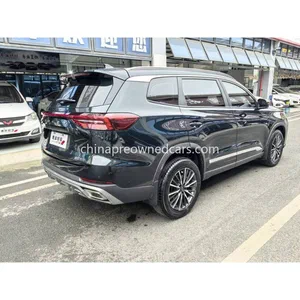
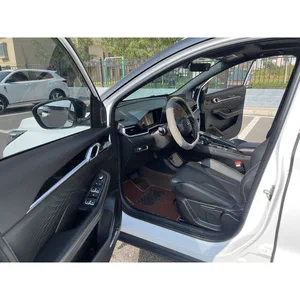
When sourcing used electric SUVs such as the BYD Atto 3 or Chery Tiggo 8 Pro, buyers should prioritize condition verification. Request comprehensive details about mileage and service history, as these indicate wear and ongoing maintenance. Confirm accident records to avoid hidden damage that could affect roadworthiness. For electric vehicles, battery health is critical; ask for state-of-health reports to evaluate remaining battery life and charging efficiency. Verify the authenticity of the vehicle identification number (VIN) against official records to ensure the SUV has not been tampered with or illegally modified. These checks reduce the likelihood of disputes or unexpected costs after import.

Export Documentation
Reliable exporters provide essential documents to support a smooth customs clearance. Request the pre-shipment inspection report, as many destination countries require proof of roadworthiness. Verify the exporter’s license and confirm that customs clearance paperwork will be provided, including the certificate of origin and export declaration. These documents are critical for calculating import duties, which are typically based on the CIF (Cost, Insurance, Freight) value. Buyers should also be alert to discrepancies in documentation that could lead to valuation disputes or additional inspections at the destination port.
Customs and Import Requirements
Import regulations for African markets such as Ghana or Kenya often involve restrictions on vehicle age, emission standards, and drive side compatibility. Most Chinese SUVs, including the Haval H6, are left-hand drive, which suits these markets but requires confirmation for specific countries. Customs duties may include penalties for older vehicles or those failing to meet emission standards, so buyers should review these factors carefully. Employing a reputable clearing agent helps navigate challenges such as valuation disputes, missing paperwork, or inspection delays. Ensure all necessary forms, such as Form M or PAAR where applicable, are submitted promptly to avoid shipment holds.
Exporter Credibility and Payment Terms
Assessing the credibility of the exporter is crucial to avoid logistical errors and financial loss. Check industry certifications, customer references, and online reviews to confirm the exporter’s reliability. Standard payment terms often involve partial prepayment or a letter of credit, offering security for both parties. Clarify shipping lead times, which typically range from 15 to 25 days depending on the destination and whether RoRo or container shipping is chosen. Buyers should also inquire about after-sales support, such as warranty options or spare part availability, to ensure long-term value from the purchase.
FAQ
Q: What should I check about an EV’s battery before buying?
A: Request a battery state-of-health report to understand its remaining capacity and charging efficiency.
Q: What documentation is required for customs clearance?
A: Key documents include a pre-shipment inspection report, export declaration, and certificate of origin.