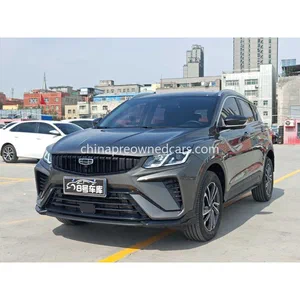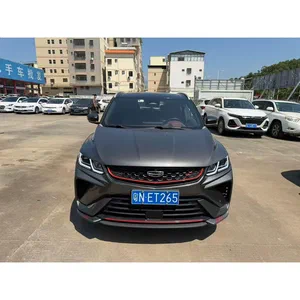
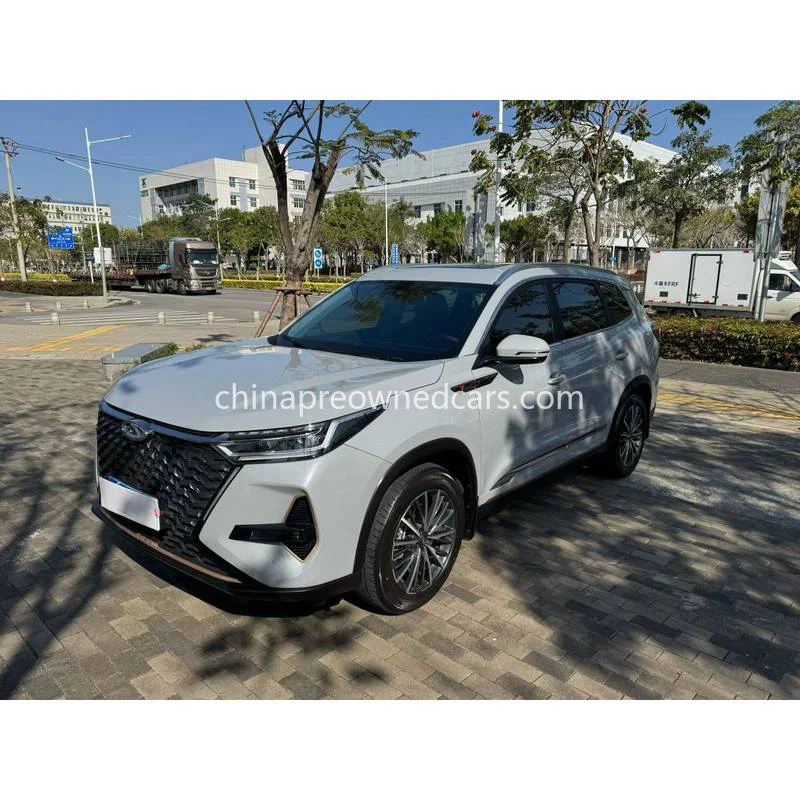
Exporting used vehicles from China involves several critical steps to ensure compliance with international regulations and the safety of the vehicles during transit. This article explains the pre-shipment inspection process, documentation requirements, shipping methods, and customs handling for pre-owned vehicles, offering practical insights for importers targeting African markets such as Ghana and Nigeria.
Pre-Shipment Inspection and Certification
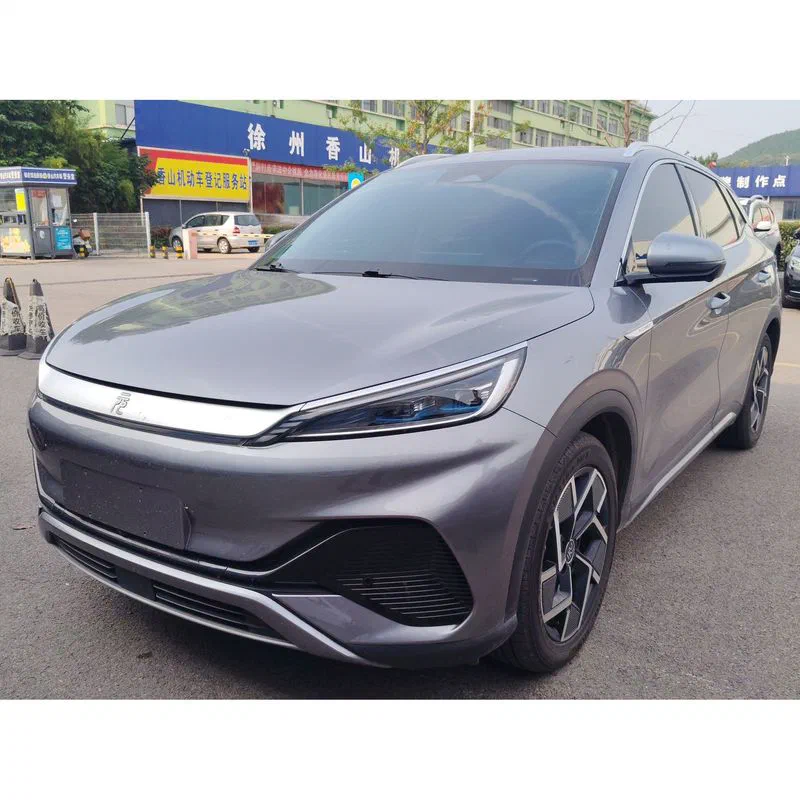
Before any vehicle leaves China, it undergoes a mandatory pre-shipment inspection. This process typically evaluates the vehicle’s mechanical condition, structural integrity, emission compliance, and safety features. Key components such as brakes, tires, lights, and engine performance are thoroughly checked. For electric and hybrid vehicles like the BYD Atto 3 or Chery Tiggo 8 Pro, battery state-of-health is a critical part of the inspection. Certification is issued once the vehicle meets the standards set by both Chinese authorities and the destination country. Importers should ensure they receive a copy of the inspection certificate, as it is often a requirement for customs clearance.
Export Documentation and Shipping Methods

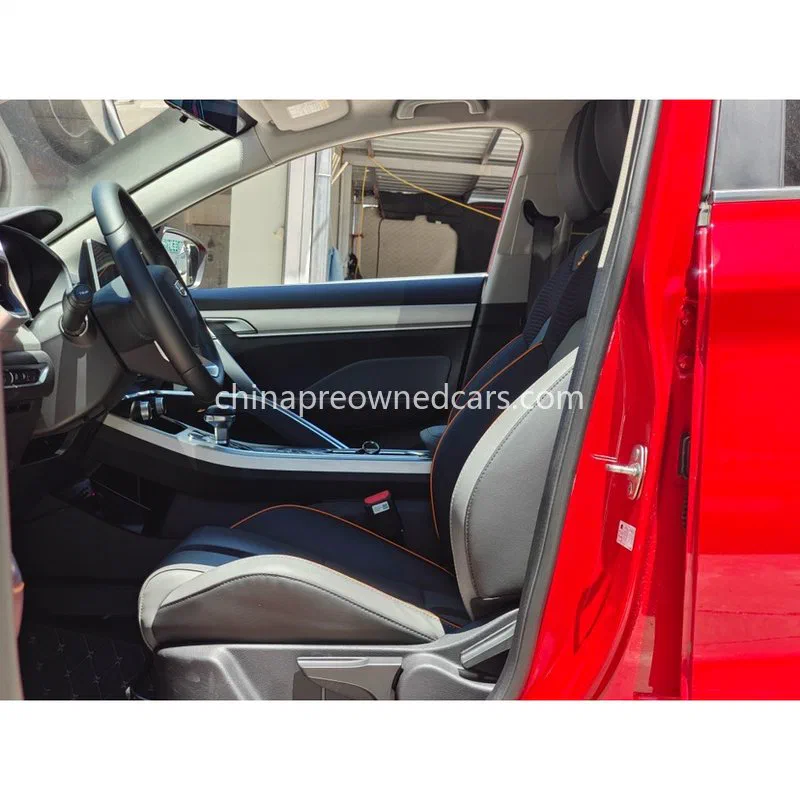
Proper documentation is essential for a smooth export process. Required documents include a customs declaration, bill of lading, certificate of origin, and sometimes a detailed inspection report. The choice of shipping method—Roll-on/Roll-off (RoRo) or container shipping—depends on factors such as destination, cost considerations, and the level of protection needed. RoRo is usually more cost-efficient but exposes vehicles to elements during transit. Container shipping, on the other hand, provides better protection against weather and handling damage, especially for higher-value vehicles or those with sensitive components like hybrid systems.
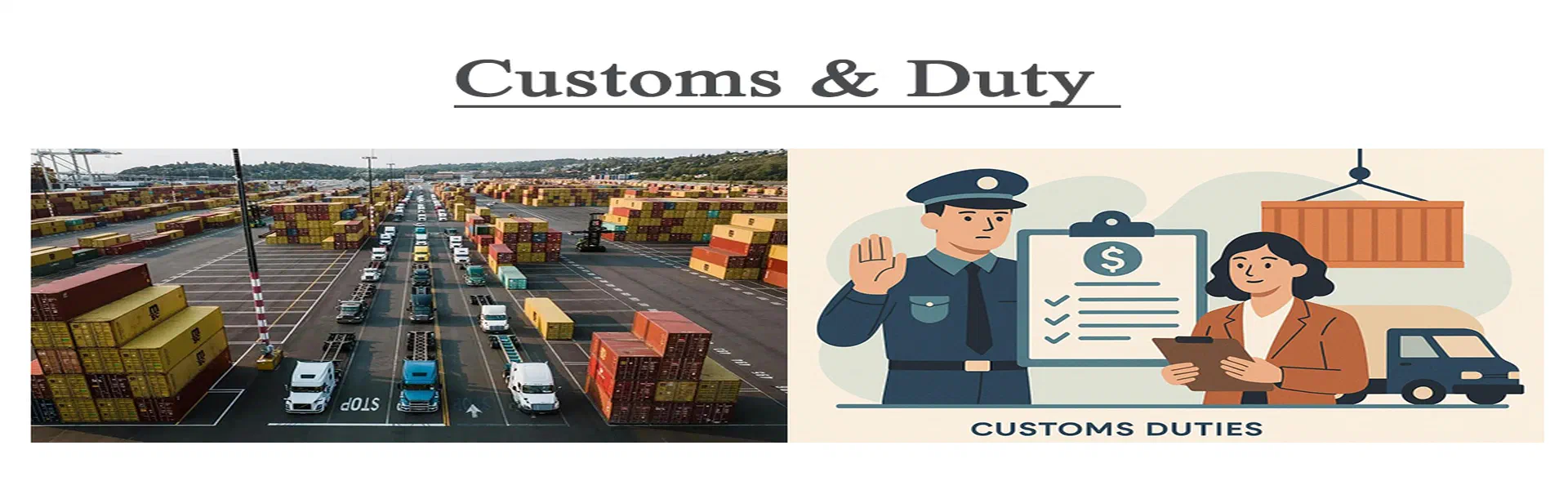
Customs Handling and Duty Calculations
Destination countries such as those in Africa often calculate import duty based on the CIF (Cost, Insurance, Freight) value of the vehicle. Additional factors like vehicle age and emission standards can influence the duty rate, with older vehicles or those failing to meet specific standards incurring higher charges. Importers should be prepared to provide documentation such as Form M, PAAR (Pre-Arrival Assessment Report), and other country-specific requirements like roadworthiness certificates. Engaging a reliable clearing agent can help navigate valuation disputes or avoid delays caused by incomplete paperwork.
Shipping Lead Times and Potential Delays
Shipping lead times for used vehicle exports from China to Africa typically range from a few weeks to over a month, depending on the destination and shipping method. While RoRo shipments are often faster due to their direct loading and unloading processes, containerized shipping may require additional time for loading and customs inspections. Delays can also occur due to incomplete documentation, port congestion, or stricter inspections in the destination country. Importers are advised to account for these variables when planning their procurement timelines.
FAQ
Q: What protection does container shipping offer for electric and hybrid SUVs?
A: Container shipping protects vehicles from environmental factors and reduces the risk of damage during transit, which is crucial for vehicles with delicate components.
Q: What is the role of the pre-shipment inspection certificate?
A: The inspection certificate confirms the vehicle’s compliance with safety and emission standards and is often required for customs clearance in the destination country.

Q: How is import duty calculated for used vehicles?
A: Import duty is generally calculated on the CIF value of the vehicle, with additional charges for factors like age or emission non-compliance.