A used vehicle purchase for export requires more than checking appearance and mileage. This guide covers the main vehicle checks, customs documents, payment considerations, and export procedures buyers should review before importing from China.
Before placing an order, buyers should inspect the vehicle’s identity, condition records, and export documents. A proper process to inspect used car before buying helps reduce risks related to hidden repairs, inaccurate information, and customs delays.
Vehicle checks before export purchase
The first step is confirming the vehicle details match official records. VIN verification should be completed against available vehicle information, including production data, registration records, and service documents. The VIN should also match the physical vehicle to avoid problems during export declaration or destination clearance.
Mileage requires careful review. Buyers should request maintenance records, inspection information, and supporting evidence rather than relying only on the dashboard reading. Service history can show whether the vehicle received regular maintenance and whether major components were repaired or replaced.
Accident history is another important factor. A visual inspection should check body panels, paint differences, chassis areas, and signs of structural repair. A vehicle with previous damage is not automatically unsuitable for export, but the repair quality and impact on safety should be understood before purchase.
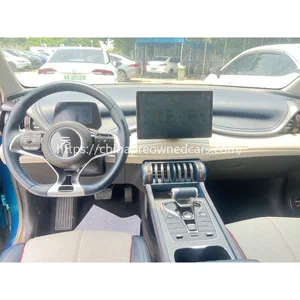
For electric and hybrid models such as BYD Atto 3, battery condition needs additional attention. Buyers should request battery health information, charging history where available, and details of any battery-related service. Battery transport and condition requirements may affect export preparation, especially for new energy vehicles shipped internationally.
Documentation and customs preparation
A professional export process depends on complete paperwork. The exporter should provide documents related to vehicle inspection, export licensing, customs declaration, and shipping arrangements. Pre-shipment inspection is a key step because it records the vehicle condition before loading and helps buyers review the unit before departure.
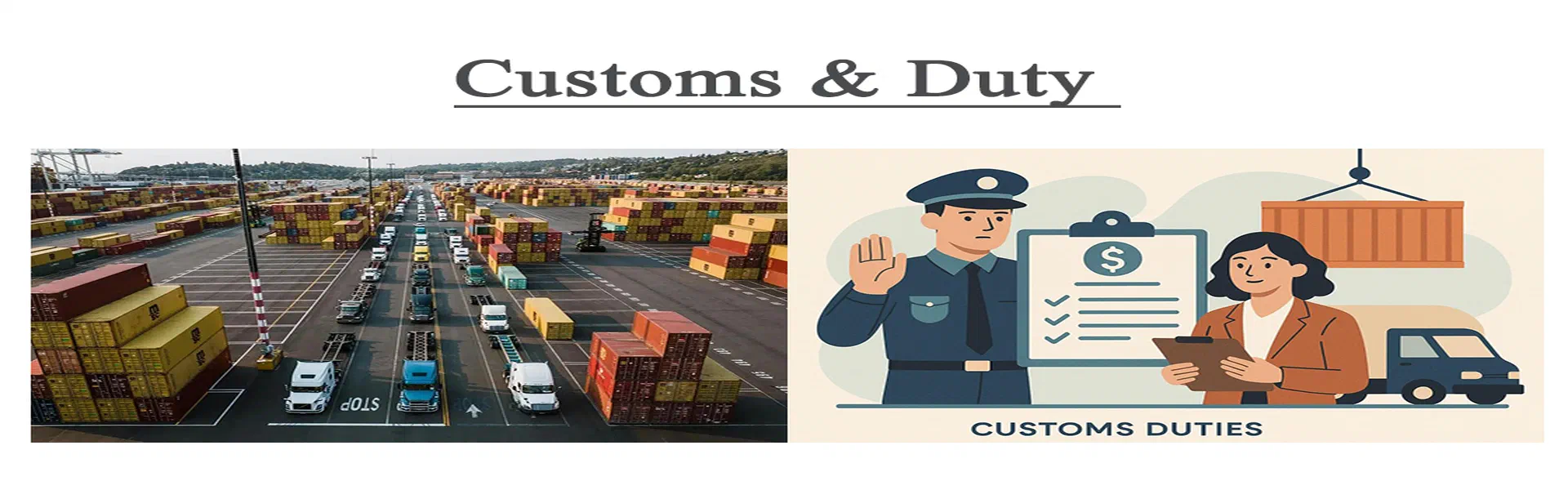
Customs clearance requirements vary by destination. In markets such as Ghana, Nigeria, Kenya, Uganda, and Tanzania, import procedures may involve documents such as commercial invoices, packing details, shipping documents, certificate of origin, and other local customs forms. Some markets require additional procedures, such as import forms or assessment documents, depending on current regulations.
Duty calculation is usually linked to the customs valuation method used by the destination authority. Many systems consider factors based on the vehicle value, shipping cost, insurance, vehicle characteristics, and applicable local rules. Age-related adjustments or penalties may exist in some markets, but requirements differ and should be confirmed with local customs authorities or a licensed clearing agent.
Valuation disputes can delay release if customs officials question the declared value. Clear invoices, consistent vehicle information, and complete supporting records help reduce this risk. A local clearing agent is often responsible for submitting documents, handling inspections, and communicating with customs offices after arrival.

Shipping method and exporter assessment
Used vehicles from China are commonly shipped by RoRo vessel or loaded into containers. RoRo shipping is designed for rolling cargo and can be suitable for vehicles prepared according to carrier requirements. Container shipping may provide different loading options and protection considerations, especially when handling selected vehicles or mixed cargo arrangements.
Exporters should explain the shipping method, required documents, and expected process stages before payment. A buyer should check whether the company manages export licensing, customs declaration, inspection coordination, and communication with destination partners.
Payment terms should be reviewed carefully. International vehicle transactions commonly use staged payments linked to order confirmation, inspection completion, and shipping documentation, but exact arrangements depend on the agreement between buyer and exporter. Buyers should understand when ownership documents are transferred and what records are provided after payment.
Common problems in used vehicle imports include incomplete paperwork, mismatch between vehicle details and documents, unclear repair history, and delays caused by customs review. These issues are usually easier to manage when inspection records and communication channels are established before shipment.
Destination rules also require attention. Most Chinese domestic vehicles are left-hand drive, which suits many markets but may not fit countries that require right-hand-drive vehicles. Import regulations related to vehicle age, emission standards, roadworthiness, and registration requirements change by country, so buyers should confirm current requirements before purchasing.
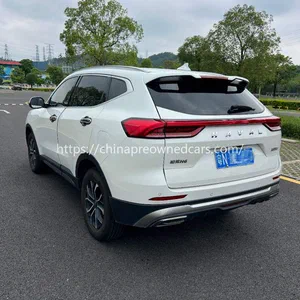
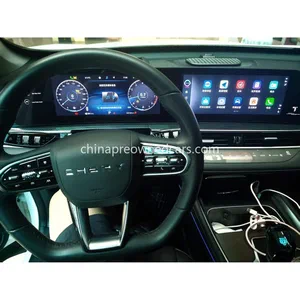
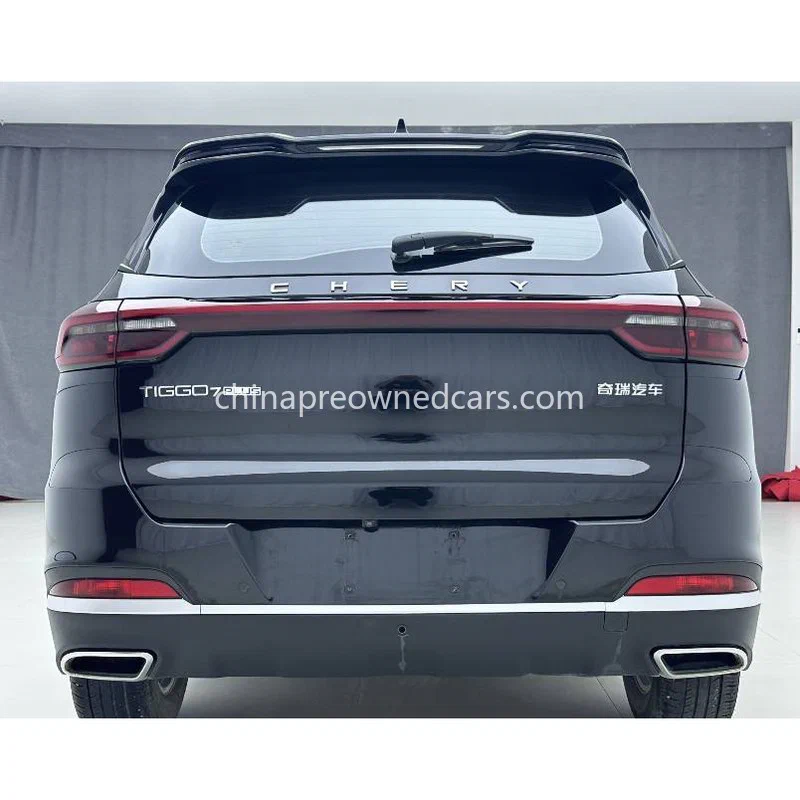
For exporters serving African markets, models such as Chery Tiggo 7 Plus, Chery Tiggo 8 Pro, Geely Coolray, and Haval H6 are evaluated based on local driving conditions, maintenance availability, fuel or charging access, and customer demand. The final selection should consider both vehicle specifications and destination regulations.
FAQ
Q: What should be checked before buying a used vehicle for export? A: Buyers should verify VIN information, mileage records, accident history, service documents, and vehicle condition through inspection records. Electric vehicles also require battery health checks.
Q: What customs documents are usually needed for imported used cars? A: Common documents include commercial invoices, shipping documents, export-related paperwork, certificate of origin, and destination-specific customs forms. Requirements vary by country.
Q: Is RoRo or container shipping better for used vehicles? A: The suitable method depends on vehicle type, destination port requirements, and shipping arrangements. Buyers should compare protection needs, cost structure, and carrier requirements before choosing.