
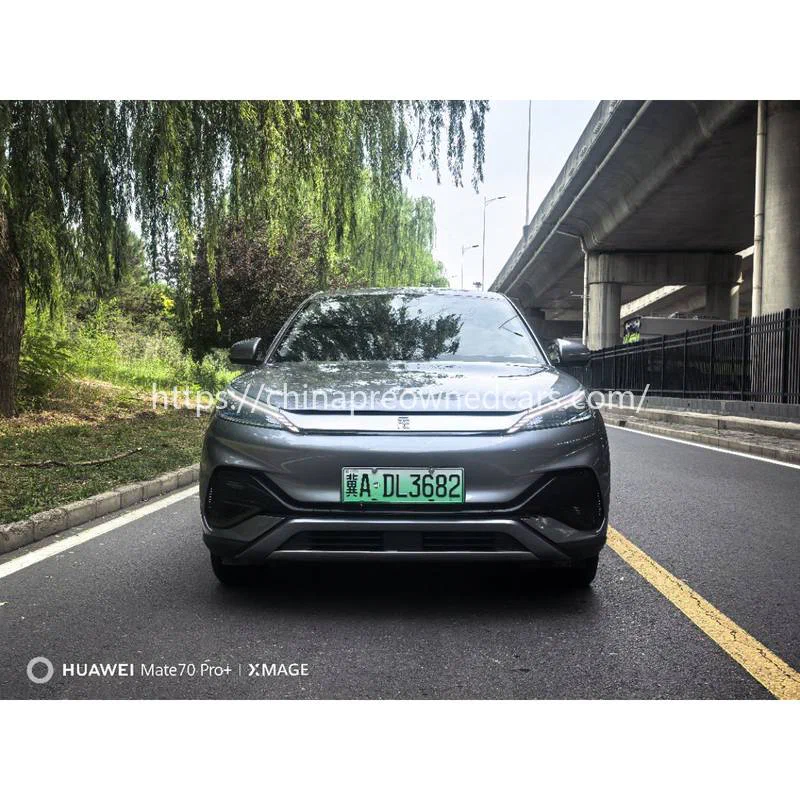
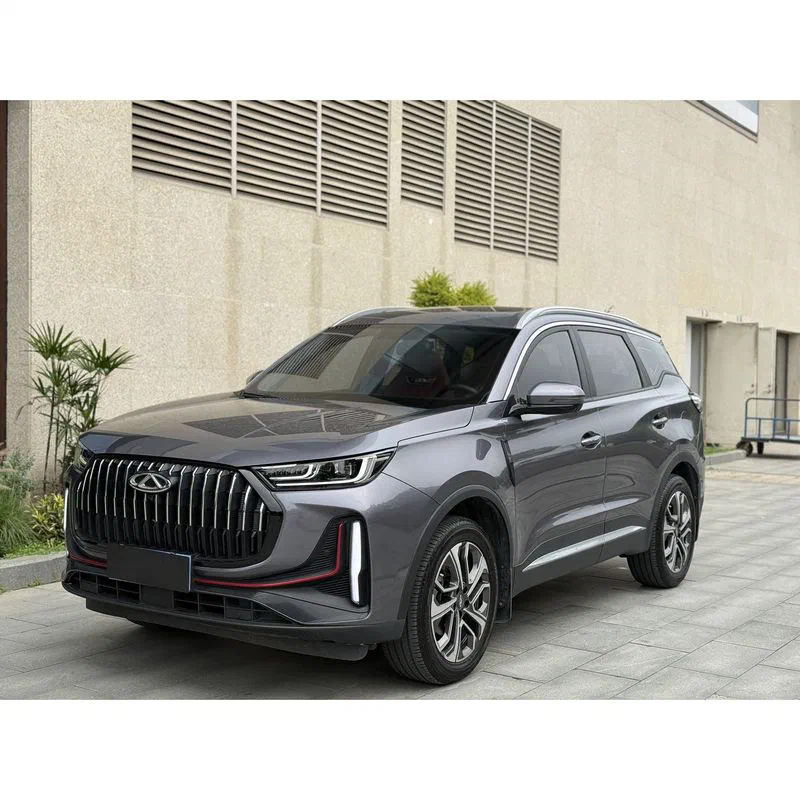
When selecting vehicles for export to markets in Africa, the Middle East, and South America, the choice between hybrid and electric drivetrains depends on specific operational and regulatory factors. Evaluating powertrain efficiency, emissions compliance, and infrastructure compatibility is essential. This article compares these aspects to help importers make informed decisions, referencing models like the BYD Atto 3 and Chery Tiggo 7 Plus.
Hybrid SUVs, such as the Haval H6 and Chery Tiggo 8 Pro, combine an internal combustion engine with an electric motor, offering extended range and flexibility in regions without widespread charging infrastructure. Fuel consumption is lower than traditional combustion engines, which can be advantageous in destinations where fuel costs are high. However, hybrids still emit greenhouse gases, so their compatibility with stricter emission standards should be confirmed for each market. Importers should also ensure that spare parts for both the engine and electric components are readily available locally to minimize downtime.
Electric SUVs like the BYD Atto 3 provide zero-emission transportation, an increasingly attractive feature in countries prioritizing environmental regulations. However, their feasibility depends on the availability of charging stations and the compatibility of the vehicle’s charging system with the local grid. Battery health is another critical factor, as it directly impacts the vehicle’s range and resale value. Importers are advised to request detailed battery state-of-health reports and verify the charging standard compatibility before purchase. Shipping electric vehicles requires adherence to specific regulations for lithium-ion battery transportation, adding to logistics considerations.
Customs and import duties also differ based on drivetrain type. Most markets calculate duties on a CIF (Cost, Insurance, Freight) basis, with age-based penalties potentially affecting older hybrids more significantly. Required documents like the certificate of origin and pre-shipment inspection reports should be meticulously prepared to avoid clearance delays. In some cases, valuation disputes can arise, often requiring the intervention of a local clearing agent. Understanding the specific import regulations of each market, such as restrictions on vehicle age and emissions, is crucial to ensure smooth customs clearance.
Ultimately, the decision between hybrid and electric vehicles should balance operational needs, regulatory compliance, and total cost of ownership. While hybrids offer versatility and an established service network, EVs align better with long-term environmental goals and may benefit from lower import duties in markets promoting green technology. Importers should confirm current regulations and infrastructure conditions in their target markets to make the most strategic choice for their dealership used car inventory.


FAQ
Q: What should I verify before purchasing a used electric SUV for export? A: Check the battery state-of-health, charging standard compatibility, and availability of local charging stations in the destination market.
Q: What are the main documents required for clearing customs? A: Essential documents include a certificate of origin, pre-shipment inspection report, and any destination-specific forms like Form M in Nigeria.