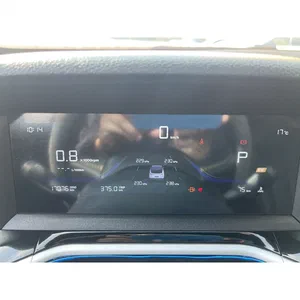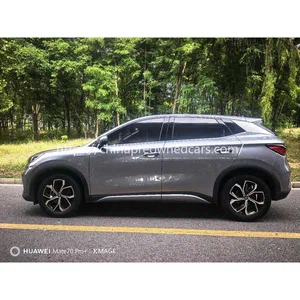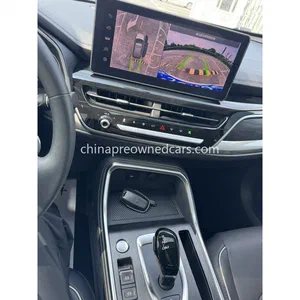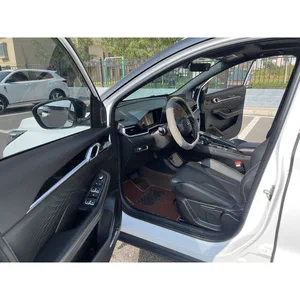
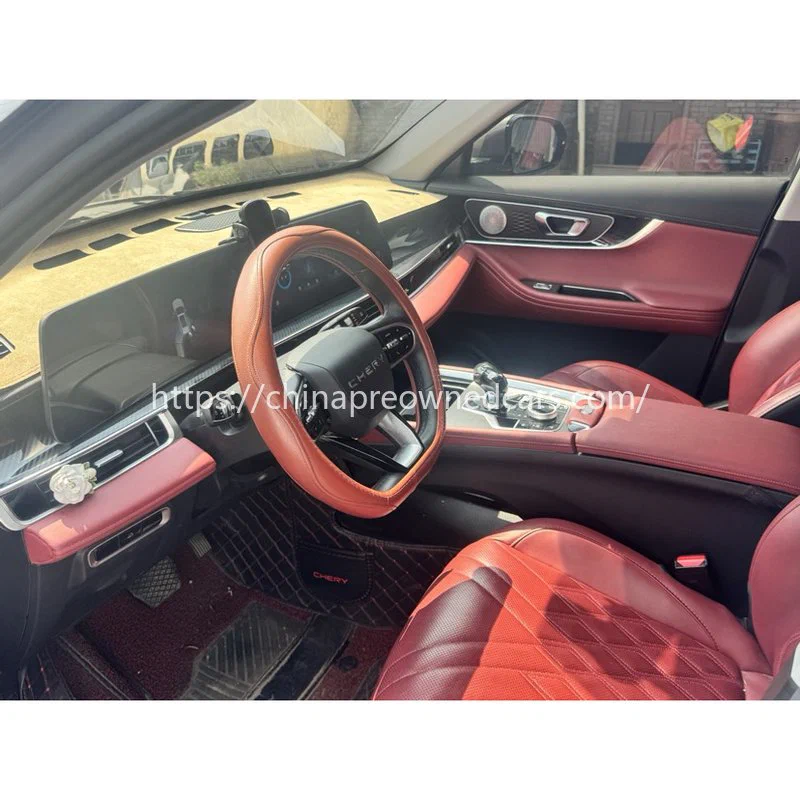
Nigeria’s vehicle import market presents unique challenges and opportunities for buyers and exporters of hybrid SUVs. Import regulations, road conditions, and fuel infrastructure all play a role in determining the suitability of specific models. This article examines these factors and highlights how models like the BYD Atto 3, Chery Tiggo 7 Plus, and Haval H6 align with Nigeria’s requirements.
Vehicle Import Requirements and Infrastructure in Nigeria
Nigeria predominantly operates left-hand drive (LHD) vehicles, making Chinese domestic models a natural fit. However, buyers need to verify that the vehicle complies with Nigeria’s age and emission standards. Older vehicles or those without appropriate emission certification may face higher import duties or outright rejection. Most hybrid SUVs from Chinese brands are relatively new and often meet international emission standards, making them competitive choices. The BYD Atto 3 and Chery Tiggo 8 Pro, for example, are known for their advanced hybrid systems and compliance with global emission norms.
Nigeria’s road conditions range from well-paved urban highways to rural roads in need of repair. Vehicles with robust suspension systems and higher ground clearance, such as the Haval H6 and Geely Coolray, are better suited to handle these challenges. Additionally, the availability of fuel and electric vehicle (EV) charging infrastructure is uneven. Hybrid models that can switch between electric and combustion modes provide greater flexibility for regions where charging stations are sparse.
Customs and Duty Process: Key Considerations
Import duties in Nigeria are calculated on a Cost, Insurance, and Freight (CIF) basis, which includes the vehicle’s purchase price, shipping cost, and insurance. Buyers should anticipate additional charges if the vehicle exceeds age limits or lacks proper documentation. Essential documents include a Form M, Pre-Arrival Assessment Report (PAAR), certificate of origin, and a clean pre-shipment inspection report. Disputes over customs valuation can occur, particularly if the declared value differs from the presumed market value. Hiring a reliable clearing agent helps streamline the process and mitigate delays.
RoRo (Roll-on/Roll-off) shipping is often the most cost-effective method for vehicle exports to Nigeria, particularly for bulk shipments. Container shipping, though more expensive, offers added security and is preferred for high-value units like electric or hybrid SUVs. Buyers should factor in shipping lead times, which typically range from 15 to 25 days depending on the port of departure and shipping method.
Selecting the Right Hybrid SUV Model
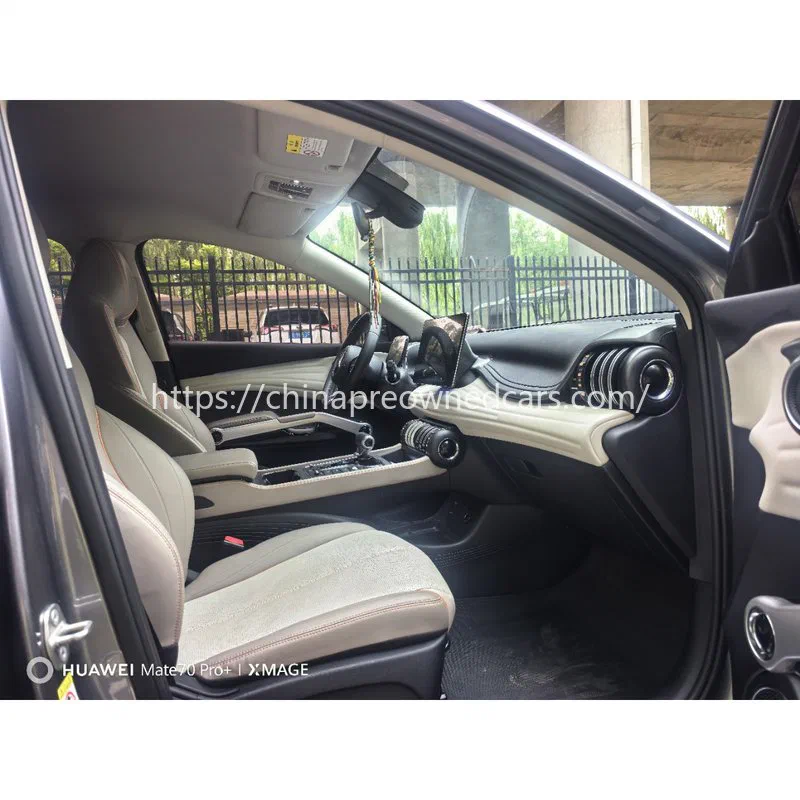
When choosing a hybrid SUV for import to Nigeria, buyers should focus on durability, fuel efficiency, and ease of maintenance. Models like the Chery Tiggo 7 Plus are equipped with advanced hybrid systems and user-friendly features, making them low-maintenance options. Battery health is another critical factor for hybrid and electric models. Buyers are advised to request a battery state-of-health report and verify it during pre-shipment inspections. Certified pre-owned vehicles often undergo rigorous checks, providing additional assurance of quality.
Additionally, spare parts availability is a practical consideration. Chinese brands such as BYD, Chery, and Haval are gaining traction in African markets, meaning parts are increasingly accessible. Discussing after-sales support with the exporter can further ease the ownership experience.

Avoiding Common Pitfalls
Shipment delays often stem from incomplete or inaccurate documentation. Buyers should ensure all required forms and certificates are in order before the vehicle ships. Pre-shipment inspections verify the vehicle’s condition and compliance with Nigerian regulations, reducing the risk of customs delays. Payment terms should also be clearly defined, with escrow services offering additional security for large transactions.

Lastly, buyers should confirm the current import regulations for Nigeria, as these may change. Collaborating with an experienced exporter simplifies the process and ensures compliance with the latest rules.
FAQ
Q: What documents are required to import a vehicle into Nigeria?
A: Key documents include Form M, PAAR, certificate of origin, a clean pre-shipment inspection report, and relevant customs declarations.
Q: What shipping method is recommended for hybrid SUVs?
A: RoRo shipping is cost-effective for bulk imports, while container shipping offers better protection for high-value hybrid models.