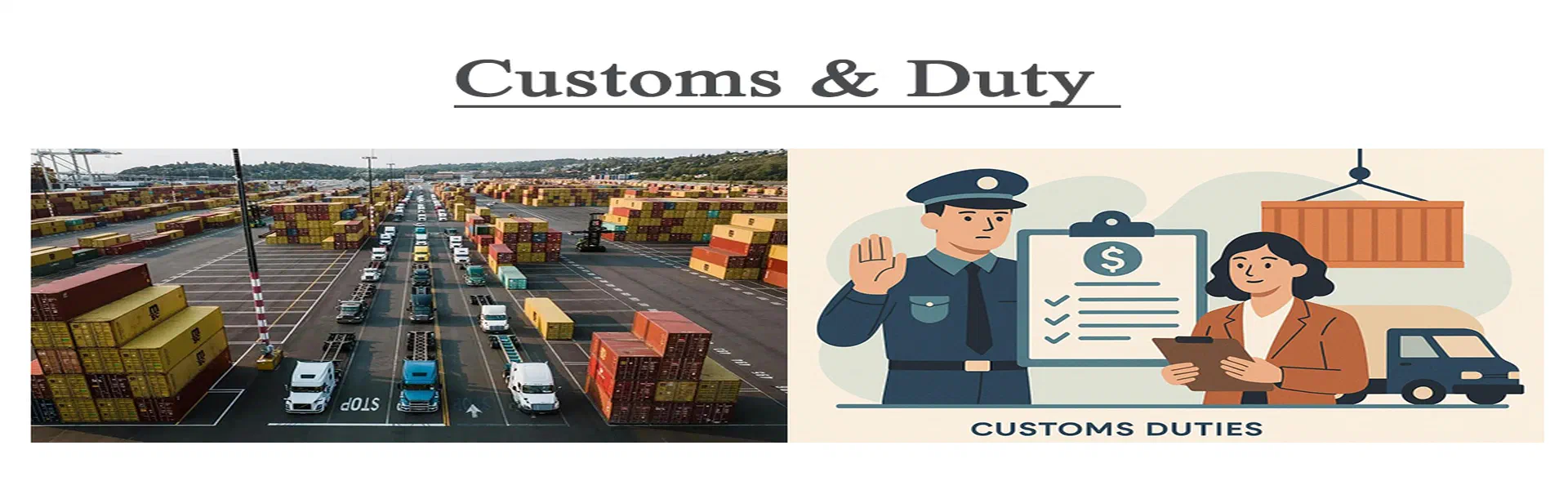
When importing used vehicles from China into West Africa or North Africa, the customs value used for duty calculation is not always the same as the invoice price you receive from the exporter. Customs authorities assess the vehicle’s value using their own valuation methods, which directly affects import duty, port charges and your final landed cost.
Why customs value can differ from your invoice
Many buyers assume that a lower purchase invoice means lower import taxes, but customs offices usually review more than the declared price. They may consider the vehicle model, year, engine size, mileage, condition, market references and available customs valuation databases.
For dealers and fleet buyers in Ghana, Nigeria and other African markets, this means the real cost of a used Chinese vehicle includes more than the FOB or CIF purchase price. A vehicle bought at a competitive price can still face higher duty if customs determines that the declared value does not match the expected market value.
Factors that influence the final import cost
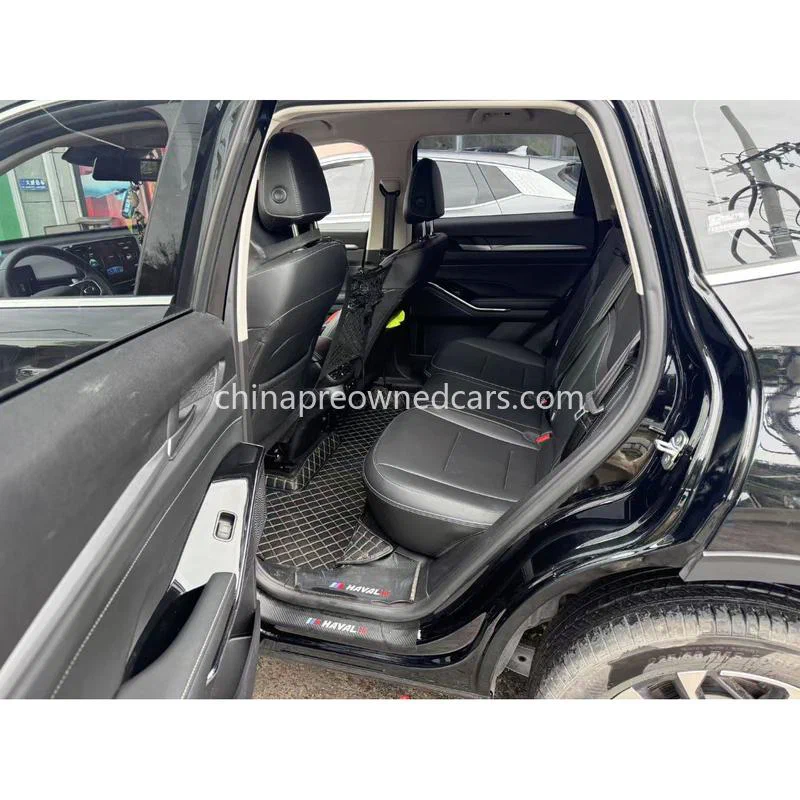
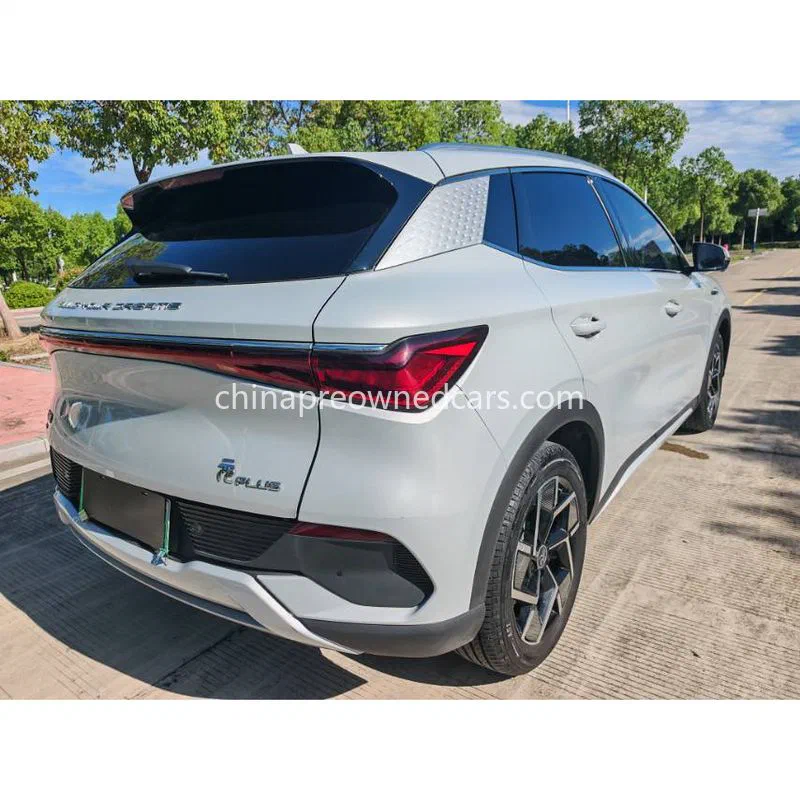
The vehicle’s condition and specifications play an important role in valuation. A left-hand-drive vehicle exported from China with complete service records, accurate mileage and clear documentation is easier to evaluate and process. Poor maintenance history, unclear ownership records or inconsistent mileage information can create delays and additional inspection concerns.
Other costs must also be included when calculating your investment:
- Purchase price from the Chinese supplier
- Shipping cost by RoRo or container shipping
- Insurance and CIF charges when applicable
- Customs duty and taxes
- Port clearance fees
- Inland transport after arrival
A realistic landed cost calculation helps importers decide whether a vehicle has enough margin for resale or fleet operation.
How experienced importers manage customs risk
Professional buyers do not focus only on the lowest invoice price. They compare the expected customs value, import duty structure and local market resale price before confirming a purchase. Selecting popular models with strong demand, reliable parts supply and good fuel economy can improve profitability even when customs valuation is higher than expected.
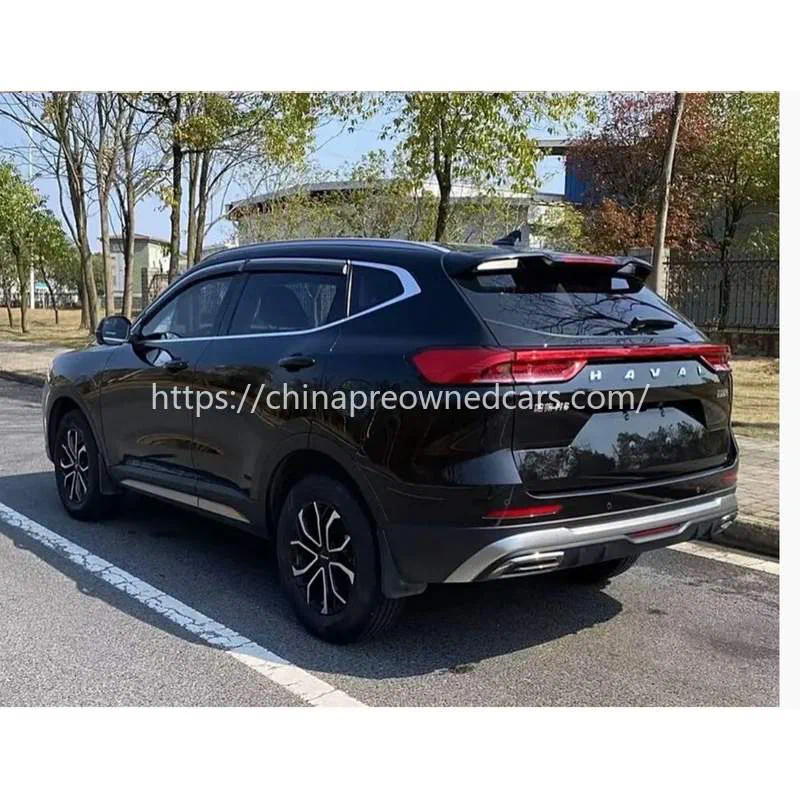
Working with a supplier that provides proper export documents, vehicle inspection reports and accurate specifications reduces problems during clearance. For left-hand-drive Chinese vehicles entering African markets, preparation before shipment is often the difference between a smooth delivery and expensive delays.
FAQ
Q: Can I reduce import duty by showing a lower vehicle invoice? A: Customs authorities may reject an unusually low declared value and apply their own valuation. A realistic invoice supported by proper documents is safer.
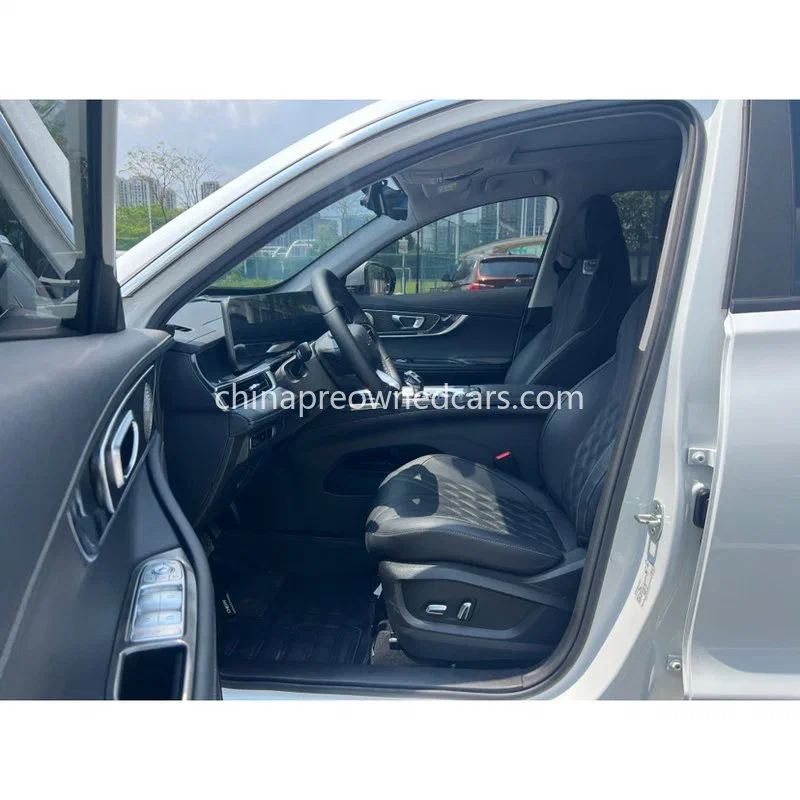
Q: Does the vehicle condition affect customs valuation? A: Yes. Mileage, maintenance records, damage history and overall condition can influence how customs evaluates a used vehicle.
Q: What should importers calculate before buying from China? A: Buyers should calculate the full landed cost, including vehicle price, shipping, customs duty, port clearance and local delivery expenses.