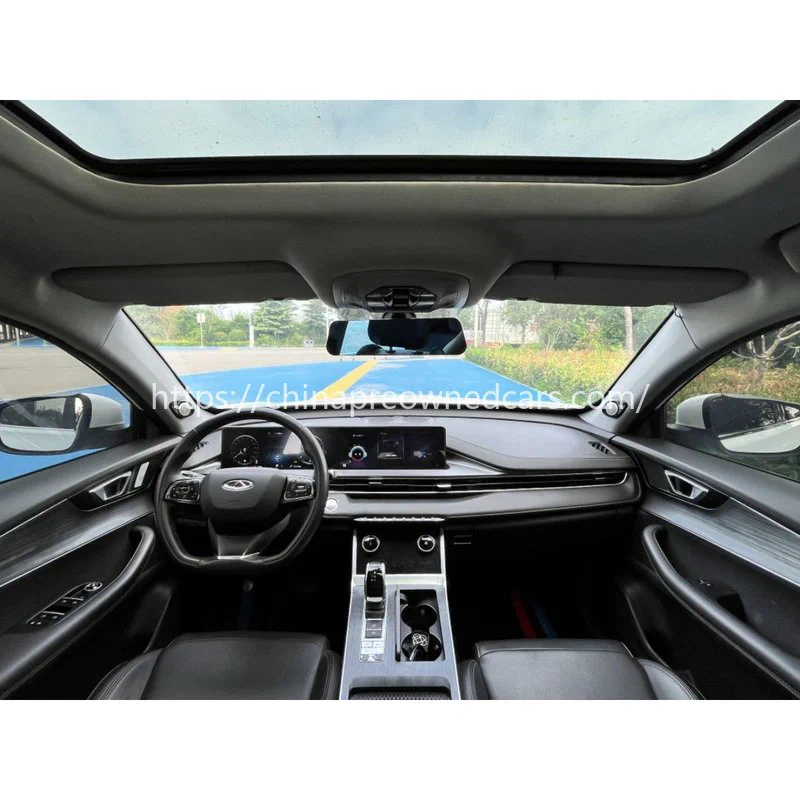
Vehicle condition is a key factor in determining export value and pricing for Chinese used vehicles. This article explains how exporters assess condition, how buyers can verify quality claims, and how customs valuation can be affected by vehicle records and inspection results.
Vehicle grading and export condition checks
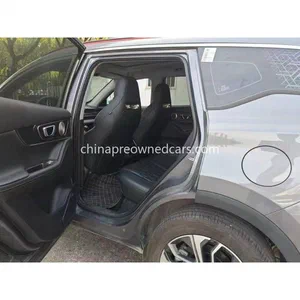
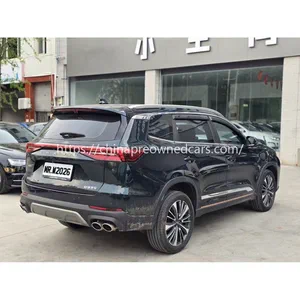
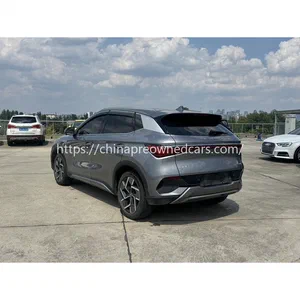
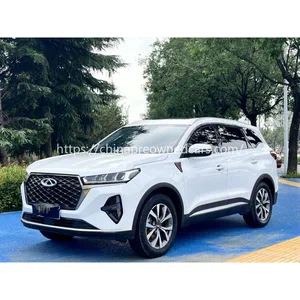
Used vehicle assessment normally starts with cosmetic condition, mechanical health, mileage records, and service history. Cosmetic checks cover paint, body panels, interior wear, lights, glass, and signs of repair. Mechanical inspection reviews engine or motor performance, transmission operation, suspension, braking systems, and electrical functions. For electric and hybrid SUVs such as BYD Atto 3 and Chery Tiggo 8 Pro, battery health records and charging performance require additional attention.
Mileage is reviewed as a condition indicator rather than a single pricing factor. A lower mileage band may support a stronger valuation, but verification through service records, vehicle history, and VIN checks is necessary. Buyers researching how to price my used vehicle should focus on documented condition instead of mileage alone. Export-grade or dealer-grade generally refers to vehicles selected after inspection and preparation processes, but it does not mean every component is guaranteed to be free from future maintenance needs.

Customs valuation and export documentation
Vehicle condition information also affects customs processes because many markets assess import value using factors such as vehicle type, declared value, age, and condition evidence. Customs duty is commonly calculated using a CIF basis, which considers cost, insurance, and freight. Some markets apply additional considerations related to vehicle age or other classification rules, so importers should confirm current requirements with local authorities.
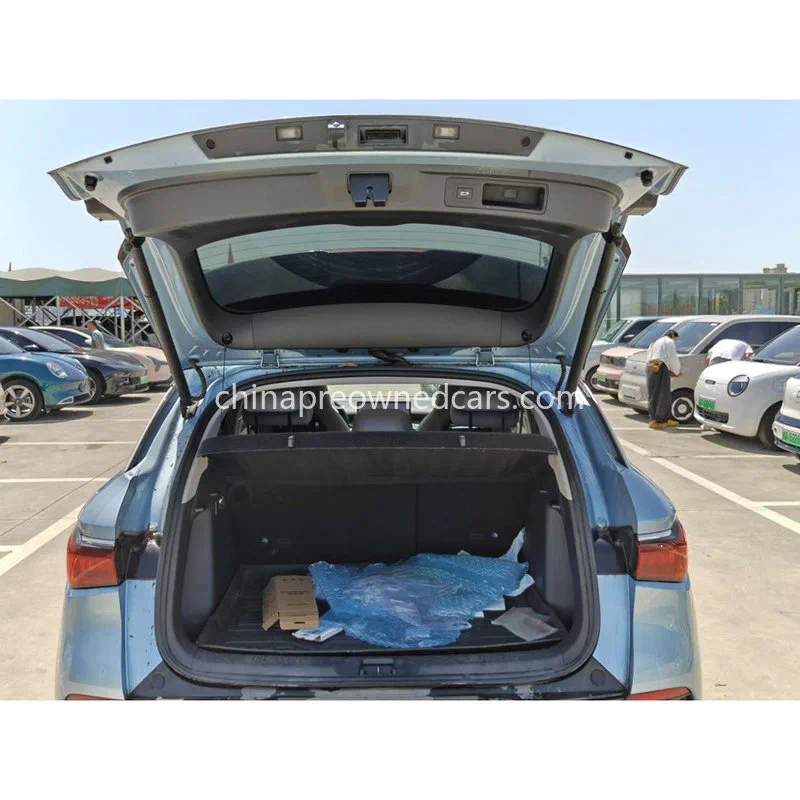
For shipments to markets including Ghana, Nigeria, Kenya, Uganda, and Tanzania, documentation accuracy is essential. Export procedures typically involve export licensing, customs declaration, pre-shipment inspection, and shipping documents. For Nigeria, importers may need documents such as Form M and PAAR depending on the transaction and current regulations. Certificate of origin and vehicle ownership records may also be required. Missing information or valuation disputes can delay customs clearance, making a qualified clearing agent important.
Inspection reports should be reviewed carefully before purchase. A buyer can confirm inspection scope, photos, VIN details, service documents, battery health records for EVs, and any listed defects. However, an inspection represents a condition check at a specific time and does not predict all future repairs. Red flags include unclear ownership history, inconsistent mileage records, major accident repairs, warning lights, damaged battery systems, and missing maintenance information.
Shipping and market fit
After assessment and documentation, vehicles are shipped through methods such as RoRo or container shipping. The suitable method depends on vehicle type, destination requirements, and logistics planning. Most Chinese domestic vehicles are left-hand drive, so buyers in right-hand-drive markets must confirm compatibility before purchase. Import regulations for emissions, vehicle age, roadworthiness, and drive side vary by country and should be checked before shipment.
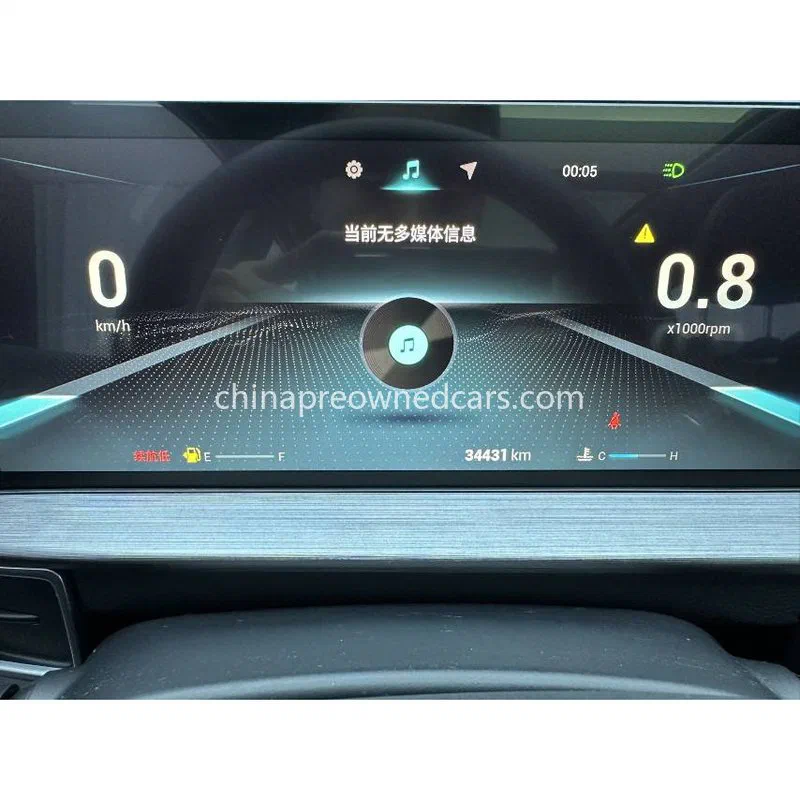
Condition evaluation helps connect vehicle selection with market demand. Models such as BYD Atto 3, Chery Tiggo 7 Plus, Geely Coolray, and Haval H6 may suit different buyer groups, but acceptance depends on local rules and operating conditions. Clear inspection records, correct customs documents, and realistic condition descriptions provide a stronger basis for trade decisions.
FAQ
Q: What should a buyer verify before importing a used vehicle from China? A: Buyers should verify VIN records, inspection details, mileage history, service records, battery condition for EVs, and destination import requirements.
Q: Does an export inspection guarantee a used vehicle has no problems? A: No. An inspection shows the vehicle condition at the inspection time but cannot guarantee future mechanical or electrical performance.