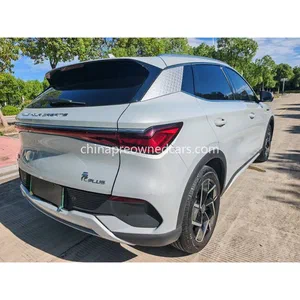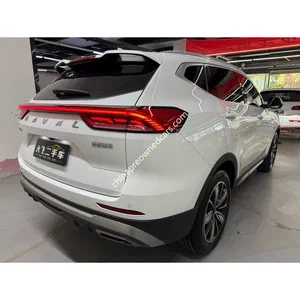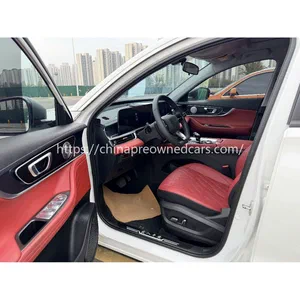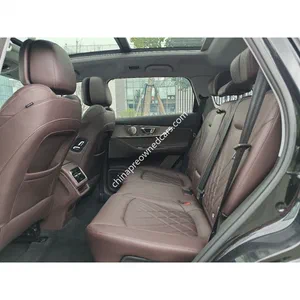
Exporting pre-owned luxury vehicles from China to markets in Africa, the Middle East, and South America involves a detailed workflow that includes pre-shipment inspection, export documentation, and shipping logistics. This process ensures that vehicles meet both the seller’s and destination market’s requirements. Understanding these steps can help buyers navigate the complexities of acquiring pre-owned luxury cars for sale.
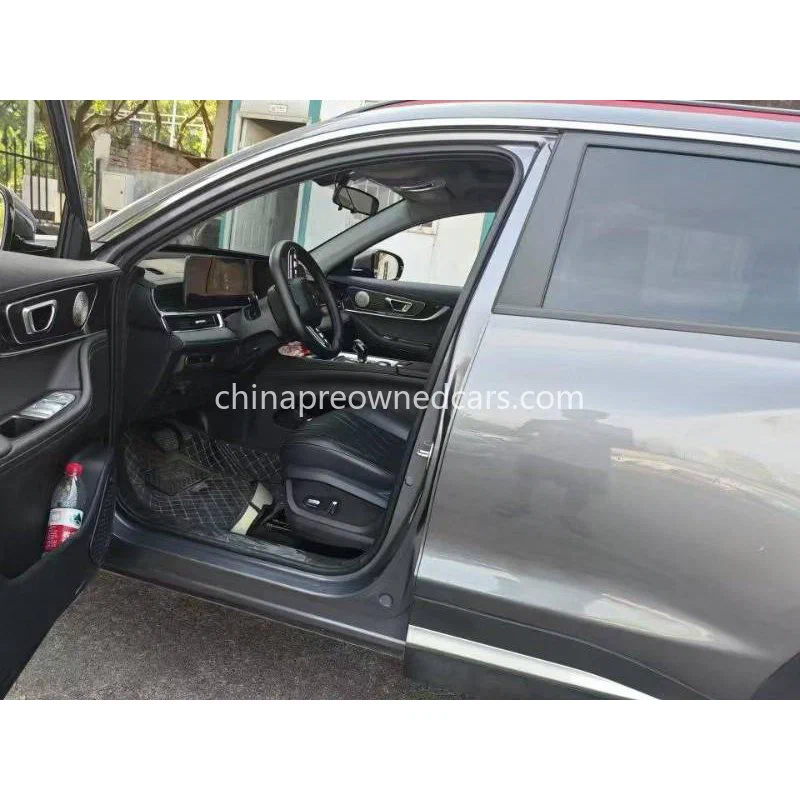
Pre-shipment inspection is crucial for assessing a vehicle’s condition before export. This inspection typically covers the vehicle’s exterior, interior, engine, and essential systems such as brakes and tires. Certification from the inspecting authority is usually required to confirm the vehicle’s roadworthiness. Buyers should request a detailed inspection report to verify the findings and ensure that the vehicle meets their expectations.
Export documentation is another vital aspect of the process. Key documents include the customs declaration, bill of lading, and certificate of origin. The customs declaration outlines the vehicle’s details and helps calculate duties and taxes. The bill of lading serves as proof of shipment and includes essential shipping information. The certificate of origin verifies the vehicle’s origin, which can affect tariff rates in the importing country. Buyers should ensure that all documentation is accurate and complete to avoid delays during customs clearance.
Shipping methods for exporting vehicles generally fall into two categories: Roll-on/Roll-off (RoRo) and container shipping. RoRo is often more cost-effective and allows vehicles to be driven directly onto the ship. However, it may expose vehicles to potential damage during transit. Container shipping, while more expensive, provides better protection from environmental factors and handling risks. The choice between these methods should consider both cost and the level of protection required for the specific vehicle.
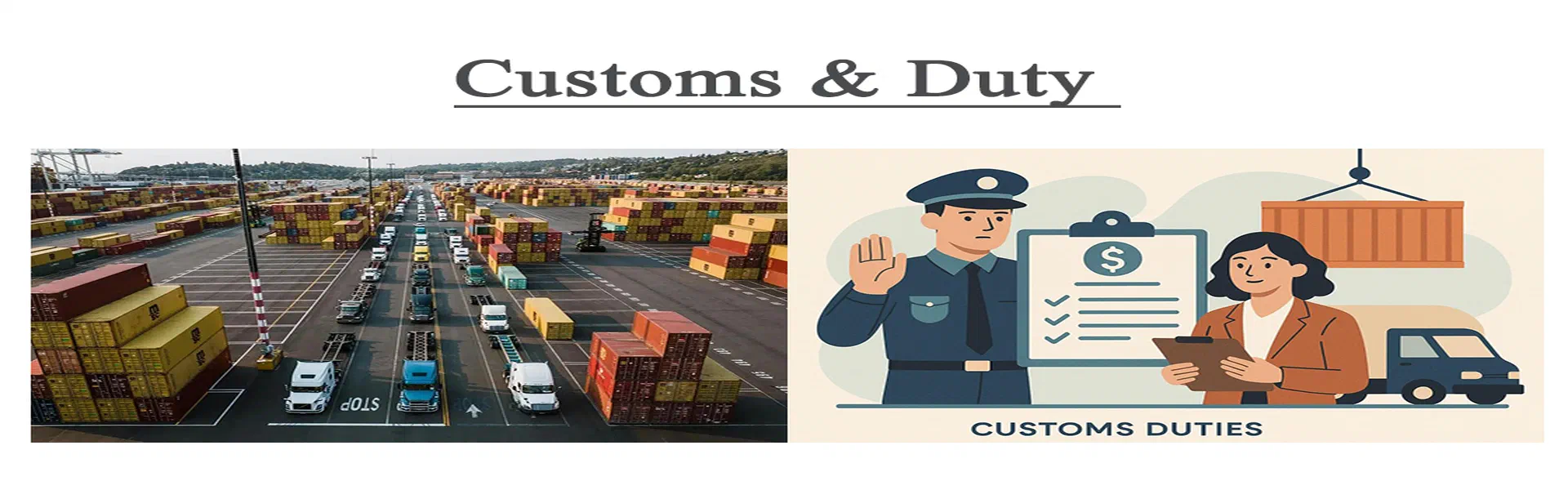
For customs clearance, understanding the destination country’s regulations is essential. Duties are typically calculated on a Cost, Insurance, and Freight (CIF) basis, and age penalties may apply depending on the vehicle’s age. Required documents like Form M and the PAAR (Pre-Arrival Assessment Report) must be submitted for customs processing. A clearing agent can assist in navigating these requirements, and delays often occur due to incomplete documentation or discrepancies in vehicle valuation.
Buyers should also be aware of practical considerations before making a purchase. Verifying the vehicle’s condition, understanding payment terms, and clarifying shipping lead times are all important. After-sales support can further enhance buyer confidence and satisfaction. It is advisable to engage with reputable exporters who can provide comprehensive information about the vehicle and the export process.

FAQ
Q: What is included in the pre-shipment inspection?
A: The pre-shipment inspection typically covers the vehicle’s exterior, interior, engine, and essential systems to ensure roadworthiness.
Q: How are customs duties calculated for imported vehicles?
A: Customs duties are usually calculated based on the CIF value of the vehicle, and age penalties may apply depending on the vehicle’s age.
Q: What shipping methods are available for exporting vehicles?
A: Vehicles can be shipped via RoRo, where they are driven onto the ship, or container shipping, which offers better protection but at a higher cost.