
Evaluating used car purchase websites is a critical step for businesses seeking to export electric and hybrid SUVs to African, Middle Eastern, and South American markets. This process involves understanding vehicle-specific features, ensuring compliance with export regulations, and assessing market requirements. For electric vehicles (EVs) in particular, factors such as battery health, charging compatibility, and transport and customs considerations are essential.
Assessing Battery Health and Longevity
Battery state-of-health (SoH) is one of the most important metrics for evaluating used EVs. This figure reflects the remaining usable capacity of the battery compared to its original specifications, which directly impacts range and resale value. Reliable platforms often provide diagnostic reports or allow third-party inspections to verify battery SoH. Exporters should also consider whether the climate and infrastructure in the destination market favor EV longevity, as high temperatures or poor charging practices can accelerate degradation.
Charging Standards and Market Compatibility
EV charging connectors vary by region, with the most common being GB/T in China, CCS in Europe and the Americas, and CHAdeMO in select markets like Japan. Buyers sourcing vehicles for export must ensure the model supports the charging standard prevalent in the target region or confirm the availability of adapters. Additionally, the presence of public charging infrastructure in the destination country is a key factor for market acceptance. For instance, countries like Kenya and Nigeria are gradually expanding EV charging networks, but the pace of development varies widely.
Battery Transport and UN 3480 Compliance
Shipping EVs internationally requires adherence to strict regulations for transporting lithium-ion batteries, classified as dangerous goods under UN 3480. Proper documentation, packaging, and labeling are mandatory, and non-compliance can result in shipment delays or penalties. RoRo shipping is often preferred for EVs due to fewer handling risks, though containerized shipping may be required for certain destinations or high-value vehicles. Exporters should work closely with freight forwarders experienced in battery transport to mitigate risks.
Customs Valuation and Documentation
Import duties for used vehicles, including EVs, are typically calculated on a CIF (cost, insurance, and freight) basis. Many African and Middle Eastern countries also apply age-based penalties or additional taxes for older vehicles. Required documentation can include a certificate of origin, Form M, Pre-Arrival Assessment Report (PAAR), and proof of pre-shipment inspection. It is critical to ensure all documents are accurately prepared to avoid valuation disputes at customs, which can lead to delays and increased costs.
Market-Specific Regulations
Each target market has unique requirements for vehicle imports. For example, Ghana and Nigeria both allow left-hand drive (LHD) vehicles, which align well with the Chinese used vehicle market. However, emission standards and age restrictions can differ. Exporters need to verify current regulations for each destination, particularly for hybrid models that combine internal combustion engines with electric motors. Missteps in compliance can result in denied entry or additional fees.
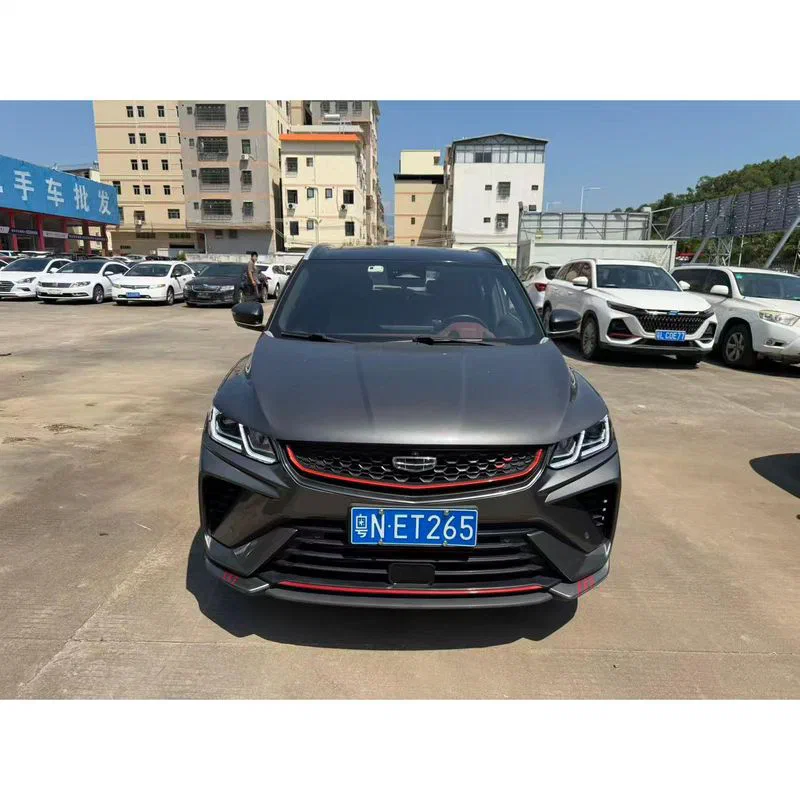

Practical Considerations for Buyers
Before finalizing a purchase, buyers should request a full vehicle history report, including accident records, maintenance logs, and mileage verification. Payment terms should be agreed upon in advance, with clear conditions for deposits, balance payments, and escrow services where applicable. Shipping lead times can vary depending on the destination and shipping method, with RoRo transport typically faster but less flexible than container shipping. After-sales support, especially for EV-specific components like batteries and inverters, should also be considered when choosing a supplier.
FAQ
Q: What documents are required for importing used EVs into African countries? A: Common documents include a certificate of origin, Form M, PAAR, proof of pre-shipment inspection, and any country-specific emission or vehicle age certifications.
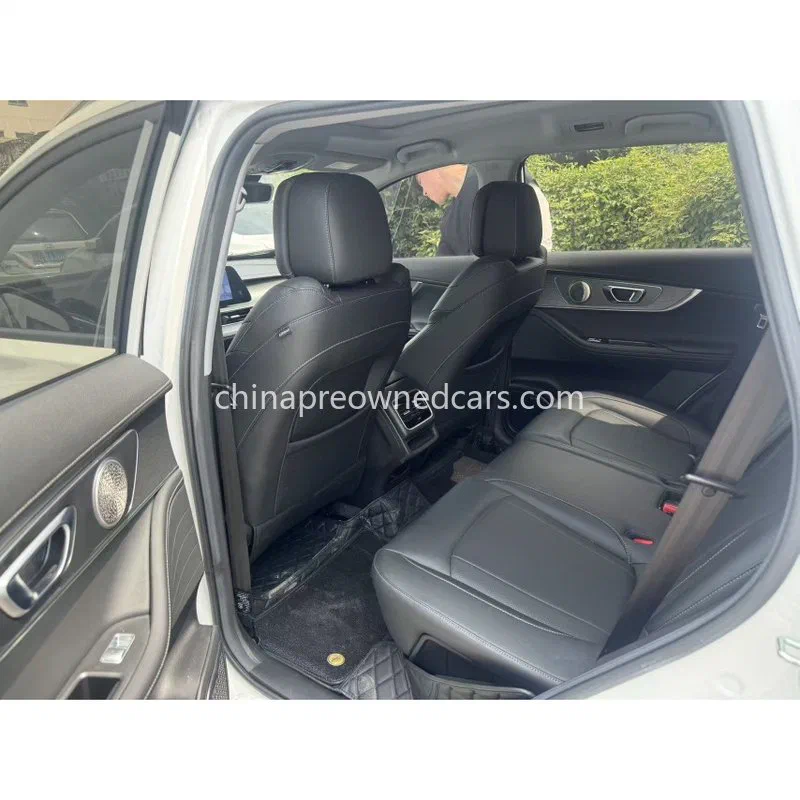
Q: How can I confirm the battery health of a used EV before purchase? A: Request a battery state-of-health (SoH) report from the seller or arrange for an independent third-party inspection to verify the battery’s condition.