
The export of a pre-owned vehicle from China involves several stages: vehicle inspection, export documentation, customs declaration, port handling and international shipping. For buyers in Ghana, Nigeria, Kenya, Uganda and Tanzania, understanding the customs process is particularly important because import duties, vehicle valuation and eligibility requirements differ by destination.
1. Vehicle Inspection and Export Preparation

The process begins with vehicle selection and a pre-shipment inspection in China. Before a vehicle enters the export process, its identity, mechanical condition and documentation need to be checked. This establishes a record of the vehicle being prepared for shipment and helps reduce disputes after arrival.
The inspection should cover the VIN, registration records, exterior panels, paint condition, glass, tyres, lights, suspension, braking system and engine operation. A road test, where practical, can help identify transmission problems, steering issues and unusual noises. The inspector should also check for previous accident repairs, signs of water damage, corrosion and inconsistencies between the vehicle’s recorded mileage and physical condition.
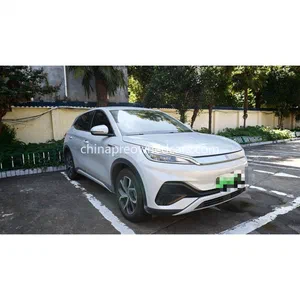
For electric and hybrid vehicles, additional checks apply. A BYD Atto 3, for example, requires attention to battery state of health, charging operation, battery warning records and the condition of high-voltage components. These details matter because battery degradation can affect both vehicle value and expected operating range. A diagnostic report is more useful than a general statement that the battery is in good condition.
Export inspection and certification requirements must also be considered. China requires applicable export inspection procedures before shipment, alongside export licensing and customs declaration. The exact inspection documents depend on the vehicle category and current regulatory requirements. Buyers should request copies of available inspection records and confirm that the exporter has arranged the required procedures rather than assuming a commercial condition report replaces official certification.
2. Export Documents and Customs Valuation
Once the vehicle passes the necessary checks, the exporter prepares the documents for customs clearance. The export declaration records the vehicle details and shipment information. Accurate descriptions are essential: the make, model, VIN, year, vehicle type and declared value should agree across the relevant paperwork.
The main export and shipping documents generally include:
- Commercial invoice showing the transaction value and seller details.
- Vehicle purchase or sales agreement.
- Export customs declaration.
- Certificate of origin, where required by the destination or transaction.
- Pre-shipment inspection records and applicable certificates.
- Bill of lading issued after the carrier accepts the cargo.
- Packing list or vehicle particulars where required by the shipping arrangement.
The certificate of origin identifies the country in which the vehicle originated. It should not be confused with a shipping document. The bill of lading, by contrast, records the carrier’s receipt of the vehicle and provides essential information for cargo release at the destination port.
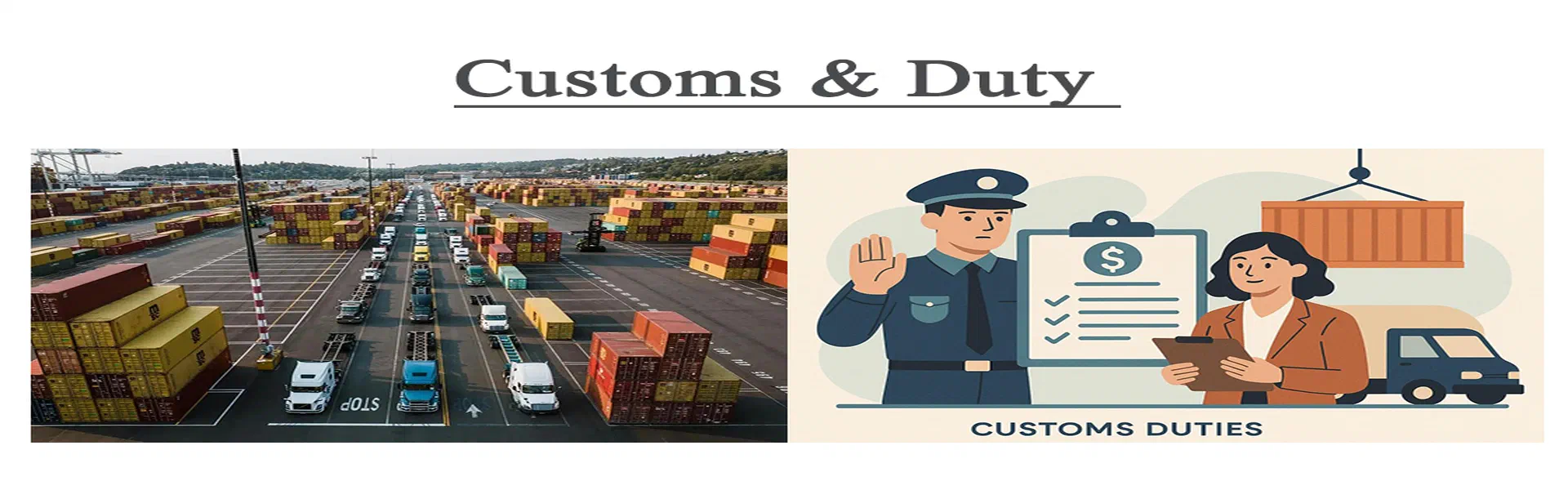
Customs valuation is a separate issue from the exporter’s selling price. Many destination authorities use the CIF basis, which generally includes the vehicle’s cost, insurance and freight to the relevant port. The applicable customs valuation rules determine how these elements are assessed. Additional charges, taxes and administrative fees may then apply.
Age-related penalties or valuation adjustments can affect the final duty calculation in some markets. The treatment varies by country and vehicle category. Buyers should obtain a current assessment before confirming a purchase, particularly when importing older vehicles or electric models with unusual valuation characteristics.
A customs authority may challenge the declared value if it appears inconsistent with comparable vehicles, available transaction evidence or its valuation database. An undervalued invoice can therefore create delays rather than reduce the final import cost. Supporting documents should include the actual purchase agreement, payment evidence and vehicle specifications. If customs requests clarification, the importer or appointed clearing agent must respond with consistent records.
3. Shipping Methods, Port Handling and Transit Time
After export clearance, the vehicle moves to the designated Chinese port for loading. The two main shipping methods are Roll-on/Roll-off (RoRo) and container shipping. The appropriate choice depends on vehicle dimensions, shipping availability, budget and the buyer’s tolerance for handling exposure.
RoRo vessels carry vehicles that are driven or moved onto dedicated vehicle decks. This method is commonly suitable for standard SUVs such as the Chery Tiggo 7 Plus, Chery Tiggo 8 Pro, Geely Coolray and Haval H6. It can be economical when a suitable sailing is available and the vehicle meets the carrier’s acceptance requirements.
Container shipping places the vehicle inside a secured freight container. It may suit buyers who want a more controlled cargo arrangement, particularly when shipping a higher-value vehicle or combining the vehicle with permitted accessories. However, container loading, securing and unloading require careful handling. Incorrect lashing can cause movement damage during transit. Container shipping can also involve additional loading and handling charges.
Neither method eliminates transport risk. RoRo vehicles may be exposed to more handling during port operations, while containers introduce risks associated with loading, securing and moisture control. Buyers should establish which party is responsible for marine insurance, confirm the insured value and review exclusions before shipment.
Port handling includes vehicle acceptance, export checks, terminal processing and loading. After arrival, the destination port completes its own cargo procedures before the vehicle can be released. Shipping schedules depend on vessel availability, route, transshipment arrangements and port congestion. Export preparation and customs processing in China may take several working days or longer if documents require correction. Ocean transit can take several weeks, depending on the destination and service. Port storage, inspections and customs queries can extend the total delivery period.
4. Destination Customs: Nigeria and Other African Markets
Destination customs clearance is where country-specific procedures become especially important. The same pre owned auto shipment may face different documentation, valuation and duty requirements depending on its destination.
Nigeria has additional import documentation procedures that buyers should arrange before shipment. These include Form M and the Pre-Arrival Assessment Report (PAAR), which are part of the country’s import processing framework. The importer should coordinate with an authorised bank and the relevant customs process to ensure that the information submitted matches the commercial invoice, shipping details and vehicle particulars.
For shipments to Nigeria, the clearing agent should confirm the current requirements for Form M, PAAR, vehicle valuation and applicable duties before the vehicle leaves China. Errors in the declared value or inconsistent vehicle descriptions can complicate assessment. The importer should also verify current restrictions relating to vehicle age, emissions and eligibility.
Ghana, Kenya, Uganda and Tanzania each apply their own customs and vehicle-import procedures. These can include age restrictions, roadworthiness requirements, applicable emission standards and taxes based on the vehicle’s assessed customs value. The rules may change, and the calculation method is not necessarily identical across the five markets.
Drive configuration requires early attention. Most Chinese domestic vehicles are left-hand drive (LHD). This can restrict their suitability for markets or vehicle categories that require right-hand drive. Buyers should confirm the current rules for their specific destination and vehicle before paying a deposit. A model’s availability in China does not automatically mean it is eligible for import into every African market.
5. Clearing Agents, Delays and Final Vehicle Release
A destination clearing agent coordinates the customs entry, duty assessment, payment of applicable charges and release of the vehicle. The agent should receive the shipping documents before the vessel arrives, not after the vehicle has entered the terminal. Early document review gives the importer time to correct discrepancies and prepare the required payments.
Several issues commonly delay clearance. These include mismatched VIN details, incomplete invoices, missing origin documents, incorrect consignee information and discrepancies between the declared value and customs assessment. For Nigeria, incomplete or inconsistent Form M and PAAR information can create additional complications. In other markets, missing import approvals or failure to meet vehicle eligibility requirements can prevent release.
Port storage and demurrage charges may accumulate while a vehicle waits for documentation or payment. Buyers should therefore agree in advance who will handle customs communication and who bears additional costs caused by missing paperwork. The clearing agent’s quotation should distinguish government duties and taxes from professional service fees, terminal charges and other disbursements.
Before making payment, the importer should also confirm the agent’s experience with used Chinese vehicles and electric or hybrid models. Battery-powered vehicles can require additional shipping and handling checks because lithium-ion batteries are subject to transport requirements. Battery documentation and carrier acceptance should be arranged before loading, rather than treated as an issue to resolve at the destination port.
FAQ
Q: How are customs duties calculated on a used vehicle imported from China?
A: Many markets calculate import duties using a customs value based on CIF, covering vehicle cost, insurance and freight. Additional taxes and age-related adjustments may apply, depending on the destination’s current regulations and valuation rules.
Q: What documents are needed to clear a used vehicle in Nigeria?
A: Common requirements include Form M, PAAR, commercial invoice, bill of lading, certificate of origin and relevant vehicle inspection documents. The importer should confirm the latest requirements with an authorised clearing agent before shipment.