Mileage is one of the first figures buyers examine when assessing a used vehicle, but it does not establish condition on its own. Service records, inspection findings and customs valuation documents also influence the purchase decision and the cost of importing a vehicle into markets such as Ghana, Nigeria, Kenya, Uganda and Tanzania.
A vehicle with relatively high mileage may remain mechanically sound if it has received regular maintenance. Conversely, a low-mileage vehicle can have problems caused by long periods without use, poor storage or deferred servicing. Buyers should assess mileage against the vehicle’s age, maintenance history and current mechanical condition. Mileage bands are useful for initial comparisons, but they are not formal condition grades. A reliable assessment also checks whether the odometer reading is consistent with available service invoices, inspection records and electronic vehicle data. Listings on used auto sites provide a starting point, not independent proof of a vehicle’s history.

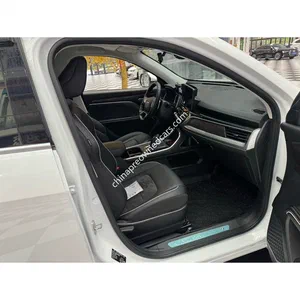
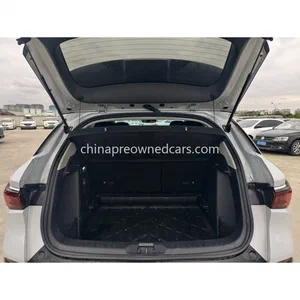
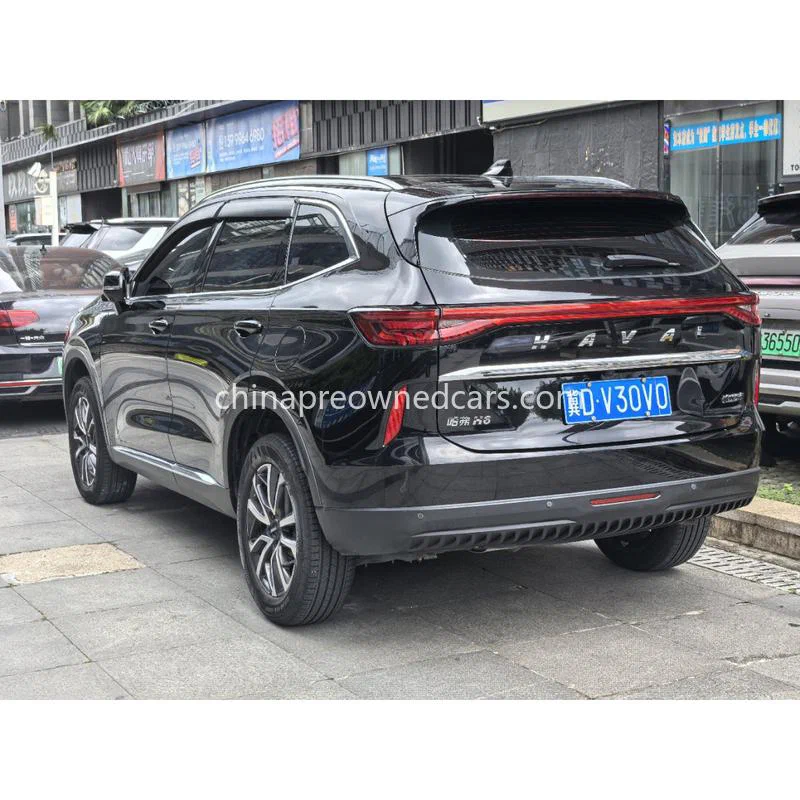
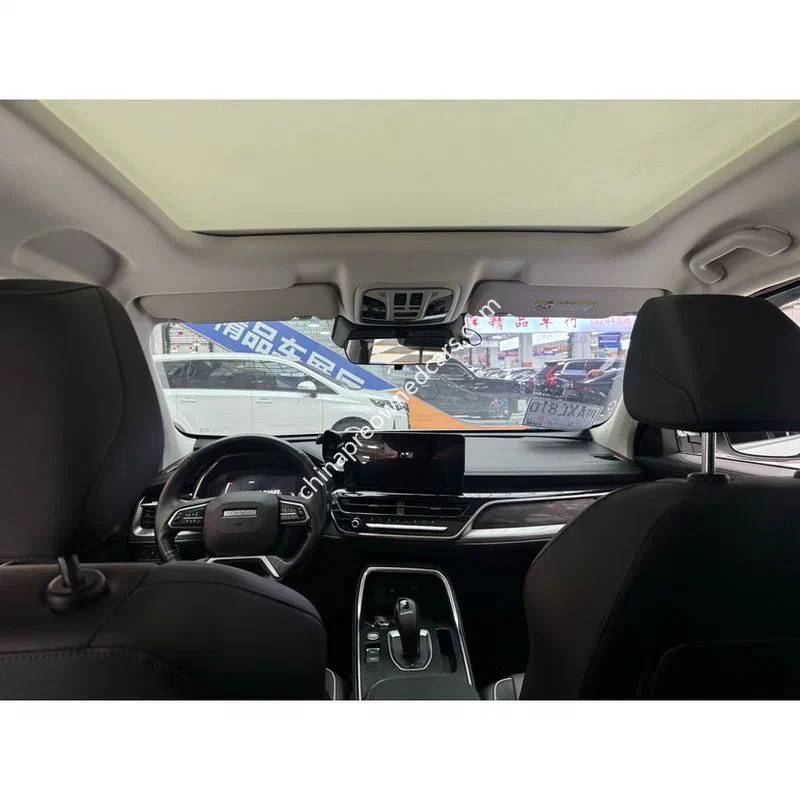
Condition grading generally separates cosmetic appearance from mechanical performance. Exterior checks cover paint consistency, dents, corrosion, panel alignment, glass and signs of previous repairs. Interior assessment considers seat wear, dashboard condition, switches, air conditioning and electronic functions. Mechanical inspection covers the engine, transmission, suspension, steering, brakes, tyres and evidence of fluid leaks. A dealer-grade or export-grade description should refer to documented inspection criteria rather than an undefined promise of quality. Buyers should request photographs, a written condition report and details of any defects or repairs before agreeing to purchase.
Service history adds context to these findings. Records should identify maintenance dates, mileage at each visit, replacement parts and major repairs. Missing records do not automatically mean a vehicle has been poorly maintained, but they create uncertainty. Buyers should pay particular attention to unexplained mileage gaps, inconsistent odometer readings, repeated repairs to the same component and evidence of accident damage. For models such as the BYD Atto 3, battery condition requires separate attention. A battery health assessment should identify the available state-of-health information, diagnostic method and any recorded charging or battery-system faults. A standard mechanical inspection cannot establish battery capacity or predict future degradation.
These condition findings also matter during customs clearance. Import duties and taxes are commonly calculated using a customs valuation based on the vehicle’s cost, insurance and freight (CIF), subject to the destination country’s valuation rules. Vehicle age, engine capacity, vehicle type and other classification factors may affect the applicable charges. Some markets also apply age-related penalties or restrictions. The final assessment is determined by the importing authority, not simply by the exporter’s invoice. If customs officers consider the declared value inconsistent with their valuation references, they may request supporting evidence or reassess the vehicle’s value. Buyers should retain the purchase invoice, payment evidence, vehicle specifications and inspection report to support the declared transaction value.
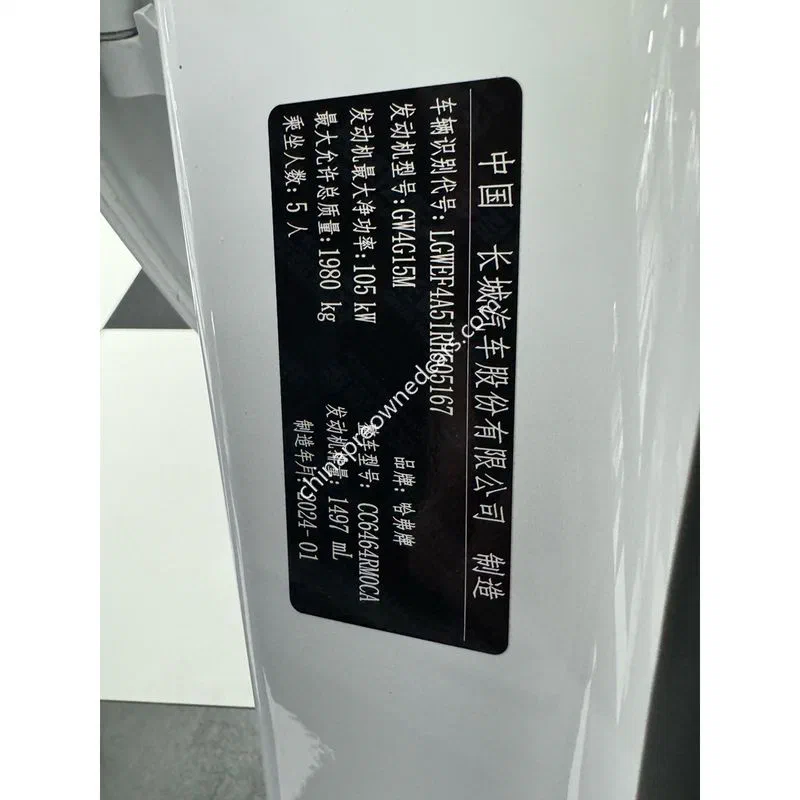
Nigeria illustrates why condition documentation and customs preparation should be handled together. Importers generally need to coordinate Form M, the Pre-Arrival Assessment Report (PAAR), customs declarations and supporting shipping and commercial documents through the applicable procedures. A certificate of origin may also be required to establish where the vehicle was manufactured. Requirements and processing arrangements can change, so the current documentation list should be confirmed with Nigerian customs and the appointed clearing agent before shipment. For Ghana, Kenya, Uganda and Tanzania, importers must likewise verify current vehicle age restrictions, valuation procedures, duty treatment and applicable roadworthiness or emission requirements. Most vehicles sourced from China’s domestic market are left-hand drive, making drive-side compatibility another essential check.
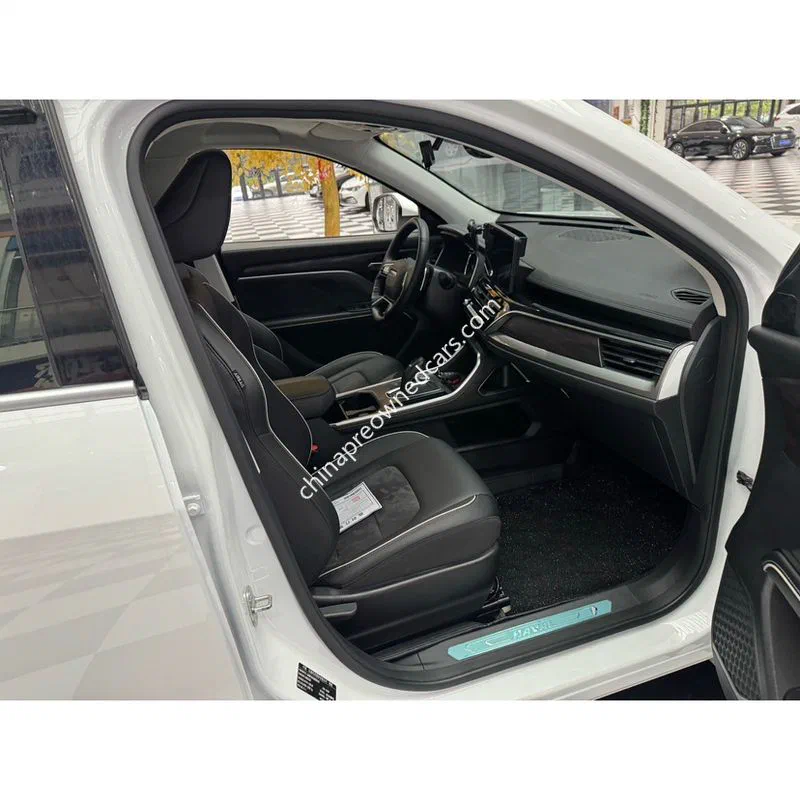
The clearing agent plays an important role in coordinating declarations, valuation queries, duty payments and release procedures at the destination port. Incomplete paperwork, inconsistent vehicle details, missing pre-shipment inspection documents, valuation disputes and delayed payment of assessed charges can all hold up clearance. Before shipment, the exporter should arrange the required export licensing, customs declaration and pre-shipment inspection in China. The vehicle can then be shipped by RoRo or secured inside a container, depending on the shipment arrangement. Neither method removes the need for accurate documentation. Buyers should compare the inspection report with the VIN, odometer reading and vehicle photographs, then check that the commercial invoice and shipping documents describe the same vehicle. A condition report records findings at the time of inspection; it does not guarantee future performance or establish that every hidden defect has been detected.
FAQ
Q: Does low mileage guarantee that a used vehicle is in good condition?
A: No. Mileage must be considered alongside service records, mechanical inspection findings, storage history and evidence of previous repairs.
Q: Can vehicle condition affect customs duty in Nigeria?
A: Condition documentation can support a declared transaction value, but Nigerian customs determines the accepted customs value and applicable charges under current regulations. Buyers should prepare invoices, payment evidence and inspection records in case the declared value is challenged.