Moving a used vehicle from China to an overseas port involves more than arranging ocean freight. The export process includes vehicle inspection, customs declaration, document preparation, duty assessment at destination and port clearance. For buyers in Ghana, Nigeria, Kenya, Uganda and Tanzania, understanding these stages helps control landed costs and avoid preventable delays.
From Vehicle Inspection to Export Clearance
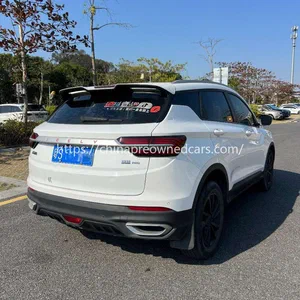
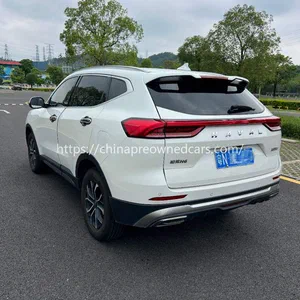
The first stage is selecting and inspecting the vehicle before export arrangements begin. Chinese used vehicle exporters source vehicles from the domestic market, including models such as the BYD Atto 3, Chery Tiggo 7 Plus, Chery Tiggo 8 Pro, Geely Coolray and Haval H6. The purchase price is only one part of the transaction. A buyer also needs to establish whether the vehicle’s condition and specification meet the requirements of the destination market.
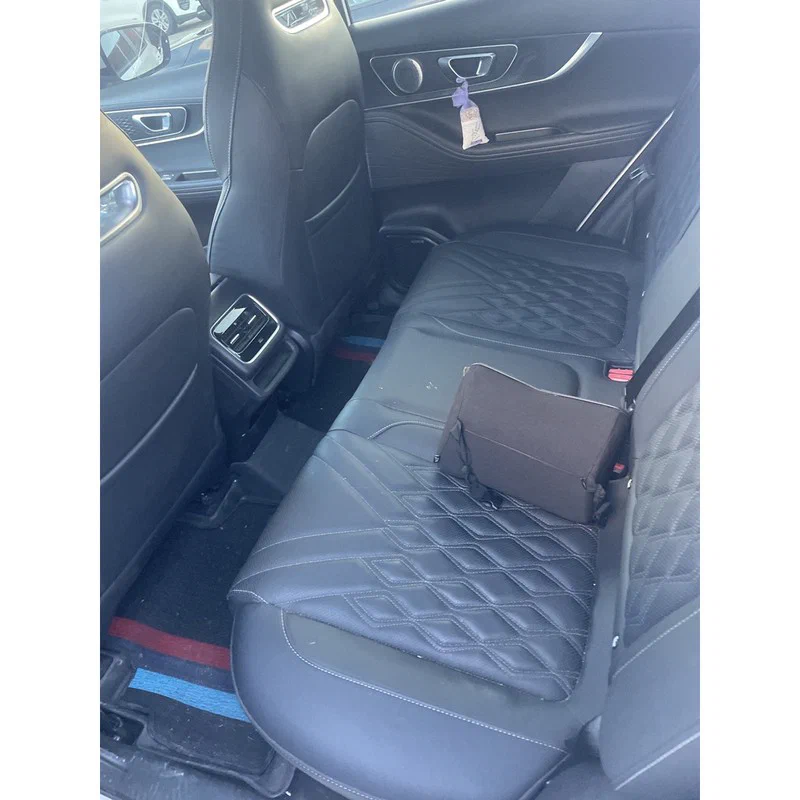
Pre-shipment inspection should cover the chassis, body panels, paint condition, tyres, suspension, brakes, steering, lights and interior equipment. The engine and transmission require operational checks on combustion vehicles. For electric models, inspection should include battery state of health, charging operation, warning indicators and available battery diagnostic records. The vehicle identification number (VIN) should match the registration and export documents. Mileage should also be checked against available service records and electronic data where accessible.
Inspection findings should be recorded before the vehicle is loaded. Photographs, diagnostic reports and a written condition assessment give the buyer evidence to compare with the vehicle received at the destination port. Any certification or inspection certificate required for export or import must be confirmed with the relevant authorities. A commercial inspection report does not automatically replace a government-mandated certificate. This distinction matters when arranging a second hand car low price purchase, because an attractive purchase figure offers little protection against undisclosed mechanical defects or documentation problems.
After inspection, the exporter prepares the vehicle for customs declaration. China’s used vehicle export process requires the appropriate export qualification or licensing arrangements, a customs declaration and the applicable pre-shipment inspection procedures. The exporter or its authorised representative submits the vehicle details and supporting documents to customs. VIN discrepancies, incomplete ownership records or incorrect vehicle descriptions can prevent clearance. Buyers should confirm who is responsible for each filing before making the final payment.
Customs Valuation, Import Duty and Required Documents
Destination customs authorities generally calculate import charges using a customs valuation that may be based on CIF value: cost of the vehicle, insurance and freight to the destination port. The declared transaction value is therefore not necessarily the only figure considered. Customs may compare the invoice with reference values, vehicle specifications, age and available market information. Additional taxes, processing charges and other levies may apply under local rules.
Vehicle age can also affect the assessment. Some importing countries apply additional charges or restrictions to older vehicles, while others use age-related valuation adjustments or eligibility conditions. These rules are not uniform. Buyers importing into Ghana, Nigeria, Kenya, Uganda or Tanzania should confirm the current requirements before purchasing. A vehicle that clears Chinese export customs may still be ineligible for registration or import clearance at its destination.
Nigeria requires particular attention to pre-arrival import procedures. Depending on the applicable import framework, buyers may need a Form M and a Pre-Arrival Assessment Report (PAAR), alongside the relevant shipping and commercial documents. The importer and authorised bank handle the required Form M process, while the assessment process involves the Nigerian customs authorities. These documents should be arranged in the correct sequence rather than left until the vessel approaches port.
The main export and shipping documents commonly include:
- Commercial invoice showing the agreed transaction value and vehicle details.
- Packing list, where applicable, identifying the shipment contents.
- Certificate of origin showing the vehicle’s country of origin.
- Export customs declaration and supporting export records.
- Bill of lading issued by the shipping carrier.
- Inspection certificate or report where required by the destination authority.
- Import permits, Form M and PAAR where applicable to the Nigerian shipment.
The certificate of origin and bill of lading serve different purposes. The former establishes origin, while the latter records the carrier’s receipt of the cargo and the agreed shipping details. Names, VINs, consignee information and shipment descriptions should be consistent across the paperwork.
Customs valuation disputes can arise when the declared invoice value differs from the amount assessed by destination customs. An unusually low declared value may trigger further examination or a request for supporting evidence. Buyers should retain the purchase invoice, payment records, vehicle specifications and inspection documentation. A clearing agent can submit explanations and supporting documents, but cannot guarantee that customs will accept the original declared value.
Shipping Method, Port Handling and Arrival Lead Times
Once export clearance is complete, the vehicle can be assigned to a suitable shipping method. Roll-on/roll-off (RoRo) shipping is commonly used for vehicles that can be driven or moved onto the vessel under their own wheels. It generally involves less loading equipment and can be economical for suitable vehicles. However, vehicles are exposed to port handling and shared vessel operations, so buyers should document their condition before delivery to the shipping terminal.

Container shipping provides a different arrangement. A vehicle is secured inside a container, which can offer greater protection from weather and some external handling risks. It is often suitable for higher-value vehicles, vehicles with specific handling requirements or shipments where additional cargo is being consolidated. Container loading involves securing the vehicle properly to limit movement during the voyage. The additional packing, handling and equipment costs may make this option more expensive than RoRo.
Electric vehicles require additional planning. Battery condition should be documented before shipment, and the carrier must receive accurate information about the vehicle’s propulsion system and battery. Shipping companies apply dangerous-goods and battery transport procedures where relevant. Buyers should confirm acceptance requirements with the carrier before booking rather than assume every RoRo or container service handles EVs under identical conditions.

Port handling begins before the vessel departs. The vehicle is delivered to the designated terminal, its shipping details are checked and the carrier completes the loading process. After departure, the bill of lading becomes a key document for tracking and releasing the shipment. Transit time depends on the departure port, shipping route, vessel schedule, transshipment arrangements and destination port congestion. Export preparation and customs processing add further time before the ocean journey begins.
At arrival, the clearing agent uses the bill of lading, commercial invoice, certificate of origin and required import documentation to complete the customs process. Duties and taxes must be assessed and paid before release, subject to the applicable procedures. Port storage and demurrage charges may accumulate if documents are incomplete, payment is delayed or customs selects the vehicle for examination. A clearing agent familiar with local vehicle import procedures can coordinate declarations, valuation responses, duty payments and terminal release. The buyer should establish the agent’s fees and responsibilities before shipment.
For buyers in Ghana, Nigeria, Kenya, Uganda and Tanzania, the final check should take place before the vehicle is purchased and freight is booked. Confirm left-hand-drive eligibility, permitted vehicle age, applicable emission standards, roadworthiness requirements and registration procedures with current local authorities. Most vehicles in China’s domestic market are left-hand drive, which makes destination compatibility particularly important. The exporter can coordinate inspection, export licensing, documentation and shipping, while the importer remains responsible for meeting local entry and registration requirements. Payment arrangements should also identify when the vehicle price, freight, insurance and destination charges become payable.
FAQ
Q: Is customs duty calculated on the vehicle purchase price alone?
A: Not necessarily. Customs valuation commonly uses a CIF basis that includes the vehicle cost, insurance and freight, with additional taxes or age-related adjustments depending on the destination country’s current rules.
Q: What documents are needed to clear a used car in Nigeria?
A: Common requirements include the commercial invoice, bill of lading, certificate of origin and applicable import documentation, including Form M and PAAR. The importer should confirm the latest requirements with Nigerian customs and an authorised clearing agent before shipment.