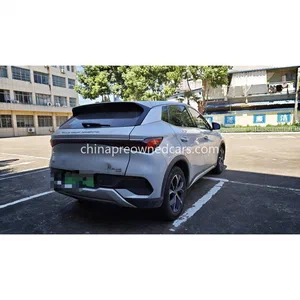
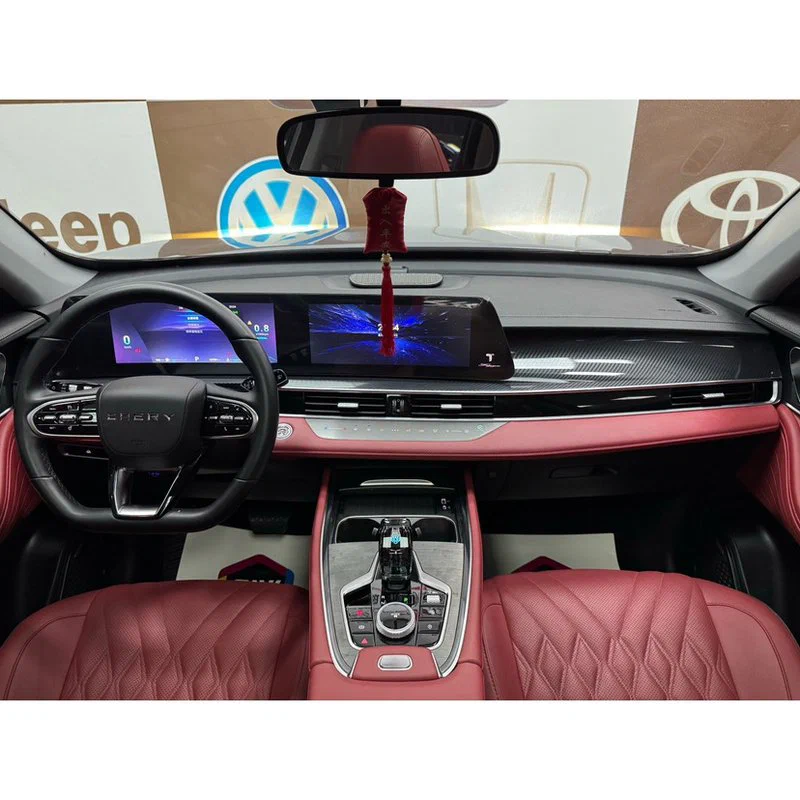
The Chery Tiggo 7 Plus offers a variety of features that align well with the needs of the African market, particularly in countries like Ghana, Nigeria, Kenya, Uganda, and Tanzania. This SUV is designed primarily with left-hand drive configurations, which suits most of these markets. Additionally, it presents a solid balance of comfort and utility, making it suitable for diverse road and climate conditions typically found in these regions. Buyers should consider the availability of fuel and charging infrastructure, especially when assessing the vehicle’s suitability for long-term use.
When importing a Chery Tiggo 7 Plus, understanding customs and duty procedures is critical. Import duties are typically calculated on a Cost, Insurance, and Freight (CIF) basis, with penalties often applied for older vehicles. Required documentation includes Form M, the Pre-Arrival Assessment Report (PAAR), and a certificate of origin. Buyers may encounter valuation disputes, which can complicate clearance. It’s advisable to engage a reliable clearing agent who can navigate these complexities and help prevent delays in shipment due to incomplete paperwork or misunderstandings regarding vehicle valuation.
Before purchasing, buyers should ask important second hand car questions to ask regarding the vehicle’s condition and history. Verification of the vehicle’s age and compliance with local emission standards is vital. Prospective buyers should also inquire about the vehicle’s maintenance records and any existing warranties. Payment terms can vary, so it is best to clarify these details beforehand. Lastly, shipping lead times from China to these African markets typically range from 15 to 25 days, contingent on the chosen transport method, either RoRo or container shipping. After-sales support and parts availability are also essential aspects to consider for maintaining the vehicle long-term.

FAQ
Q: What are the common documents required for importing a vehicle to Africa?
A: Common documents include Form M, the Pre-Arrival Assessment Report (PAAR), and a certificate of origin.
Q: How are import duties calculated for used vehicles?
A: Import duties are usually calculated on a CIF basis, and penalties may apply depending on the vehicle’s age.