A dealership auction is a wholesale marketplace where licensed dealers and approved trade buyers bid on vehicles offered by dealerships, fleet operators, leasing companies, or other vehicle suppliers. For used car exporters in China, the auction provides a sourcing channel, but the winning bid is only the beginning: the vehicle must still pass inspection, valuation, export procedures, and destination-country customs clearance.
From Auction Purchase to Export Preparation
A typical auction process starts with vehicle registration and buyer approval. Auction platforms may require business credentials, a deposit, or proof of eligibility before allowing participation. Listings usually provide basic vehicle information, photographs, mileage readings, equipment details, and a condition description. The level of disclosure varies between platforms. An auction listing should be treated as an initial reference, not a substitute for an independent inspection.
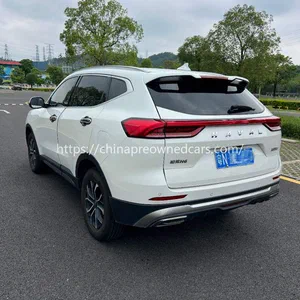
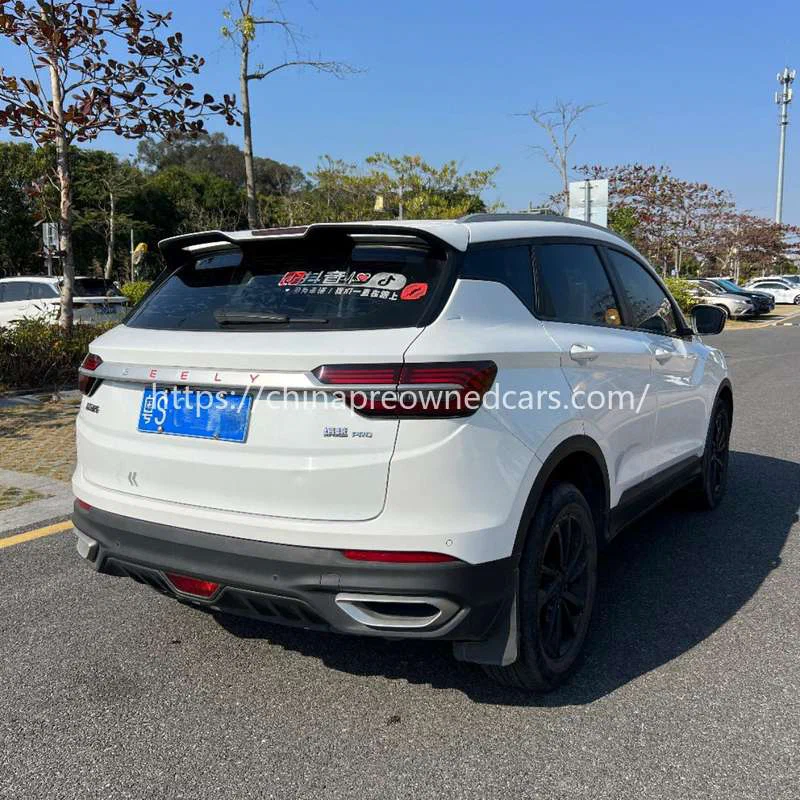
Once a suitable vehicle is identified, the buyer reviews its condition and estimated acquisition cost before bidding. This includes checking the VIN, registration documents, ownership history, accident records where available, and any outstanding finance or legal restrictions. For electric vehicles, battery state of health, charging performance, and diagnostic records require additional attention. A BYD Atto 3, for example, should be assessed for battery capacity and charging-system faults rather than judged solely by exterior appearance. Similar checks apply when sourcing a Chery Tiggo 7 Plus, Chery Tiggo 8 Pro, Geely Coolray, or Haval H6.
After a successful bid, payment and vehicle transfer arrangements follow the auction platform’s terms. The exporter then arranges collection, pre-shipment inspection, and export documentation. A vehicle may need repairs or additional checks before it is suitable for shipment. Its auction grade does not automatically establish its condition at the time of export. Buyers should request inspection photographs, a written condition report, VIN confirmation, and supporting maintenance records where available.
Customs Valuation, Duty and Required Documents
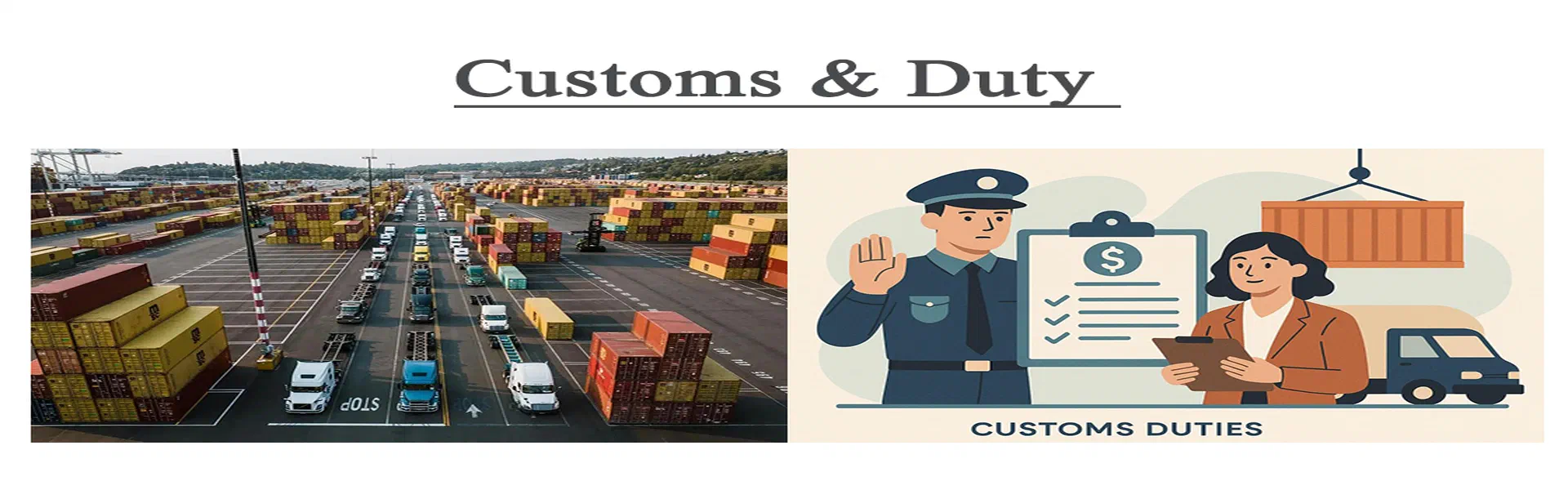
The customs cost is a separate calculation from the auction purchase price. In many destination markets, import duty and related taxes are assessed using a CIF-based customs value: cost of the vehicle, insurance, and freight to the relevant destination port. Customs authorities may apply their own valuation methods if the declared transaction value is considered inconsistent with comparable vehicles or supporting documents.

Age-related penalties or additional charges may also apply under destination-country rules. Their calculation and applicability differ between markets. Buyers importing into Ghana, Nigeria, Kenya, Uganda, or Tanzania should confirm the current treatment of used vehicles with a local clearing agent before committing to an auction purchase. Vehicle age, engine capacity, fuel type, emissions classification, and declared customs value may all affect the final assessment. Electric and hybrid vehicles can also fall under different tax or incentive arrangements, depending on current national policy.
Documentation needs attention before the vehicle leaves China. The exporter’s paperwork generally includes the commercial invoice, sales contract, vehicle registration or ownership documents, export declaration, and applicable export licence. A certificate of origin may be requested to establish the vehicle’s country of origin. The shipping line or freight forwarder issues the bill of lading after loading.
For Nigeria, the import process may involve Form M and a Pre-Arrival Assessment Report (PAAR). Form M is initiated through the relevant banking and import documentation process, while PAAR supports customs assessment before arrival. These documents must match the shipment details and declared vehicle information. Buyers should confirm the applicable procedure and any electronic documentation requirements with their Nigerian bank and clearing agent. Requirements can change, and paperwork suitable for one destination is not automatically sufficient for another.
Valuation disputes are a common source of clearance complications. If customs considers the invoice value too low, it may request payment evidence, auction records, freight invoices, insurance documents, or other supporting information. A buyer should retain the original auction transaction record and payment confirmation. Declaring an artificially low value to reduce duty can lead to reassessment, penalties, or delays. The clearing agent handles customs submissions, responds to valuation queries, calculates applicable charges, and coordinates release after payment. The agent should be appointed early enough to review the documents before shipment.
Shipping and Clearance Risks Buyers Should Plan For
The shipment method affects freight cost, handling, and documentation. RoRo shipping is generally suitable for operational vehicles that can be driven onto and off the vessel. Container shipping offers additional protection and may suit vehicles requiring more controlled handling or consolidated cargo arrangements. The choice depends on vehicle dimensions, condition, route availability, carrier requirements, and the buyer’s budget. Neither method removes the need for export inspection or destination customs clearance.
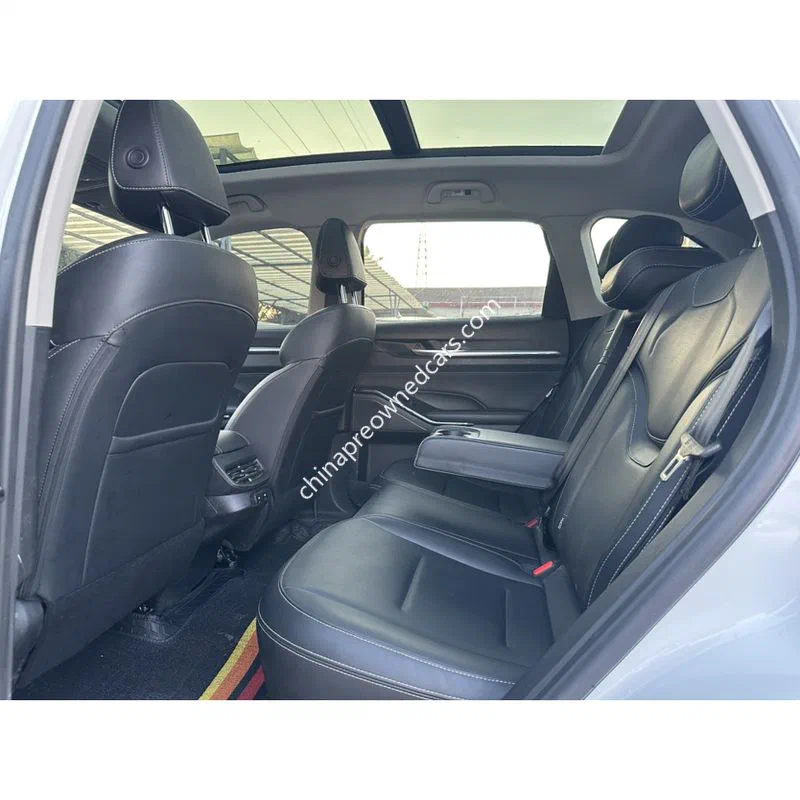
Several issues can delay the process. Incomplete ownership records, VIN discrepancies, inconsistent invoice values, missing import approvals, and outstanding customs questions can prevent timely release. Port congestion and vessel schedule changes create separate delays. Most Chinese domestic vehicles are left-hand drive, which is relevant for buyers in Ghana, Nigeria, Kenya, Uganda, and Tanzania. Import eligibility and roadworthiness requirements still need to be checked against current local rules, including restrictions on vehicle age, emissions, and steering configuration.

Before bidding, buyers should establish the complete landed-cost calculation with their exporter and clearing agent. This should separate the auction price, inland transport, inspection, export documentation, ocean freight, insurance, customs duty, taxes, port charges, and local delivery. Payment milestones should also be written into the sales agreement, with clear responsibilities for inspection findings, document preparation, and shipping arrangements. For used EVs, the agreement should specify which battery diagnostic information will be supplied. A dealership auction can provide access to vehicles at wholesale level, but the commercial decision depends on verified vehicle information and a realistic customs budget.
FAQ
Q: Is the auction purchase price the amount used to calculate import duty?
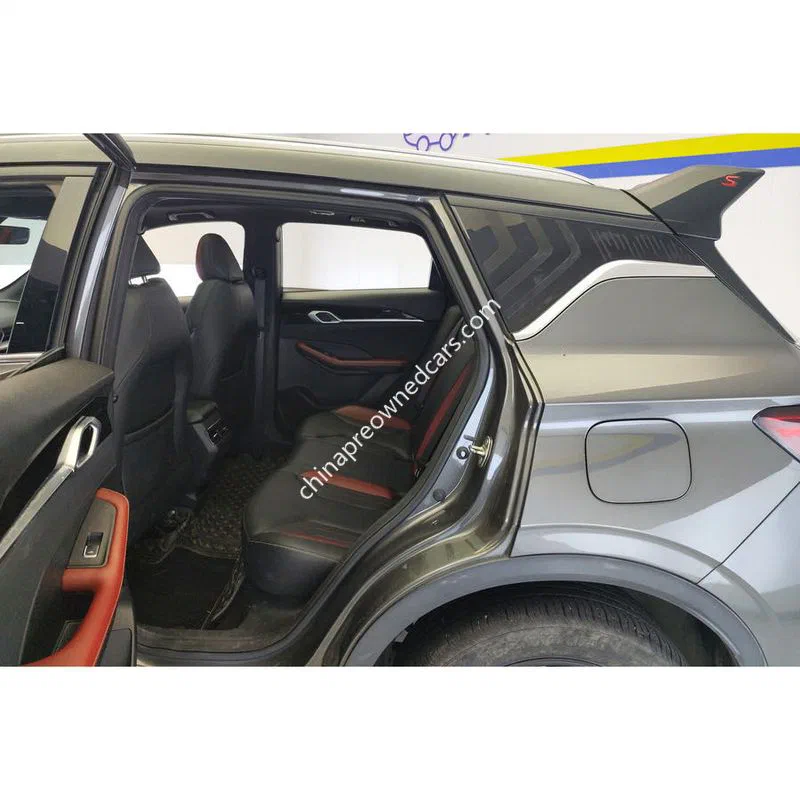
A: Not necessarily. Customs may use a CIF-based value that includes the vehicle cost, insurance, and freight, and may reassess the declared value if supporting evidence is insufficient.
Q: What documents are needed to clear an auction vehicle imported into Nigeria?
A: Common requirements include Form M, PAAR, a commercial invoice, shipping documents, ownership records, and applicable import documentation. The importer should confirm current requirements with a Nigerian clearing agent before shipment.