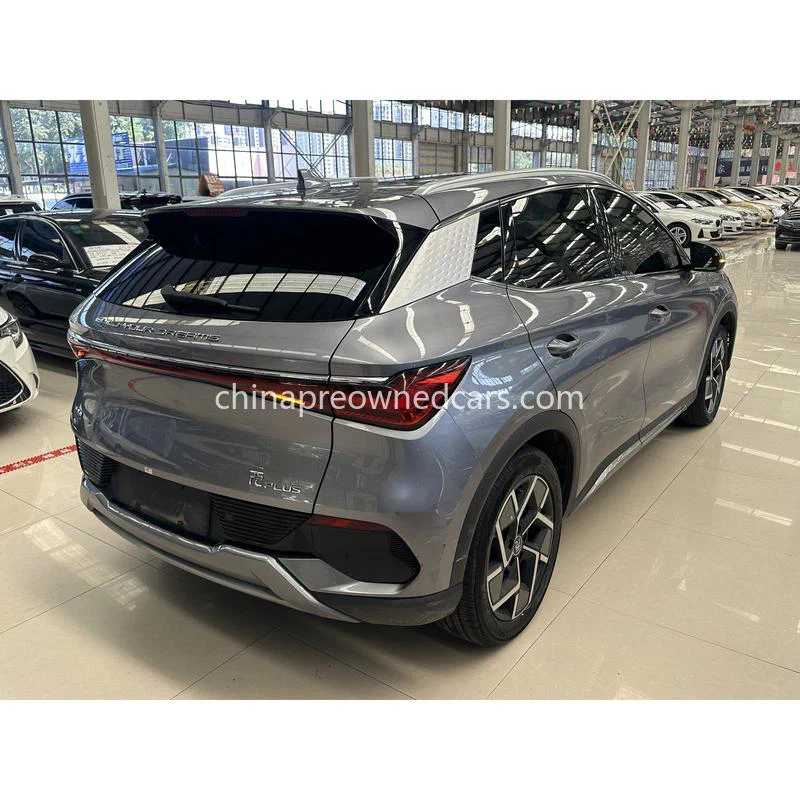
Used electric vehicle exports to Africa require more than a mechanical inspection. Battery state of health (SOH), charging compatibility and dangerous goods classification can affect customs documentation, shipping arrangements and the vehicle’s resale value. Buyers importing from China should assess these factors before agreeing on a vehicle and calculating its landed cost.
Battery Assessment and Import Valuation
Battery SOH measures remaining usable capacity against the battery’s original capacity. It is a central part of evaluating a used electric vehicle because degradation affects driving range, charging performance and future resale value. An export inspection should include a battery management system diagnostic, recorded SOH, fault-code history, cell voltage consistency and evidence of previous battery repairs. A dashboard range estimate alone is insufficient. Buyers should request the diagnostic report and confirm the vehicle identification number (VIN) against the inspection records.
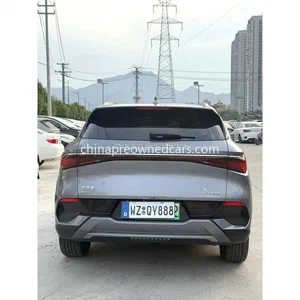
For models such as the BYD Atto 3, buyers should also establish the original charging connector and whether any modifications have been made. Chinese domestic vehicles commonly use GB/T connectors, while CCS2 and CHAdeMO are found in different charging networks. Acceptance varies across Ghana, Nigeria, Kenya, Uganda and Tanzania. A buyer should check actual charging locations, connector availability and adapter compatibility in the intended operating area before shipment. An adapter does not automatically guarantee charging communication or safe operation. Reduced battery capacity can also change the vehicle’s commercial value. The average price of a used car in 2025 is not a reliable valuation benchmark for an EV unless battery condition, remaining range and charging compatibility are considered.
Customs, Dangerous Goods and Shipping Documentation
Import duty is generally assessed using the customs valuation method applicable in the destination country. CIF value, covering vehicle cost, insurance and freight, is an important valuation basis in many markets, but the precise customs formula and additional charges vary. Some destinations apply age-related valuation adjustments or penalties. Buyers should obtain a current landed-cost calculation from a licensed clearing agent rather than assume that the purchase invoice determines the final duty. Customs may challenge declared values if the invoice, payment evidence, vehicle specifications or comparable market values do not support the declaration. A complete file helps reduce disputes.
Documentation requirements must be checked before the vehicle leaves China. The export file typically includes the commercial invoice, sales contract, packing or shipping details, bill of lading, export customs declaration, certificate of origin and pre-shipment inspection documents. Nigeria-bound shipments may additionally require Form M and a Pre-Arrival Assessment Report (PAAR), arranged through the applicable import and banking procedures. Requirements for Ghana, Kenya, Uganda and Tanzania differ. The clearing agent should confirm the correct tariff classification, valuation basis, import eligibility and any vehicle-age or emissions restrictions. Most Chinese domestic vehicles are left-hand drive, so drive-side rules also require confirmation.
Shipping method affects both cost and compliance. RoRo is suitable for vehicles accepted under the carrier’s vehicle-cargo procedures, while container shipping offers enclosed transport but requires correct dangerous goods declarations and loading arrangements. Under the IMDG Code effective in 2026, lithium-ion battery-powered vehicles use UN 3556, Class 9; UN 3480 applies to standalone lithium-ion batteries, not a complete vehicle with its battery installed. Hybrid vehicles have separate classification considerations. The carrier must confirm the applicable classification and any exemptions before booking. Missing battery reports, incorrect declarations, inconsistent VIN details and incomplete customs paperwork can all delay release. Buyers should also confirm payment milestones, insurance coverage and the estimated shipping schedule in writing before dispatch.

FAQ
Q: Does battery health affect import duty?
A: Battery condition can influence the vehicle’s commercial value and customs valuation. Any adjustment to the declared value must follow the destination country’s valuation rules.
Q: Are GB/T charging connectors accepted in African markets?
A: Acceptance varies by country and charging network. Buyers should verify local charger compatibility and available adapters before purchasing a Chinese-market EV.
Q: Does shipping a used electric car require dangerous goods documentation?
A: Lithium-ion vehicles generally require the applicable dangerous goods classification and carrier documentation. UN 3556 applies to lithium-ion battery-powered vehicles under the current IMDG Code, subject to relevant provisions and exemptions.