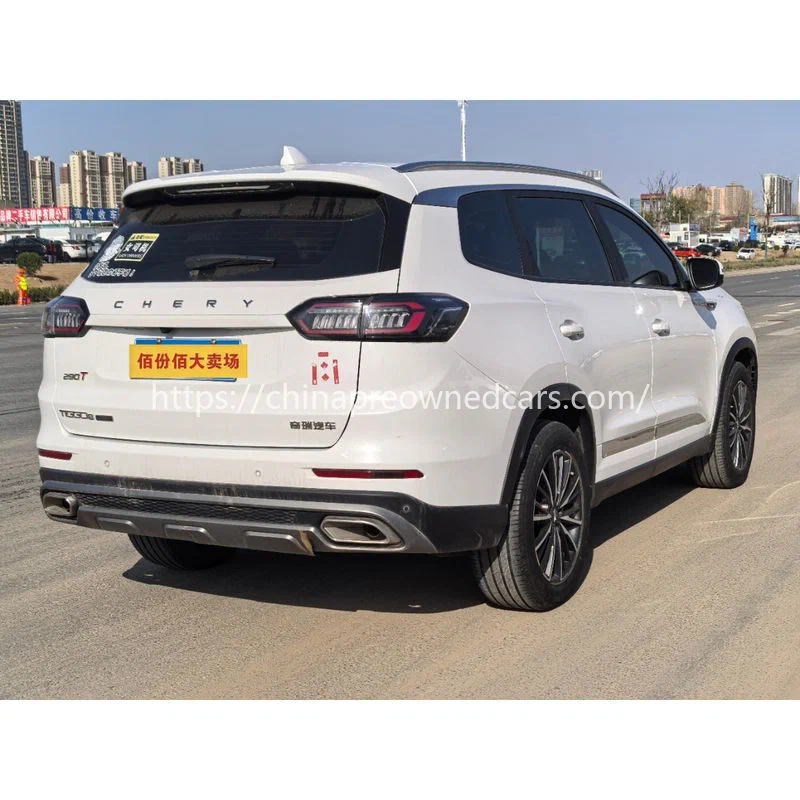
Exporting a used Honda Civic from China involves more than buying the vehicle and arranging ocean freight. The process runs from vehicle inspection and export documentation to customs valuation, duty assessment, port handling and destination clearance. For Nigerian importers, the paperwork must also align with applicable pre-arrival procedures, while buyers in other African markets need to confirm their own current import requirements.
From vehicle inspection to export clearance

The process starts with confirming the vehicle’s identity, condition and eligibility for export. A buyer considering a second hand car civic should request the VIN, registration or ownership records available, odometer reading and service history where obtainable. An independent inspection should examine the engine, transmission, steering, suspension, brakes, tyres, body repairs and signs of accident or flood damage. Diagnostic scanning can identify stored fault codes, although it cannot establish the vehicle’s entire history.
The inspection report should record visible defects and distinguish observed facts from items that could not be tested. The exporter must also verify the vehicle’s eligibility under China’s current used-vehicle export rules. Required export qualifications, licensing, inspection arrangements and supporting documents must be confirmed for the specific transaction. A general condition report is not automatically an export certificate or proof that the destination country will accept the car. Buyers should agree in writing on the inspection scope, reporting format and procedure for resolving discrepancies before payment.
Once the vehicle is approved for shipment, the exporter prepares the export declaration and supporting commercial documents. These commonly include the sales contract, commercial invoice, packing or vehicle particulars where applicable, and transport instructions. The certificate of origin may be required by the importer, customs authority or other relevant institution. The bill of lading is issued by the carrier or its agent after the shipping arrangements are processed; it records the shipment and identifies the parties and destination. Names, VIN, declared value and vehicle details must match across the documents. Errors can hold up clearance even when the vehicle itself is ready.
Customs valuation, duty and destination requirements
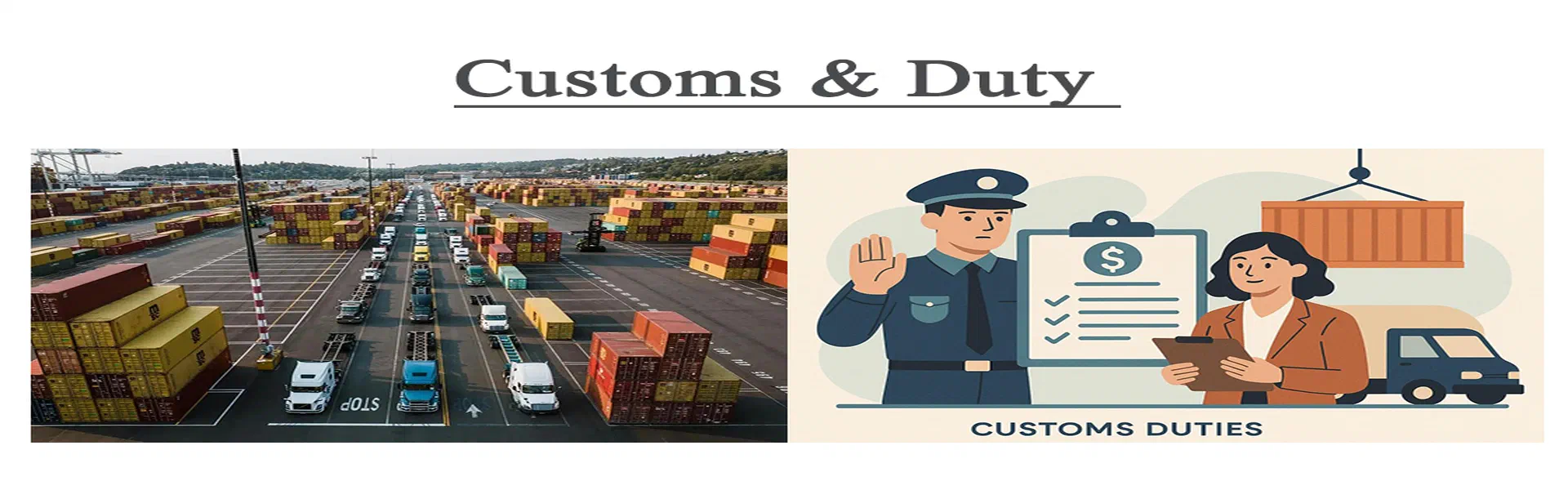
Customs duty is determined under the destination country’s tariff rules, not simply by the exporter’s invoice. In many import systems, the customs value is based on CIF or a related valuation method, incorporating the vehicle value, insurance and freight to the relevant port. The applicable tariff classification, taxes, levies and valuation adjustments then determine the amount payable. Some jurisdictions apply additional charges or age-related restrictions and penalties, but the treatment differs by country and can change. Importers should obtain a current calculation from a qualified clearing agent before committing funds.
Nigeria requires particular attention to its vehicle-import procedures. Depending on the applicable import framework, the importer may need to arrange Form M through an authorised dealer bank and obtain a Pre-Arrival Assessment Report (PAAR) through the relevant customs process. These are not interchangeable with the Chinese export declaration, certificate of origin or bill of lading. The importer and clearing agent should confirm current documentation, valuation and submission requirements with Nigerian Customs and the relevant banking authorities before shipment. For Ghana, Kenya, Uganda and Tanzania, buyers must separately verify the current rules governing vehicle age, right- or left-hand drive, emissions, roadworthiness and taxes. Most vehicles in China’s domestic market are left-hand drive, so suitability must be checked against the destination’s rules.
Customs valuation disputes can arise when the declared invoice value differs from a customs reference value or when the authority questions the transaction documents. A low invoice does not guarantee lower duty. Keep the sales contract, payment evidence, invoice, inspection report and freight documents available to support the declared value. If customs requests clarification, the clearing agent can submit evidence and coordinate responses, but cannot guarantee acceptance of the original valuation. Missing Form M details, inconsistent VINs, incomplete origin documents, late pre-arrival submissions and unpaid charges can all delay release.
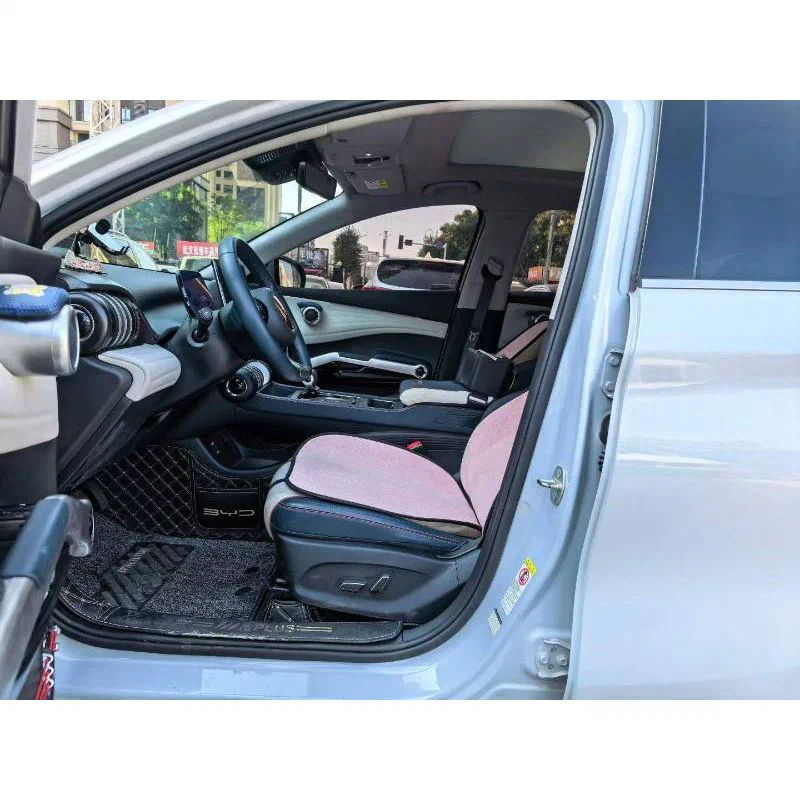
Shipping method, port handling and lead times
RoRo shipping is often suitable for running vehicles that can be driven onto and off the vessel. It reduces the need for a separate shipping container, although sailing schedules, port charges, vehicle acceptance conditions and handling arrangements affect the total cost. The vehicle may be exposed to more port handling and weather than a vehicle secured inside a container. Container shipping can suit vehicles requiring additional protection or shipments consolidated with other cargo, but it adds loading, securing, container handling and possible unpacking costs. The importer should compare the complete port-to-port charges and insurance terms rather than freight quotations alone.
After export clearance, the vehicle moves to the departure port, completes the carrier’s acceptance procedures and waits for loading according to the shipping schedule. Following arrival, the destination agent coordinates document presentation, customs assessment, payment of duties and taxes, any required examination, and port release. Transit time depends on the route, vessel schedule, transshipment, congestion and customs processing; no single delivery estimate applies to every shipment. Port storage and demurrage may accumulate when documents or payments are late. Before dispatch, the buyer should confirm who pays origin charges, freight, insurance, destination handling and clearance costs, and should obtain the shipping reference and a clear division of responsibilities. Final release depends on compliance with both export and import procedures.
FAQ
Q: Are Form M and PAAR required for every vehicle imported from China?
A: They are associated with Nigeria’s import process, but the applicable requirements and procedures should be confirmed for the specific shipment with an authorised dealer bank and Nigerian Customs. They are not universal documents for Ghana, Kenya, Uganda or Tanzania.
Q: Which is better for shipping a used car, RoRo or container?
A: RoRo is often practical for a running vehicle when its route and handling conditions are suitable. Container shipping may offer greater physical protection, but the full cost, loading arrangements, insurance and destination charges should be compared.