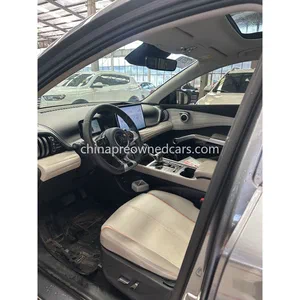

Choosing between the Haval H6 and Chery Tiggo 8 Pro for export involves more than comparing engine output or cabin space. Powertrain configuration, fuel consumption, emissions compliance and local parts availability all affect the vehicle’s suitability and its total landed cost. For importers in Ghana, Nigeria, Kenya, Uganda and Tanzania, customs valuation and destination-specific import requirements must also be considered before confirming a purchase.
The Haval H6 and Chery Tiggo 8 Pro are both petrol SUV options in the current export inventory, but their engine specifications and transmission combinations vary by model year and market version. Buyers should verify the exact engine displacement, turbocharging configuration, transmission type and emissions documentation against the vehicle identification number (VIN). A larger engine or different specification can affect customs valuation and the applicable duty calculation. Neither model should be selected on fuel consumption figures alone; request the relevant test-cycle data and compare it with expected driving conditions. The BYD Atto 3 offers a different ownership proposition as a battery-electric SUV, with no conventional fuel consumption but additional checks involving battery state of health, charging compatibility and battery transport documentation. Charging standards and available public infrastructure need confirmation in the destination market. For buyers researching good used cars under 2000, it is important to distinguish low advertised purchase prices from the substantially different landed costs of imported SUVs.

Customs charges generally depend on the vehicle’s customs value and the destination country’s tariff rules. CIF (cost, insurance and freight) is a common valuation basis, combining the vehicle value with international freight and insurance. Import duty, applicable taxes, processing charges and other levies may then be assessed under the current national regulations. Some markets apply additional valuation adjustments or age-related penalties, so the vehicle’s manufacturing year and first-registration date should be documented accurately. In Nigeria, import procedures may involve Form M and Pre-Arrival Assessment Report (PAAR) documentation, alongside customs declarations and supporting shipping papers. Buyers should confirm the current requirements with Nigerian Customs or a licensed clearing agent before shipment. A certificate of origin may also be required to establish where the vehicle was manufactured. Ghana, Kenya, Uganda and Tanzania have their own customs procedures and valuation practices. A clearing agent helps classify the vehicle, prepare declarations, submit supporting documents and resolve discrepancies. Customs valuation disputes can arise when the declared invoice value differs from the authority’s reference valuation. Consistent invoices, payment records, VIN details and export documentation help address such queries.
Drive configuration is another important consideration. Most Chinese domestic-market vehicles are left-hand drive (LHD), including many examples of the Haval H6 and Chery Tiggo 8 Pro. This may restrict their suitability for markets with right-hand-drive requirements, particularly where import rules do not permit exceptions. Confirm the current rules before paying a deposit. Buyers should also check emission standards, vehicle-age restrictions and roadworthiness requirements for the intended destination rather than assuming one country’s approval applies elsewhere. Before shipment, verify the inspection report, service records, odometer evidence, accident history and engine condition. For the BYD Atto 3, obtain a battery health assessment as well. China’s export process requires the appropriate export licensing, customs declaration and pre-shipment inspection. Vehicles can travel by RoRo or in containers, depending on dimensions, shipping arrangements and handling requirements. The main documents typically include the commercial invoice, packing or vehicle details, bill of lading, export declaration and applicable origin documentation. Missing paperwork, inconsistent VIN information, valuation disagreements and incomplete destination permits can delay clearance. Buyers should agree on payment milestones, inspection responsibilities and after-sales support arrangements before the vehicle leaves China.
FAQ
Q: How is import duty calculated for a used SUV?
A: Customs authorities commonly use CIF value as a valuation basis, then apply the relevant duty and taxes under national rules. Vehicle age and other valuation adjustments may also affect the final amount.
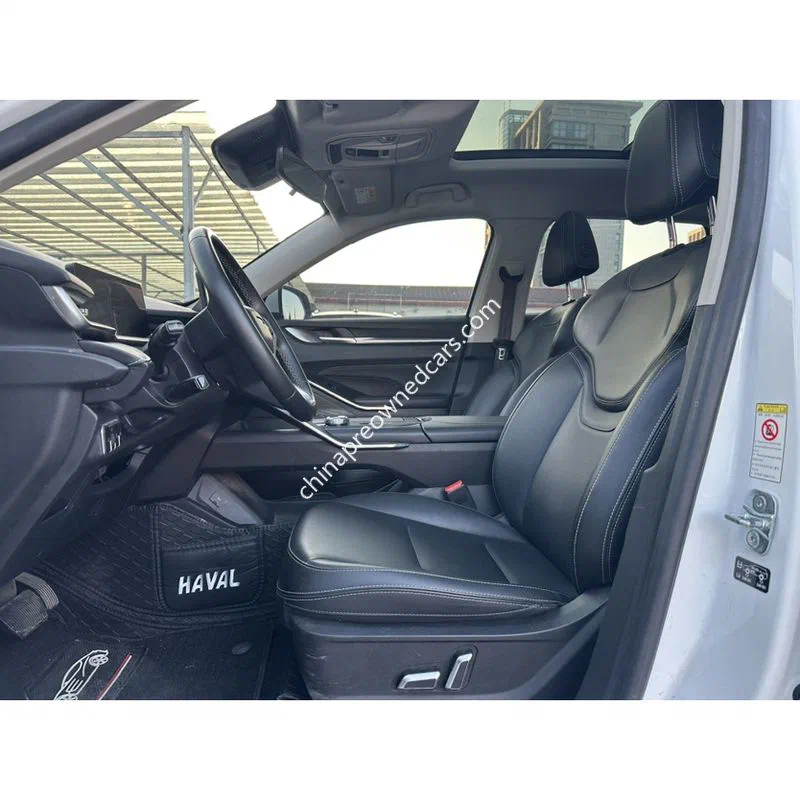
Q: Does the Haval H6 or Chery Tiggo 8 Pro qualify for import into Nigeria?
A: Eligibility depends on current vehicle-age, emissions, drive-side and customs requirements. Buyers should confirm the applicable rules with Nigerian Customs and a licensed clearing agent before shipment.
Q: Which shipping method is better for exporting a used SUV from China?
A: RoRo is generally suitable for operational vehicles, while container shipping offers enclosed transport and may suit particular handling requirements. The choice depends on shipping cost, vehicle condition, route and destination arrangements.