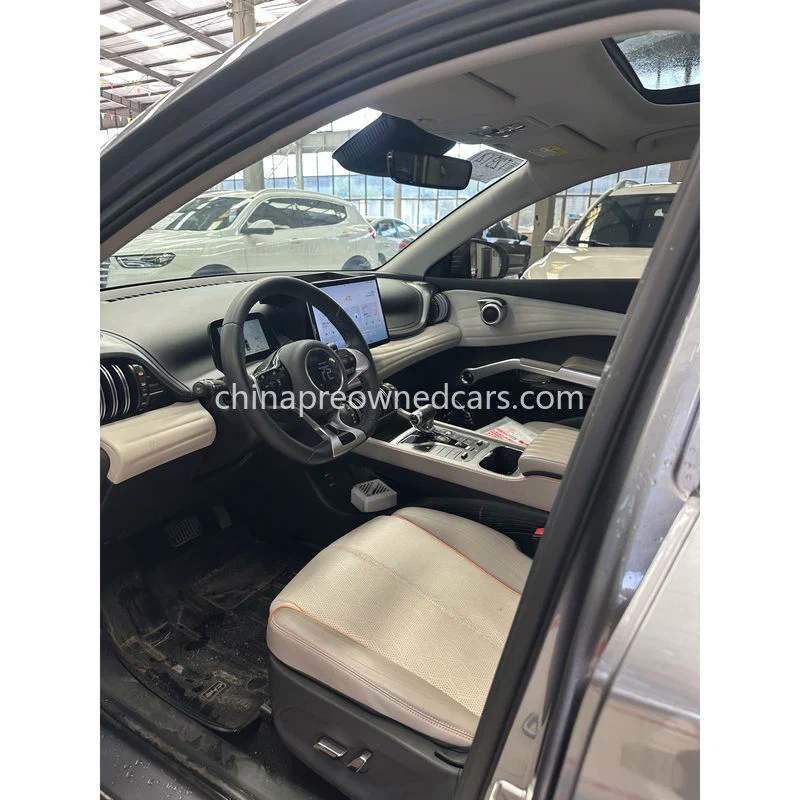
The Haval H6 is a midsize SUV with a reputation for delivering a balanced mix of comfort, efficiency, and reliability. As one of the models available for export from China, it offers features and specifications that make it a suitable choice for buyers in African markets such as Ghana, Nigeria, and Kenya. This article explores what makes the Haval H6 an efficient option for long journeys, its export suitability, and key customs considerations for importing the vehicle.
Features and Specifications Relevant to Export Buyers
The Haval H6 is equipped with a turbocharged engine that provides good fuel efficiency, making it practical for buyers seeking good mileage for second-hand cars. Standard models typically feature front-wheel drive, though some configurations include all-wheel drive for improved handling on diverse road surfaces. For emissions compliance, the H6 adheres to China’s domestic standards, and buyers are advised to verify compatibility with their destination country’s regulations. With its left-hand-drive configuration, the H6 is directly suited to countries where left-hand drive vehicles are standard, such as those in Africa.
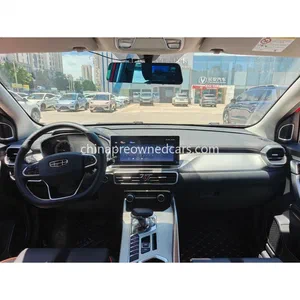
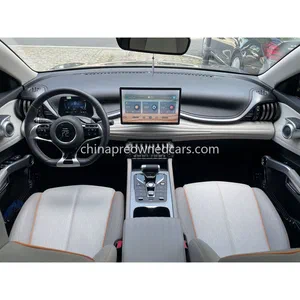
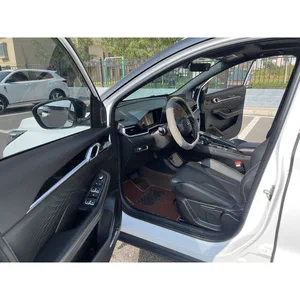
Interior features include a spacious cabin, advanced infotainment systems, and safety features like adaptive cruise control and lane-keeping assistance, depending on the trim level. Its cargo space and seating arrangements further enhance its utility for family or business use. Buyers should confirm the specific trim and feature set of the unit they intend to purchase, as these vary across pre-owned listings.
Condition Grading and Buyer Verification
Used Haval H6 units are sourced from China’s domestic market and undergo condition grading based on factors such as exterior wear, interior cleanliness, mileage, and mechanical performance. While many units offered for export are in solid operational condition, buyers should verify key aspects including service history, accident records, and mileage consistency. For electric or hybrid variants, battery state-of-health is a critical factor, as battery degradation impacts range and overall performance.
Pre-shipment inspections provide an opportunity to assess these details and confirm roadworthiness. Exporters typically provide inspection reports, but buyers should independently verify the accuracy of the vehicle identification number (VIN) and request third-party assessments if needed. This step ensures transparency and minimizes risks associated with purchasing used vehicles.
Suitability for African Markets
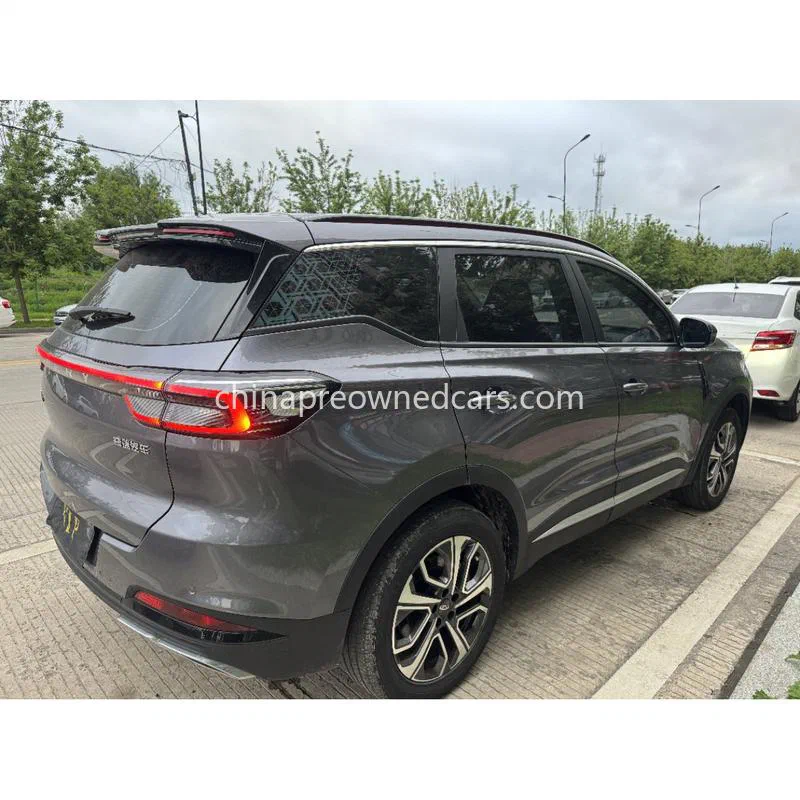
The Haval H6’s design and build are well-suited for African road conditions, which often include uneven terrain and unpaved routes. Its robust suspension system and efficient fuel consumption make it cost-effective for long distances. Additionally, Haval’s presence in African markets supports spare parts availability and service network access, which are crucial for maintaining imported vehicles.
However, buyers should confirm the import regulations specific to their country, such as vehicle age limits and emission standards. For instance, some countries impose penalties or restrictions on vehicles exceeding certain age thresholds. Ensuring compliance with these rules can streamline the import process and avoid delays.
Customs and Duty Considerations

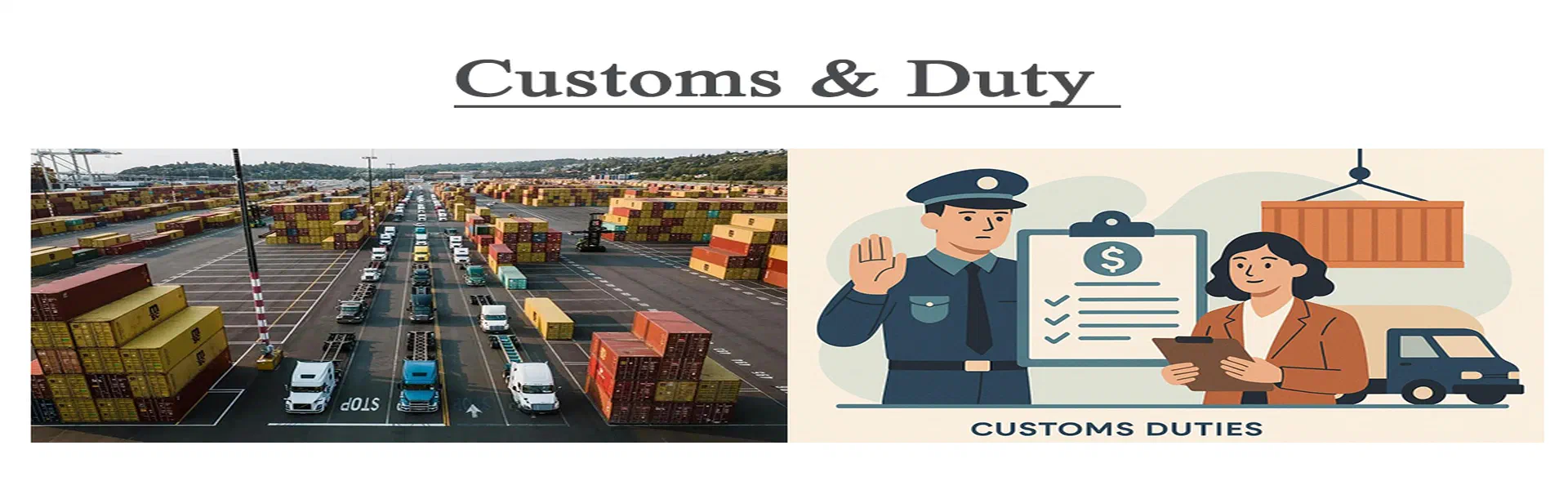
Importing a Haval H6 into African markets involves navigating customs and duty procedures. Duties are typically calculated on a CIF basis, which includes the cost of the vehicle, insurance, and freight. Countries like Nigeria and Ghana require documentation such as Form M, Pre-Arrival Assessment Report (PAAR), and a certificate of origin to process imports. Buyers should anticipate possible valuation disputes, as customs authorities may re-evaluate used vehicles based on their condition or perceived market value.
Hiring a reliable clearing agent can help resolve such issues and expedite the process. Delays in customs clearance generally stem from incomplete documentation or discrepancies in valuation, so ensuring all paperwork is accurate and complete is critical. Buyers should also budget for additional fees such as port charges and inspection costs.
Shipping and Delivery Options
The Haval H6 can be shipped via Roll-on/Roll-off (RoRo) vessels or container shipping, depending on the buyer’s preference and budget. RoRo shipping is typically more cost-effective for single units, while container shipping provides added protection and suits buyers importing multiple vehicles. Exporters handle logistics, including loading, securing, and coordinating with shipping lines, to ensure safe transit.
Shipping lead times vary by destination port, but typical durations range from 15 to 25 days for African destinations. Buyers should confirm the estimated delivery schedule and inquire about insurance coverage for goods in transit. Proper planning helps mitigate unexpected delays and ensures vehicles arrive in optimal condition.
Practical Guidance for Buyers
Before finalizing a purchase, buyers should confirm payment terms, including the accepted methods and any escrow options that reduce transaction risks. Additionally, clarity on after-sales support is vital. Many exporters offer limited warranties on mechanical components or provide assistance with spare parts sourcing post-sale.
For vehicles like the Haval H6, checking the alignment of features with the buyer’s specific needs is important. Whether intended for private use or fleet deployment, ensuring compatibility with local regulations and conditions will contribute to the vehicle’s long-term utility.
FAQ
Q: What should I verify before purchasing a used Haval H6? A: Verify the vehicle’s VIN, service history, mileage, and inspection reports. If it’s a hybrid or electric model, check the battery state-of-health.
Q: How is import duty calculated for the Haval H6? A: Import duty is calculated on a CIF basis, considering the cost, insurance, and freight. Ensure all required documents are complete to avoid valuation disputes.