
Used vehicle condition checks affect more than the purchase price: they also influence customs valuation, import eligibility and the cost of clearing a vehicle at its destination. For buyers sourcing Chinese SUVs for Ghana, Nigeria, Kenya, Uganda and Tanzania, mileage records, service history and inspection findings should be reviewed alongside the documents used for customs assessment. This guide explains how to assess a vehicle before shipment and prepare for potential duty and valuation issues.
Assessing Mileage, History and Vehicle Condition
A useful gm used car search starts with the vehicle identification number (VIN), registration records and available maintenance documents. Mileage alone cannot establish condition. A vehicle with relatively low recorded mileage may have experienced long periods without maintenance, while a higher-mileage vehicle may have a better documented service history. Buyers should compare the odometer reading with service invoices, inspection records and available electronic diagnostic data. Gaps or inconsistencies require clarification before payment.
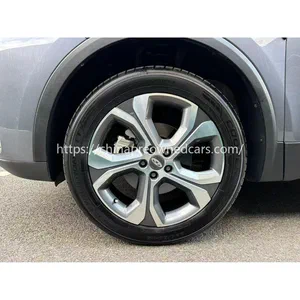
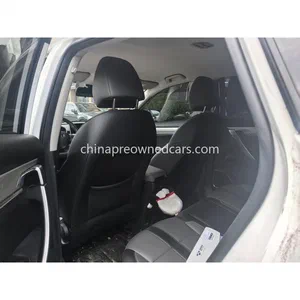
Condition grading provides a structured way to compare vehicles. Cosmetic grading covers paint damage, dents, interior wear, glass, lights and signs of previous body repairs. Mechanical assessment considers the engine, transmission, suspension, steering, brakes, cooling system and electrical equipment. Mileage bands can help organize stock, but their boundaries should be agreed with the exporter rather than treated as a universal grading standard. A grade should describe observed condition, not imply that every component is fault-free.
Service history needs the same scrutiny. Check whether dates, mileage readings and repair descriptions form a consistent sequence. Look for repeated repairs, unexplained gaps, evidence of flood exposure, structural damage or airbag deployment. Diagnostic scans may identify stored fault codes, but a clean scan does not prove that a vehicle has never been damaged or that faults will not recur. For the BYD Atto 3, battery state of health, charging performance and battery fault records deserve separate attention. Hybrid models also require checks of the high-voltage battery and associated systems.
Inspection Findings and Customs Valuation
A pre-shipment inspection can document the vehicle’s identity, visible condition, equipment, odometer reading and selected mechanical functions. The inspection scope matters. A visual assessment cannot establish the full internal condition of an engine or transmission, and a short road test cannot predict future reliability. Buyers should request dated photographs, the VIN, diagnostic findings where available, and a written list of defects. For electric vehicles, ask whether battery diagnostics include a reported state-of-health figure, how it was obtained and whether supporting data are available.

Terms such as export-grade and dealer-grade have no single universal meaning. They should be tied to a written inspection standard that identifies acceptable cosmetic wear, mechanical defects, missing equipment and required repairs. Before agreeing to a purchase, confirm which defects must be disclosed, whether repairs are completed before shipment and how any discrepancy is handled. The exporter should also clarify whether the inspection report is prepared by its own staff or an independent inspector. Neither arrangement guarantees future performance, but clear records make disputes easier to assess.
Customs valuation introduces a separate issue. Many import systems use the CIF value, representing cost, insurance and freight, as a basis for assessing duties or taxes, although the exact valuation method and taxable components depend on local law. Customs authorities may question a declared value if it appears inconsistent with the vehicle’s model, year, condition or comparable transaction values. Age-related charges or restrictions may also apply in some markets, but their calculation and application must be checked against current destination rules. A low purchase price does not automatically mean low customs liability.
For shipments to Nigeria, buyers should confirm the applicable Form M and Pre-Arrival Assessment Report (PAAR) process with their bank, clearing agent and relevant authorities before dispatch. The required sequence and supporting documents should be checked for the specific transaction. A commercial invoice, bill of lading, export declaration and vehicle identification documents are commonly important; a certificate of origin may also be required or requested. Document details should match, especially the VIN, model description, year and declared value. Errors can trigger additional review, while incomplete paperwork may delay cargo release and increase port storage costs.
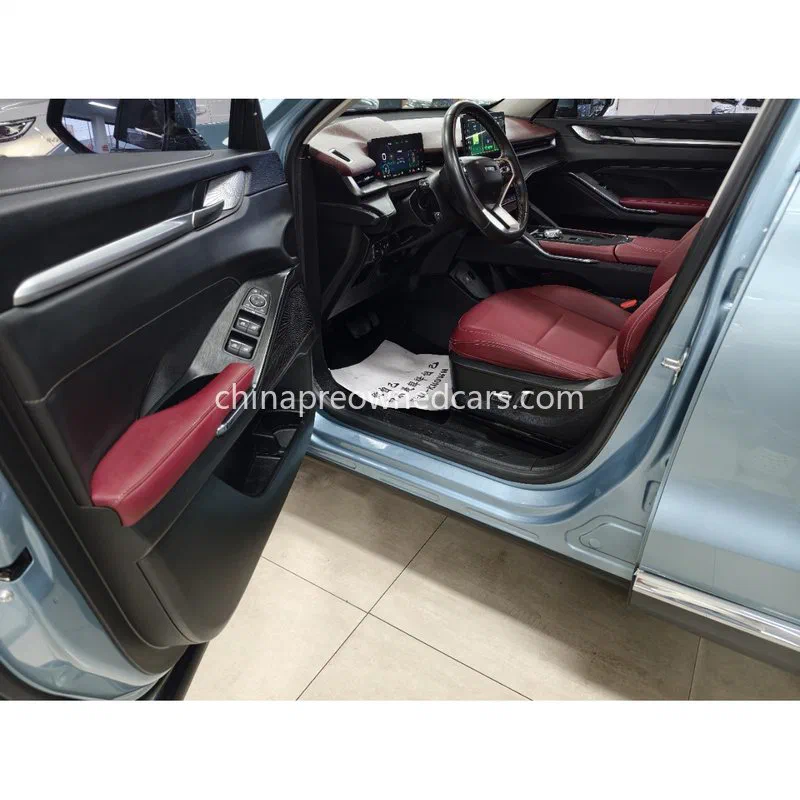
For Ghana, Kenya, Uganda and Tanzania, import eligibility and duty treatment must likewise be confirmed before shipment. Vehicle age, emissions, roadworthiness, drive side and valuation rules can differ by country and may change. Most vehicles in China’s domestic market are left-hand drive, so buyers should verify whether the intended vehicle is eligible for registration in the destination market. A local clearing agent can check current requirements, estimate applicable charges and explain how customs valuation challenges are handled. Buyers should request an itemized estimate rather than relying on a single landed-cost figure. Shipping by RoRo or container also affects freight and handling costs, while inspection discrepancies, missing certificates, valuation disputes and late document submission can all delay clearance.
FAQ
Q: Does low mileage mean a used vehicle is in better condition?
A: Not necessarily. Compare mileage with service records, diagnostic results, wear patterns and inspection findings before making a decision.
Q: Can a pre-shipment inspection guarantee the vehicle’s condition?
A: No. It records the checks performed at a particular time and cannot reveal every hidden defect or predict future failures.
Q: How can buyers reduce customs valuation disputes?
A: Keep consistent invoices, payment records, vehicle identification details and inspection evidence, and ask a destination-country clearing agent to review the declared value before shipment.