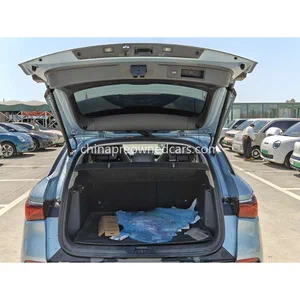

The Geely Coolray and Chery Tiggo 7 Plus occupy different positions in the compact SUV segment, and those differences affect more than the purchase decision. For overseas buyers, engine configuration, vehicle dimensions, fuel consumption and destination-country customs treatment all influence the final landed cost. This comparison examines their technical differences alongside the import procedures relevant to Ghana, Nigeria, Kenya, Uganda and Tanzania.
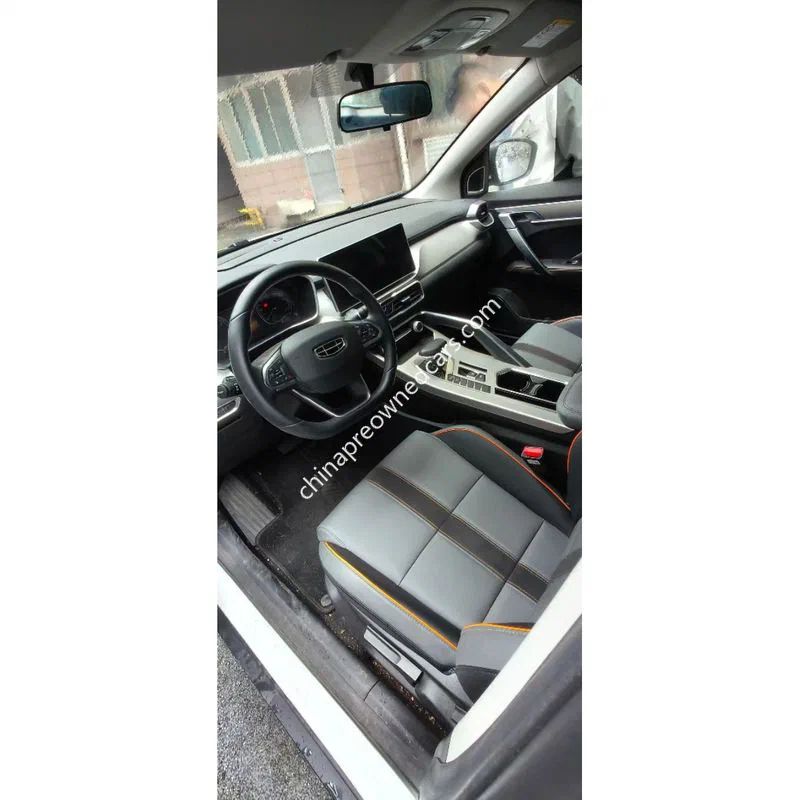
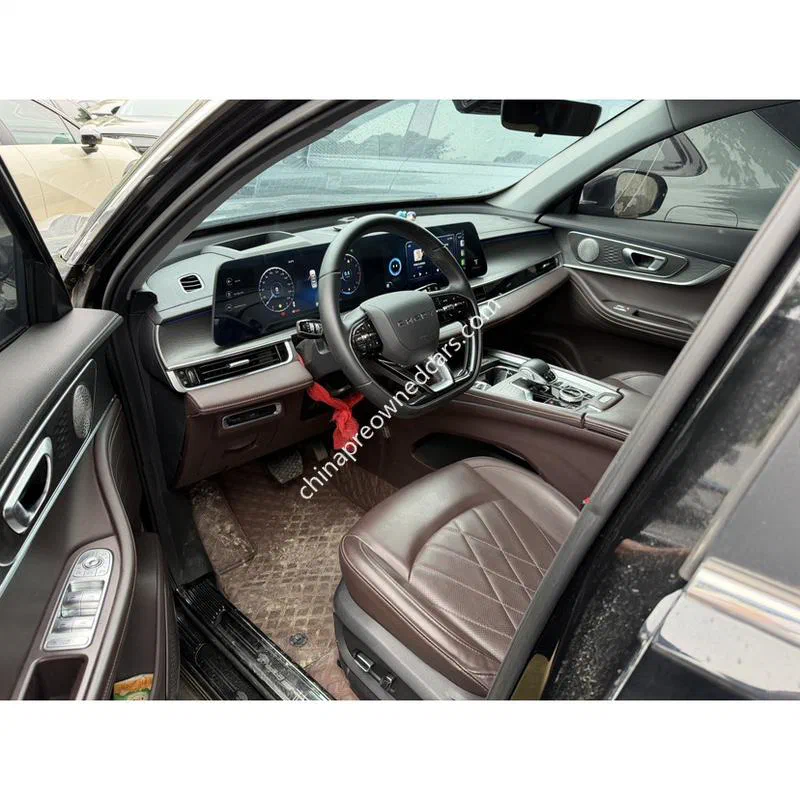
The Geely Coolray is the smaller option, with a compact body that suits urban driving and buyers who prioritise manoeuvrability. Its turbocharged petrol engine provides responsive acceleration, although actual output varies by model year and specification. The Chery Tiggo 7 Plus is larger, with more cabin and luggage space and a broader family-use profile. Its turbocharged petrol powertrain is designed for a different balance of performance and everyday practicality. Buyers should compare the exact engine code, transmission, rated power and torque rather than relying on model names alone. These details also matter when customs authorities assess the declared vehicle specification.
Fuel consumption and emissions deserve particular attention. The Coolray’s smaller dimensions may offer an advantage in some driving conditions, but real-world consumption depends on engine calibration, transmission, traffic and maintenance history. The Tiggo 7 Plus may consume more fuel because of its size and engine configuration, although the difference varies between versions. Neither model should automatically be treated as an electric or hybrid vehicle. Buyers seeking an electrified alternative can consider the BYD Atto 3, while the Chery Tiggo 8 Pro and Haval H6 provide additional SUV options within the export inventory. For petrol vehicles, destination authorities may assess applicable emission standards, engine capacity and vehicle age. Requirements differ across Ghana, Nigeria, Kenya, Uganda and Tanzania, so the current rules should be checked before payment. A search for cheap used car under 3000 also needs careful interpretation: the purchase price alone does not establish the final import cost.
Customs valuation is where the comparison becomes financially significant. Import duty and other applicable taxes are commonly calculated using a customs valuation based on CIF: the vehicle’s cost, insurance and freight to the destination port. Depending on the country’s tariff structure, vehicle age, engine capacity, classification and other factors may affect the assessment. Some markets apply additional age-related charges or restrictions, but these are not uniform and should not be assumed from another country’s rules. Nigeria, in particular, has a formal import documentation process involving Form M and the Pre-Arrival Assessment Report (PAAR). The importer normally initiates Form M through an authorised bank, while the relevant assessment process supports customs valuation before clearance. Ghana, Kenya, Uganda and Tanzania have their own declaration and assessment procedures. Buyers should obtain a current landed-cost calculation from a local clearing agent before confirming an order.

Documentation errors can delay release even when the vehicle has arrived. The export file should include the commercial invoice, sales contract, vehicle registration or ownership documents, export declaration, bill of lading and applicable inspection records. A certificate of origin may also be required to establish the vehicle’s country of origin, depending on the destination’s procedures. China’s used vehicle exports require the appropriate export licensing, customs declaration and pre-shipment inspection. The inspection should record the VIN, odometer reading, engine details, visible damage and operational condition. For the Coolray and Tiggo 7 Plus, buyers should request photographs of the VIN plate and engine identification, together with transmission and diagnostic checks. If customs officers consider the declared value inconsistent with their reference valuation, they may request supporting invoices or reassess the vehicle. A clearing agent helps resolve classification, valuation and document discrepancies, but cannot guarantee acceptance of a declared value.
Shipping arrangements also affect the landed cost. RoRo transport generally suits vehicles that can be driven onto and off the vessel, while container shipping provides enclosed transport and may be preferable for buyers seeking additional protection or coordinating several units. The choice depends on vessel availability, port handling charges and the exporter’s shipping arrangements. Most Chinese domestic vehicles are left-hand drive, including many examples of the Coolray and Tiggo 7 Plus. This creates an important compatibility issue for markets with right-hand-drive requirements. Buyers in Ghana, Nigeria, Kenya, Uganda and Tanzania should confirm whether the specific vehicle configuration is admissible before shipment. Neither model uses an EV charging standard, but buyers considering the BYD Atto 3 should separately verify battery state of health, charging connector compatibility, local charging infrastructure and battery transport requirements. These checks are distinct from conventional petrol-vehicle inspections.
Before committing funds, buyers should request a vehicle-specific quotation showing the purchase value, export preparation, inspection, freight and documentation charges separately. Payment terms should identify the deposit, balance payment trigger and documents supplied before shipment. A condition report should distinguish cosmetic wear from mechanical faults and disclose any available accident or service history; mileage and condition should be independently verified rather than treated as guaranteed. The exporter can coordinate sourcing, pre-shipment inspection, Chinese export clearance and shipping documentation, while the destination clearing agent handles local customs procedures. Buyers should also establish who is responsible for port storage, demurrage and additional inspection costs if paperwork is incomplete. For both models, the correct choice depends on the vehicle’s verified specification, destination eligibility and total CIF-based import cost, not simply the advertised purchase price.

FAQ
Q: Is the Geely Coolray cheaper to import than the Chery Tiggo 7 Plus?
A: Not necessarily. The final cost depends on purchase value, freight, insurance, customs valuation, engine classification and destination-country taxes.
Q: What documents are required to import these SUVs into Nigeria?
A: The process generally involves Form M, PAAR, a commercial invoice, bill of lading, ownership and export documentation, and applicable inspection records. Importers should confirm current requirements with an authorised bank and licensed clearing agent.