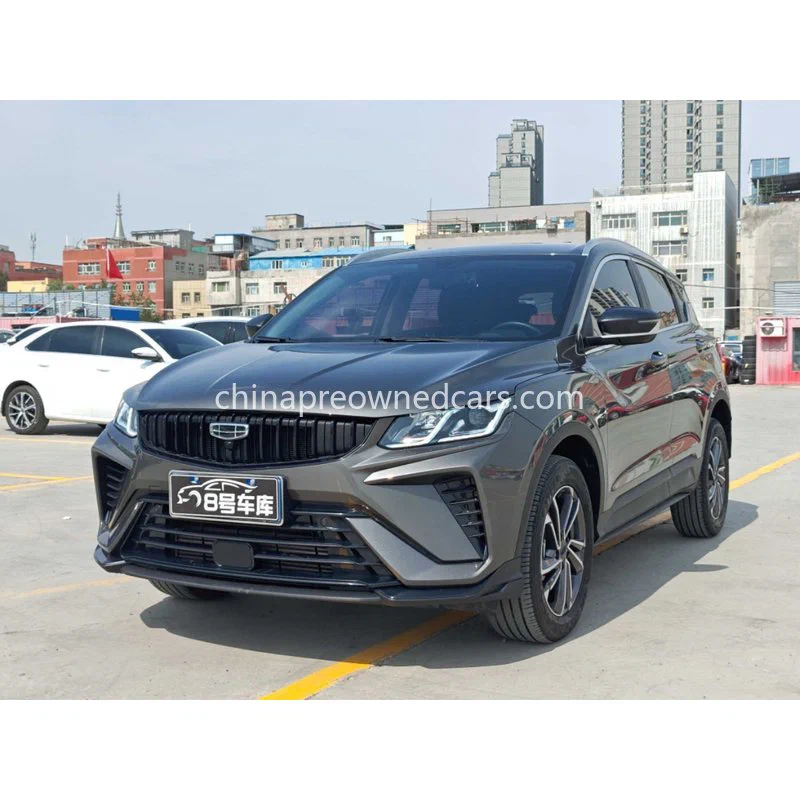
Exporting used vehicles from China to international markets like Africa, the Middle East, and South America involves a structured process to ensure compliance with regulations and to meet buyer expectations. This article outlines the key steps in the vehicle export workflow, covering pre-shipment inspection, documentation, shipping methods, and customs clearance. Understanding these stages is crucial for importers seeking fair price auto used cars from China.
Pre-Shipment Inspection and Certification
Before a vehicle leaves China, it must undergo a mandatory pre-shipment inspection. This process verifies the roadworthiness of the vehicle, ensures compliance with safety and emission standards, and confirms the accuracy of vehicle details such as mileage and VIN (Vehicle Identification Number). This inspection is often conducted by authorized third-party agencies, which provide certification required for customs clearance in the destination country. For electric and hybrid SUVs, additional checks on battery health, including state-of-health reports, are essential to confirm the performance and safety of the vehicle’s energy systems.

Export Documentation Requirements
Documentation is a critical aspect of the export process. Essential documents include a commercial invoice, the vehicle’s certificate of origin, a bill of lading, and a customs declaration. Some destination countries may require additional documents such as Form M or a pre-arrival assessment report (PAAR) for import clearance. Ensuring all documents are accurate and complete can prevent delays at both the exporting and importing ports. Many exporters, including chinapreownedcars.com, handle these paperwork requirements on behalf of their clients, streamlining the process.
Shipping Methods: RoRo vs. Container
Vehicles are typically shipped internationally either via Roll-on/Roll-off (RoRo) vessels or in containers. RoRo shipping is cost-effective and suited for operational vehicles that can be driven onto the vessel. However, it exposes vehicles to potential external damage during transit. Container shipping offers better protection, particularly for high-value or delicate vehicles, but comes at a higher cost. The choice between these methods often depends on the importer’s budget, vehicle type, and destination port facilities.
Customs Clearance and Duty Calculation
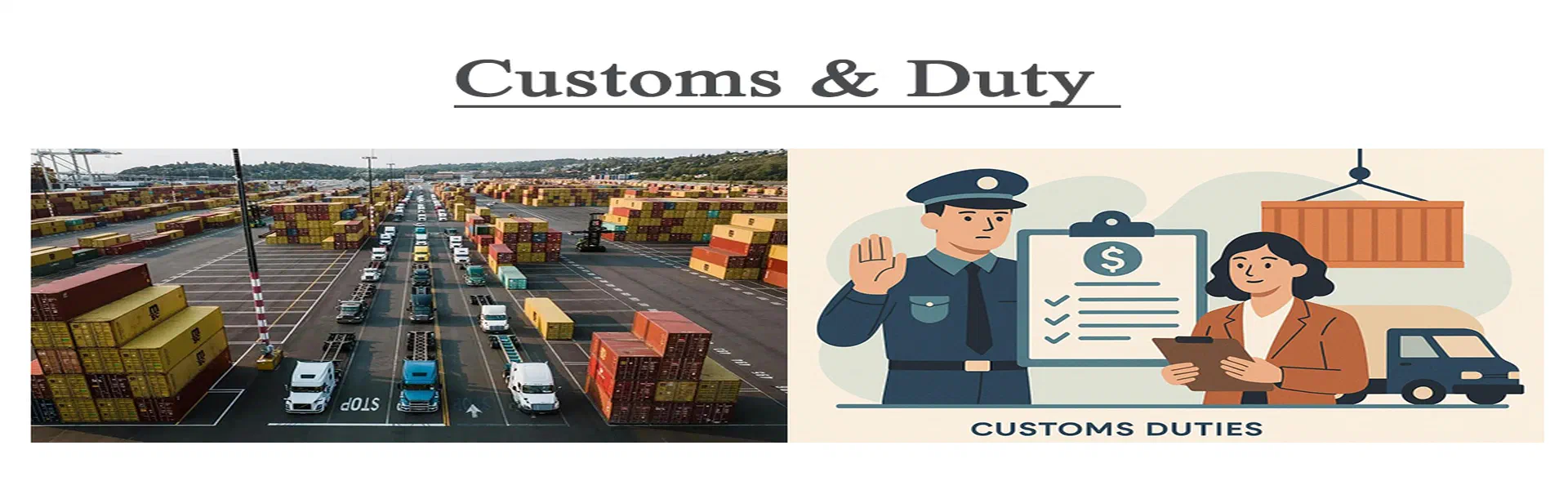
Customs clearance at the destination port involves verifying the shipment against its documentation and ensuring compliance with local regulations. Import duties are usually calculated based on the vehicle’s CIF (Cost, Insurance, and Freight) value, with additional penalties or adjustments for vehicle age or emission standards. Discrepancies in declared value can lead to disputes with customs officials, potentially delaying the release of the shipment. Importers often rely on licensed clearing agents to navigate these complexities efficiently.
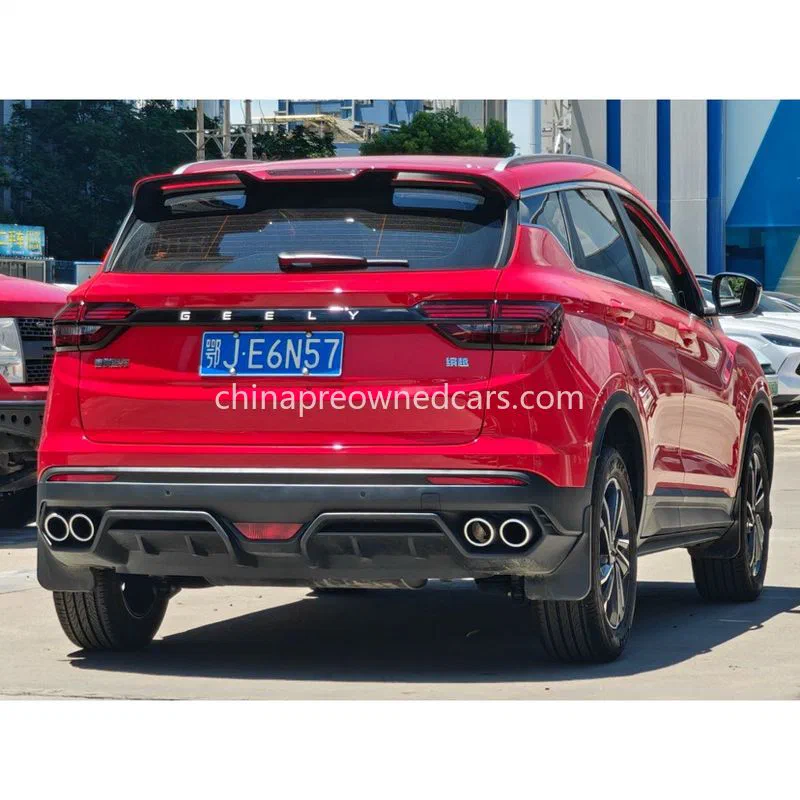
Typical Lead Times and Port Handling
Shipping lead times from China to markets in Africa, the Middle East, and South America vary significantly based on the shipping method, port congestion, and customs processing. While RoRo shipping is generally faster, container shipping may face longer handling times due to additional loading and unloading requirements. Importers are advised to plan for a flexible timeline and coordinate closely with their exporter to receive updates on shipment status.
FAQ
Q: What is the difference between RoRo and container shipping for vehicles?
A: RoRo is cheaper and faster but exposes vehicles to external elements, while container shipping provides better protection at a higher cost.
Q: What documents are required for customs clearance?
A: Commonly required documents include the commercial invoice, bill of lading, certificate of origin, and customs declaration. Destination-specific forms may also be necessary.