Shipping a used vehicle from China involves more than arranging transport to an overseas port. Buyers must account for pre-shipment inspection, Chinese export documentation, destination customs valuation, import duties and port clearance. Each stage affects the final landed cost and the time required to release a vehicle in Ghana, Nigeria, Kenya, Uganda or Tanzania.
Pre-Shipment Inspection and Export Preparation
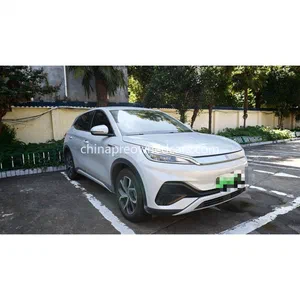
The export process begins with vehicle selection and inspection in China. Before payment and shipment arrangements are finalised, buyers should request a physical inspection covering the vehicle identification number (VIN), odometer reading, bodywork, paint condition, chassis, tyres, brakes, suspension and engine or electric drive system. Diagnostic checks should identify stored fault codes and active warning lights. For electric vehicles such as the BYD Atto 3, battery state of health (SOH), charging performance and battery management system records require particular attention. A hybrid vehicle also needs checks of its combustion engine, electric motor and hybrid battery.
Inspection findings should be recorded in a report supported by dated photographs and, where appropriate, diagnostic results. Any pre-shipment inspection certificate required by the destination authority must be obtained through an accepted inspection provider. A commercial inspection report is not automatically equivalent to a government-recognised certificate. Buyers should confirm the applicable certification requirements before the vehicle leaves China. Once inspection is complete, the exporter arranges the necessary export licensing, customs declaration and supporting paperwork. Discrepancies between the VIN on the vehicle and its documents should be resolved at this stage, not after arrival.
Customs Valuation, Duties and Export Documentation
Import duty calculations generally depend on the customs valuation of the vehicle, its classification and the destination country’s applicable tariff schedule. CIF value, representing cost, insurance and freight, is commonly used as a customs valuation basis, although the precise valuation method and adjustments depend on local regulations. Additional charges may include import duty, taxes, levies, port fees and customs processing costs. Vehicle age can also affect eligibility, valuation adjustments or additional charges in certain markets. Buyers should obtain a current landed-cost assessment rather than rely on an older duty quotation. There is no single duty rate applicable across all five destination countries.
The document package normally includes the commercial invoice, packing list where applicable, export declaration, bill of lading and certificate of origin. The certificate of origin identifies where the vehicle originates and may support customs procedures or tariff treatment where applicable. Nigeria requires particular preparation. Importers generally need to address Form M and the Pre-Arrival Assessment Report (PAAR) through the applicable banking and customs procedures before clearance. These are Nigeria-specific requirements, not universal documents for every African destination. Ghana, Kenya, Uganda and Tanzania each have their own import documentation and assessment procedures. A local clearing agent should confirm current requirements before shipment.
Customs valuation disputes can arise when declared prices differ from reference values, comparable vehicle assessments or supporting payment records. An undervalued invoice may trigger additional scrutiny, reassessment and storage charges. Buyers should retain payment evidence, purchase documentation and vehicle specifications to support the declared transaction value. The clearing agent coordinates declarations, classification, duty assessment and communication with customs. Incomplete paperwork, inconsistent VIN details, missing permits, unpaid charges and unresolved valuation questions are common reasons for delays.
Shipping Method, Port Handling and Lead Times
After Chinese export customs clearance, the vehicle is prepared for loading. RoRo (roll-on/roll-off) shipping is generally suitable for operable vehicles that can be driven onto and off the vessel. It can reduce handling steps and is often economical for standard vehicle shipments. However, vehicles travel in a shared vessel environment, and buyers should understand the carrier’s requirements for personal belongings, fuel levels and vehicle condition. Container shipping offers enclosed transport and may suit higher-value vehicles, non-running units or shipments requiring additional protection. It can involve higher costs for container preparation, loading and handling. Securing the vehicle correctly is essential to reduce movement and contact damage during transit.

Port handling includes export terminal acceptance, vehicle loading, shipping documentation and issuance of the bill of lading. Once the vessel arrives, destination procedures include manifest processing, customs assessment, payment of applicable duties and taxes, inspection where required, and release from the terminal. Port storage and demurrage charges may accumulate if documentation or payments are not ready. Shipping schedules and customs processing times vary with vessel availability, route, port congestion and inspection requirements. Buyers should request a shipment-specific schedule covering export preparation, departure, estimated arrival and destination clearance rather than treating an indicative transit period as a guaranteed delivery date.
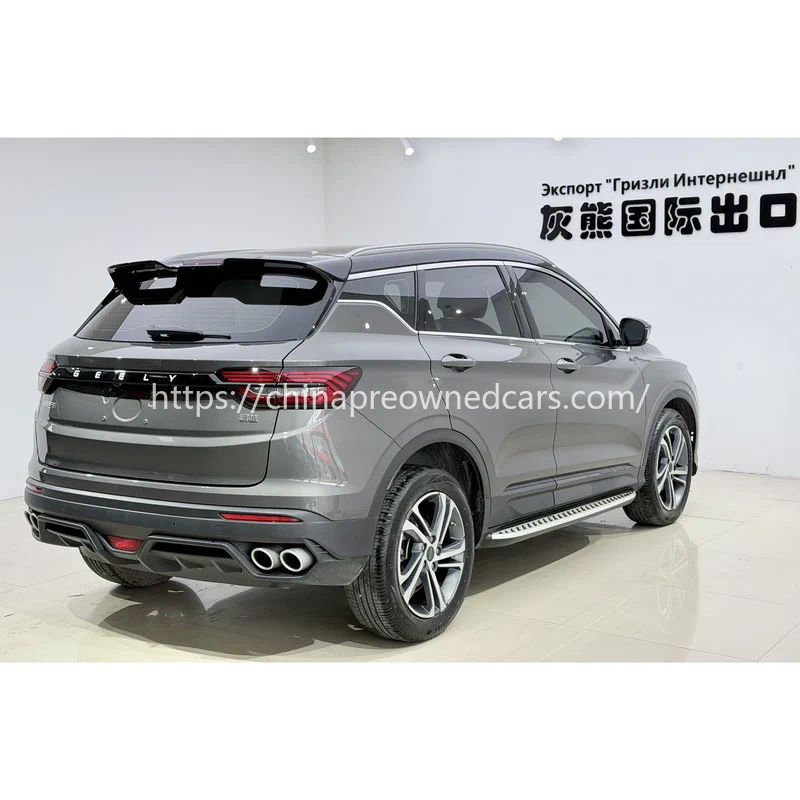
For buyers comparing the best used cars to buy in 2025, vehicle suitability should be assessed alongside import costs and local regulations. The BYD Atto 3, Chery Tiggo 7 Plus, Chery Tiggo 8 Pro, Geely Coolray and Haval H6 offer different powertrain and equipment configurations, but availability and specifications must be checked against the individual vehicle. Most Chinese domestic vehicles are left-hand drive, making drive-side compatibility an important consideration. Ghana, Nigeria, Kenya, Uganda and Tanzania also apply different rules concerning vehicle age, emissions, roadworthiness and import eligibility. Buyers should verify current requirements before placing an order, particularly for electric vehicles where battery condition and transport documentation require additional attention.
FAQ
Q: Are Form M and PAAR required for every used vehicle imported from China?
A: No. Form M and PAAR are associated with Nigeria’s import procedures. Other destinations have their own customs documentation and clearance requirements.
Q: Is RoRo or container shipping better for used cars?
A: RoRo is generally suitable for operable vehicles and may cost less. Containers provide enclosed transport and can offer additional protection, but the total cost and loading requirements should be assessed before booking.