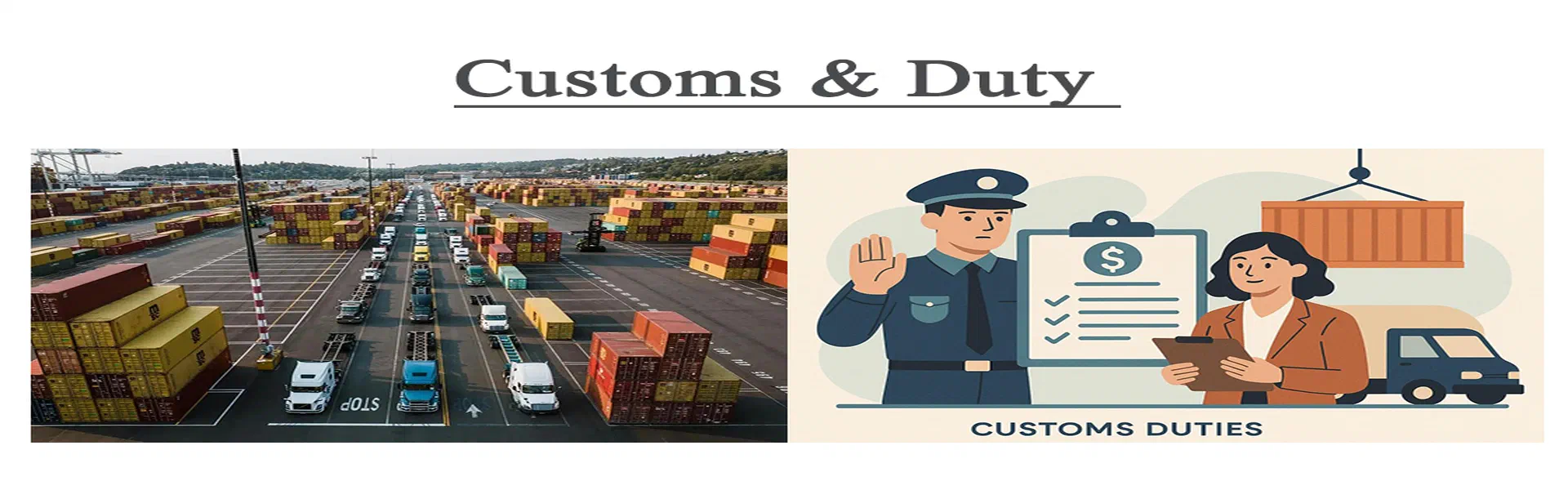

Exporting a used vehicle from China involves more than arranging transport to a destination port. Buyers need to understand the pre-shipment inspection, export documents, customs valuation, import duty calculations, and shipping arrangements before committing to a purchase. For shipments to Ghana, Nigeria, Kenya, Uganda, and Tanzania, the process also depends on the destination country’s current import rules and clearance procedures.
1. Pre-shipment inspection and export documentation
The export workflow begins with vehicle selection and verification. For Chinese-brand SUVs such as the BYD Atto 3, Chery Tiggo 7 Plus, Chery Tiggo 8 Pro, Geely Coolray, and Haval H6, the buyer should confirm the VIN, model year, trim, powertrain, odometer reading, and available service records against the vehicle being offered. Photographs and a live video inspection can help establish the vehicle’s visible condition, but neither replaces a physical inspection.
A pre-shipment inspection should cover the body panels, paintwork, glass, tyres, lights, cabin controls, brakes, suspension, and signs of collision repair or water damage. Diagnostic scanning can identify stored fault codes that are not apparent during a short road test. For electric and hybrid vehicles, the inspection should also address battery condition, charging operation, warning messages, and available battery state-of-health data. Any required inspection certificate or conformity document must be confirmed against the export procedure and destination-country rules; a general condition report is not automatically a legally recognised certificate.
Once the vehicle passes the agreed checks, the exporter prepares the export file. China’s used vehicle exports require the applicable export licence, customs declaration, and pre-shipment inspection arrangements. Supporting paperwork may include the purchase or commercial invoice, vehicle identification details, certificate of origin where required, and transport instructions. The bill of lading is issued through the shipping process, while the certificate of origin establishes the declared origin for purposes determined by the importing authority. Document names and requirements can vary, so the final checklist should be agreed with the destination clearing agent before loading.
2. Customs valuation, import duty, and destination clearance
Import charges depend on the destination country’s tariff classification, customs valuation rules, applicable taxes, and any additional fees. A common valuation reference is CIF, meaning cost, insurance, and freight to the named destination port. Customs may use this basis or another valuation method prescribed by local law. Buyers should not assume that the invoice price alone determines the taxable value, particularly where authorities question whether a transaction reflects the vehicle’s proper customs value.
Vehicle age can also affect admissibility, taxation, or penalties in some markets. The applicable treatment must be checked against current regulations rather than assumed from a general regional rule. Before paying a deposit, buyers should ask a licensed clearing agent to estimate the landed cost using the specific vehicle details, shipping method, declared value, and destination port. A written estimate should separate customs duty, other import taxes, port charges, inspection fees, agent fees, and inland delivery where applicable.
Nigeria requires particular attention to its import-processing sequence. Depending on the transaction and applicable procedures, importers may need Form M and a Pre-Arrival Assessment Report (PAAR), alongside the commercial invoice, transport document, and other supporting records. The importer and authorised bank or processing parties should confirm the current requirements before shipment. These Nigeria-specific documents should not be treated as universal requirements for Ghana, Kenya, Uganda, or Tanzania, each of which has its own customs procedures.

Valuation disputes can arise when the invoice, vehicle description, declared condition, or customs reference values do not align. An undervalued declaration may lead to reassessment, additional charges, penalties, or prolonged clearance. The clearing agent coordinates submissions, responds to customs queries, arranges payment of assessed charges, and monitors release procedures. The importer remains responsible for ensuring that declarations and supporting documents are accurate. Missing paperwork, inconsistent VIN details, incorrect tariff classification, and late payment are common sources of avoidable delay.
3. RoRo versus container shipping and port handling
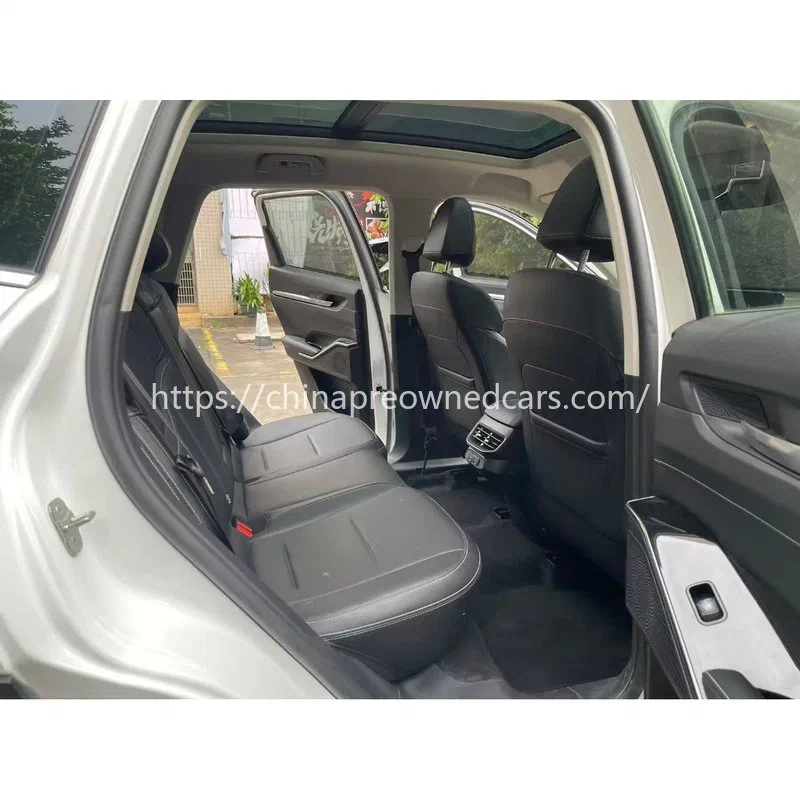
Roll-on/roll-off (RoRo) shipping is often suitable for vehicles that can be driven or moved under their own wheels and meet the carrier’s acceptance requirements. The vehicle is driven onto and off the vessel, reducing the need for individual container loading. RoRo can be economical for standard shipments, although sailing schedules, route availability, port charges, and cargo handling policies all affect the final cost. Vehicles may be exposed to more shared handling and port movement than individually secured container cargo, so buyers should document the condition before handover and understand the carrier’s liability terms.
Container shipping offers a different balance. A vehicle is secured inside a container, which can provide greater protection from weather and some handling exposure. However, loading, lashing, container use, and destination unloading add costs and require careful coordination. Container dimensions, vehicle clearance, securing methods, and carrier rules matter. Electric vehicles may also be subject to additional carrier requirements related to battery status and transport classification. The exporter and freight forwarder should confirm acceptance conditions before booking rather than assuming every used EV can be shipped under ordinary vehicle-cargo procedures.
After loading, the exporter or freight forwarder coordinates port delivery, shipping instructions, and the bill of lading. The buyer should verify the consignee name, destination port, vessel details, and document release arrangements. Export preparation, inspection, customs processing, vessel scheduling, ocean transit, and destination clearance are separate stages; there is no single reliable lead time for every route. Port congestion, missed sailing cut-offs, documentation amendments, customs examinations, and unpaid charges can extend the schedule. Buyers comparing online listings or the best car apps for used cars should treat advertised availability and condition as preliminary information until the vehicle and export arrangements are verified.
FAQ
Q: What documents are needed to import a used car from China into Nigeria?
A: Depending on the applicable procedure, the file may include Form M, PAAR, a commercial invoice, bill of lading, certificate of origin where required, and vehicle or inspection documents. Confirm the current checklist with the authorised processing parties and a Nigerian clearing agent before shipment.
Q: Is RoRo or container shipping better for a used SUV?
A: RoRo may suit standard vehicles when suitable sailings are available, while container shipping may offer greater protection at additional loading and handling cost. Compare the full freight quotation, carrier acceptance rules, insurance terms, and destination charges before choosing.