Choosing used SUVs for African markets requires more than comparing purchase prices. Import duties, vehicle age restrictions, left-hand-drive suitability and local fuel or charging access all affect the final cost and usability. For buyers in Ghana, Nigeria, Kenya, Uganda and Tanzania, customs preparation should begin before a vehicle is purchased in China.
Import duty calculations generally start with the customs valuation of the vehicle, often based on CIF value: cost, insurance and freight to the destination port. The applicable duty and taxes depend on the destination country’s current tariff rules, vehicle classification, valuation method and any additional charges. Some markets apply age-related penalties or restrictions, which can raise the landed cost of older vehicles. Buyers should obtain a current landed-cost estimate from a local clearing agent rather than calculate profitability from the export price alone. A car search used cars process should therefore compare the expected customs bill alongside the vehicle’s purchase price, shipping method and likely maintenance costs.

Documentation is central to clearing a shipment. Depending on the destination, the file may require the commercial invoice, bill of lading, export declaration, certificate of origin and inspection documents. Nigeria also uses Form M and the Pre-Arrival Assessment Report (PAAR) within its import process; importers should confirm the applicable procedures and document requirements with their authorised bank and clearing agent before shipment. Ghana, Kenya, Uganda and Tanzania have their own customs processes and may require additional permits or conformity documents. Export licensing and Chinese customs declaration must also be completed, alongside the required pre-shipment inspection. Incomplete paperwork, inconsistent VIN details, disputed customs valuation or missing approvals can hold a vehicle at the port and add storage charges.
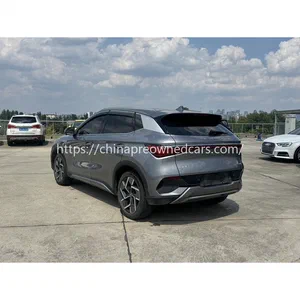
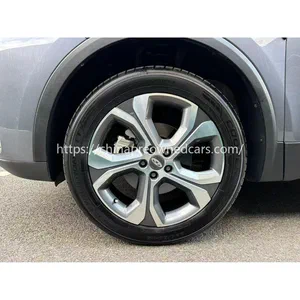
Vehicle choice affects both compliance and operating costs. The BYD Atto 3 is a battery-electric SUV, so buyers need to assess battery state of health, charging access, battery transport arrangements and local repair support. Hybrid suitability depends on the exact powertrain and vehicle specification; buyers should verify whether a particular unit is a conventional hybrid or plug-in hybrid before comparing running costs. The Chery Tiggo 7 Plus, Chery Tiggo 8 Pro, Geely Coolray and Haval H6 offer alternatives for buyers prioritising SUV space or conventional refuelling, but specifications vary by version. Most Chinese domestic vehicles are left-hand drive. That may suit Ghana, Nigeria and other left-hand-drive markets, but it creates a fundamental obstacle in right-hand-drive markets such as Kenya, Uganda and Tanzania unless a compliant right-hand-drive vehicle is specifically sourced. Rough roads, heat, dust and flood exposure also make suspension, cooling, air conditioning and underbody checks important.
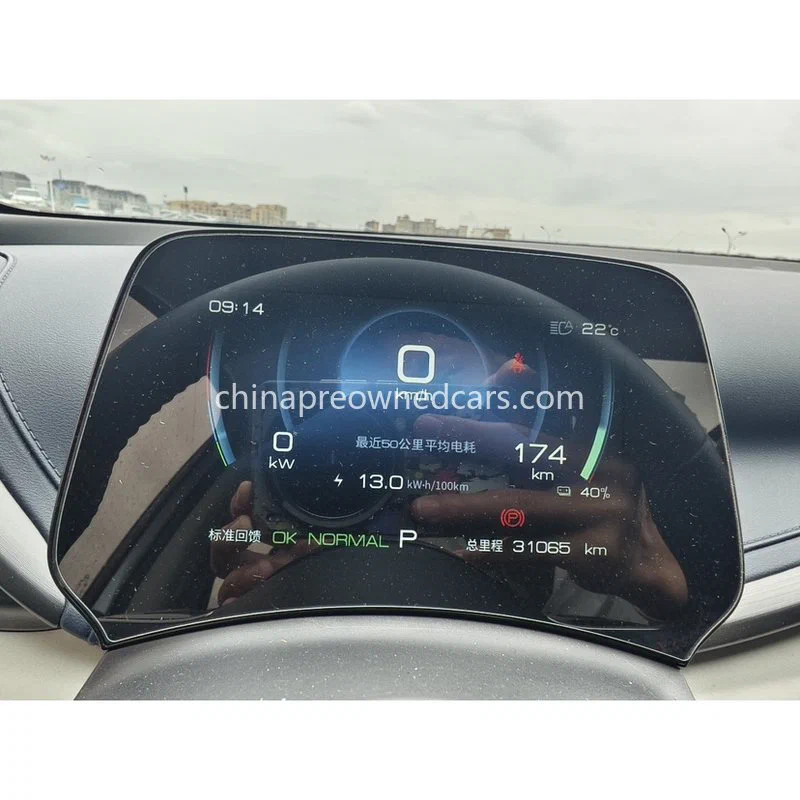
Before payment, request the VIN, production year, powertrain details, service records where available, mileage evidence and a condition report supported by inspection photographs. For electric vehicles, ask for a battery health assessment and charging-system check; for all vehicles, verify that the reported condition and equipment match the actual unit. Confirm the destination’s current rules on vehicle age, emissions, roadworthiness and drive side before authorising shipment. RoRo shipping can suit vehicles shipped as rolling cargo, while container shipping may offer additional protection or accommodate specific handling requirements. Compare both options against freight, insurance, port charges and destination clearance costs. Agree in writing on payment milestones, document delivery, responsibility for inspection findings and the scope of after-sales support. Customs clearance is easier to plan when the exporter, importer and clearing agent confirm the same vehicle details and paperwork before departure.
FAQ
Q: How are import duties calculated for used cars from China?

A: Customs commonly uses a valuation based on CIF or another prescribed customs valuation method, then applies the destination’s relevant duties and taxes. Age-related penalties and other charges may also apply, so buyers should confirm the current calculation with a local clearing agent.
Q: What documents may be required to import a used car into Nigeria?
A: Documents may include the commercial invoice, bill of lading, certificate of origin and applicable inspection records, alongside Nigeria’s Form M and PAAR procedures. Requirements should be confirmed with the authorised bank and clearing agent before shipping.
Q: Are Chinese hybrid and electric SUVs suitable for East African markets?
A: Suitability depends on drive side, import rules, road conditions and access to fuel, charging and maintenance. Buyers in Kenya, Uganda and Tanzania should pay particular attention to right-hand-drive compliance, while electric SUV buyers should also verify battery health and charging compatibility.