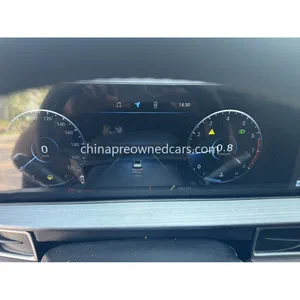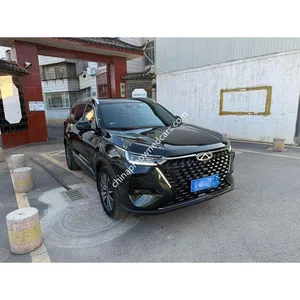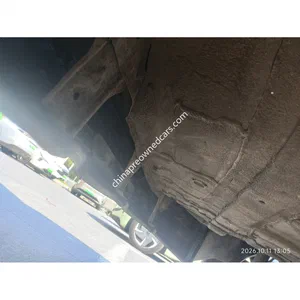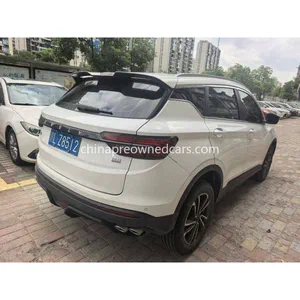
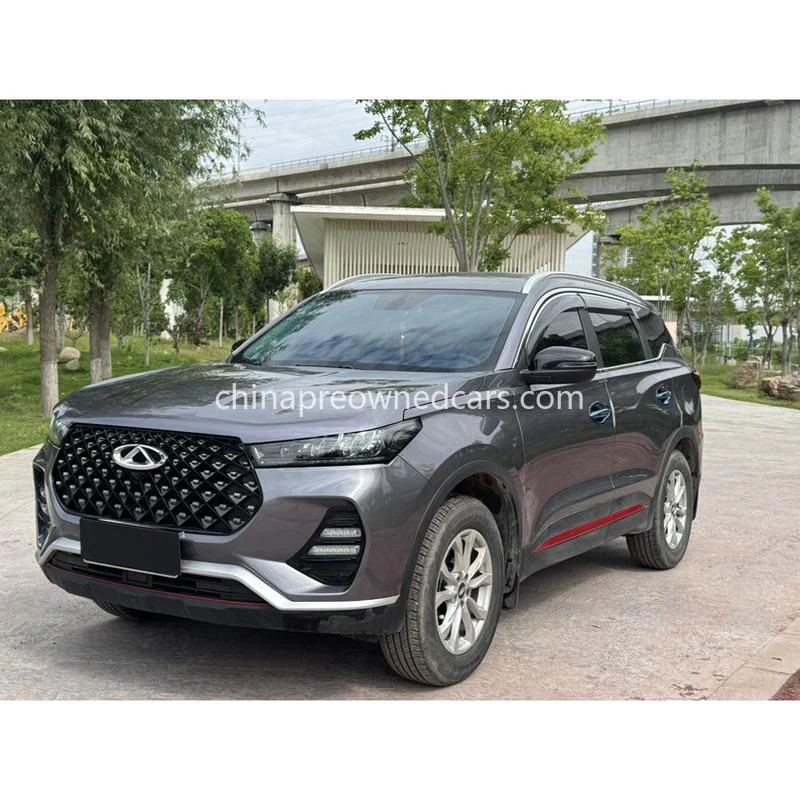
Exporting used vehicles from China involves a series of well-defined steps, ensuring compliance with international regulations and meeting the specific requirements of the destination markets. This article outlines the workflow of exporting vehicles, including important aspects such as pre-shipment inspection, export documentation, shipping methods, and customs clearance processes.
Pre-shipment inspection is a critical stage in the export workflow. This inspection typically covers several key areas, including vehicle condition, safety features, and operational functionality. Inspectors evaluate the engine, brakes, tires, and overall body condition. Certification from recognized entities is often necessary, ensuring that the vehicle meets the required standards for export. Buyers should be aware that inspections may vary based on the destination country, so confirming specific requirements is advisable.

Export documentation is essential for legally shipping vehicles. Key documents include the customs declaration, bill of lading, and certificate of origin. The customs declaration details the vehicle’s specifications, value, and purpose of export. The bill of lading serves as a receipt for the shipping company, while the certificate of origin verifies the vehicle’s manufacturing country. Depending on the market, additional documents such as Form M and PAAR may be required for customs clearance. Missing or incorrect documentation can lead to delays and complications during the export process.
When it comes to shipping methods, two primary options are available: RoRo (Roll-on/Roll-off) and container shipping. RoRo is often more cost-effective, allowing vehicles to be driven directly onto the vessel. However, this method may pose a higher risk of damage during transit. Container shipping, while generally more expensive, provides added protection for the vehicle, reducing the risk of damage. The choice between these methods should be based on the vehicle type, budget, and risk tolerance.
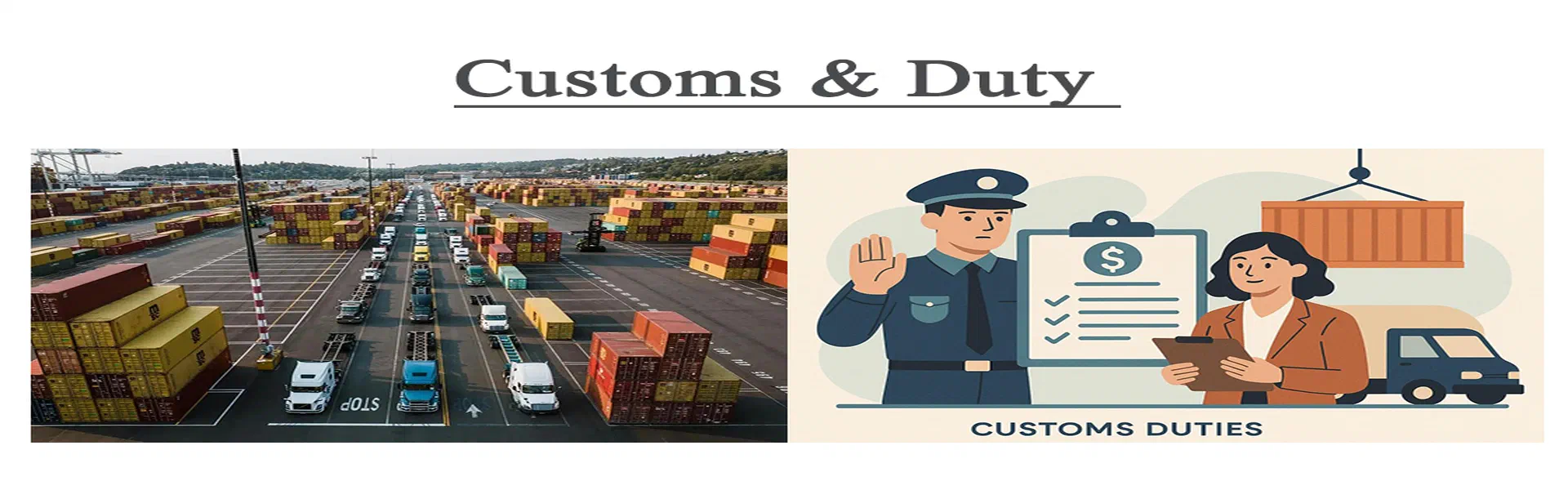
Port handling plays a significant role in the overall export process. Once the vehicle arrives at the destination port, it is subject to customs clearance procedures. This involves inspections by local customs authorities, who verify the authenticity of the documentation and the condition of the vehicle. Delays can occur if discrepancies arise or if additional inspections are deemed necessary. Engaging a clearing agent can facilitate smoother customs clearance, as they are familiar with local regulations and procedures.
Lead times for shipping can vary based on several factors, including the shipping method chosen and the distance to the destination port. Generally, RoRo shipping may take around 15-25 days, while container shipping could require additional time for loading and unloading at ports. It is important for buyers to factor in these timelines when planning their purchases and logistics.
Customs and duty calculations often depend on the Cost, Insurance, and Freight (CIF) value of the vehicle. Duties may be influenced by the age of the vehicle, with older models potentially incurring higher penalties. Buyers should be prepared for valuation disputes, as customs authorities may challenge the declared value of the vehicle. Proper documentation can assist in resolving such disputes.
Finally, buyers should be aware of the market-specific requirements that apply to their destination countries. Many markets, particularly in Africa and the Middle East, have regulations regarding vehicle age, emission standards, and left-hand drive configurations. Understanding these regulations is crucial for ensuring compliance and avoiding unexpected challenges upon arrival.
FAQ
Q: What is the purpose of pre-shipment inspection? A: Pre-shipment inspection ensures that vehicles meet the necessary safety and operational standards before export.
Q: What documents are required for customs clearance? A: Required documents typically include the customs declaration, bill of lading, and certificate of origin, among others.
Q: How are shipping lead times affected by the chosen shipping method? A: Lead times vary depending on whether RoRo or container shipping is used, with RoRo generally taking less time.