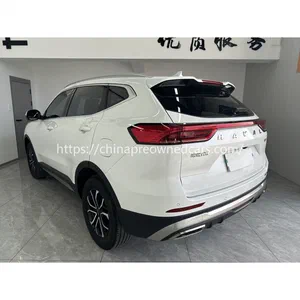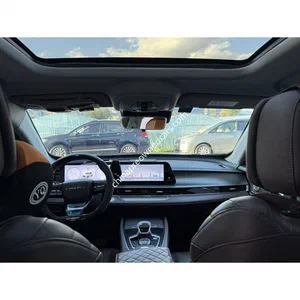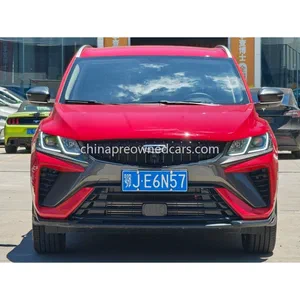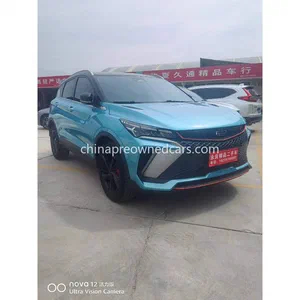
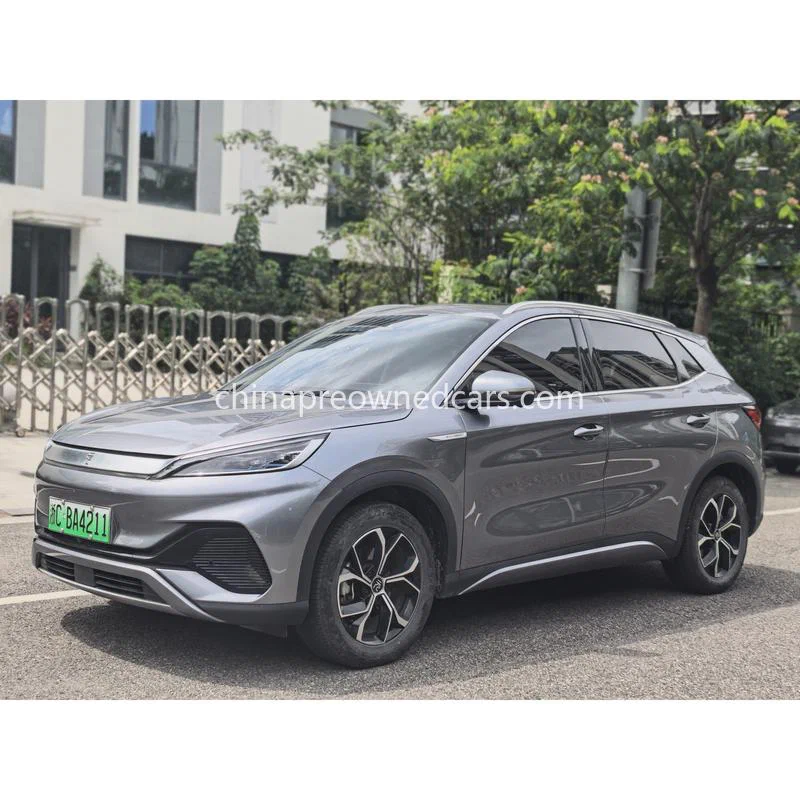
Exporting electric and hybrid vehicles requires careful consideration of battery health and related regulations. Buyers must evaluate battery state-of-health, as this directly affects vehicle performance and resale value. Appropriate charging standards, such as GB/T, CCS, and CHAdeMO, should also be considered, as different markets in Africa and the Middle East may accept varying types. Furthermore, compliance with battery transport regulations, including UN 3480 for dangerous goods, is essential to ensure safe shipping.
Customs and duty processes for imported vehicles can be complex. Duty is typically calculated on a Cost, Insurance, and Freight (CIF) basis, and imported vehicles can face age penalties. Required documents include Form M, PAAR, and a certificate of origin, all necessary for customs clearance. Buyers should be prepared for potential valuation disputes, which can arise when the declared value of the vehicle differs from customs assessments. Engaging a skilled clearing agent can streamline this process and mitigate delays.

Evaluating the charging infrastructure in the destination market is vital. Many African countries are enhancing their electric vehicle charging networks, but availability can vary significantly. Buyers should verify whether the destination country has the necessary facilities to support electric and hybrid vehicles. Additionally, range and battery degradation can impact resale value; thus, buyers should assess both before making a purchase.
Before finalizing a deal, buyers should conduct thorough checks on vehicle condition and history. This includes verifying battery health through inspection reports and understanding the vehicle’s previous usage. Payment terms should be clearly outlined, and shipping lead times can vary, typically ranging from 15 to 25 days depending on the chosen transport method, whether RoRo or container shipping. After-sales support is another important consideration, especially for electric vehicles, where servicing may require specialized knowledge.
FAQ
Q: What should I check regarding battery health before purchasing an electric vehicle?
A: Verify the battery state-of-health through inspection reports and consider age-related degradation.
Q: How is customs duty calculated for imported vehicles?
A: Customs duty is calculated on a CIF basis, and age penalties may apply depending on the vehicle’s condition.
Q: What documentation is required for vehicle customs clearance?
A: Key documents include Form M, PAAR, and a certificate of origin to facilitate the customs process.