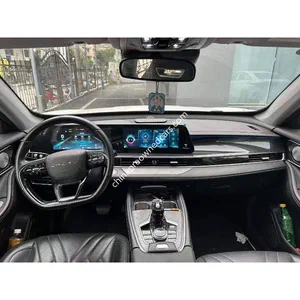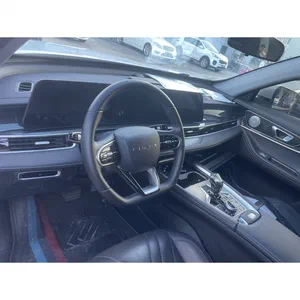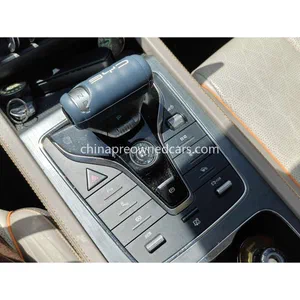
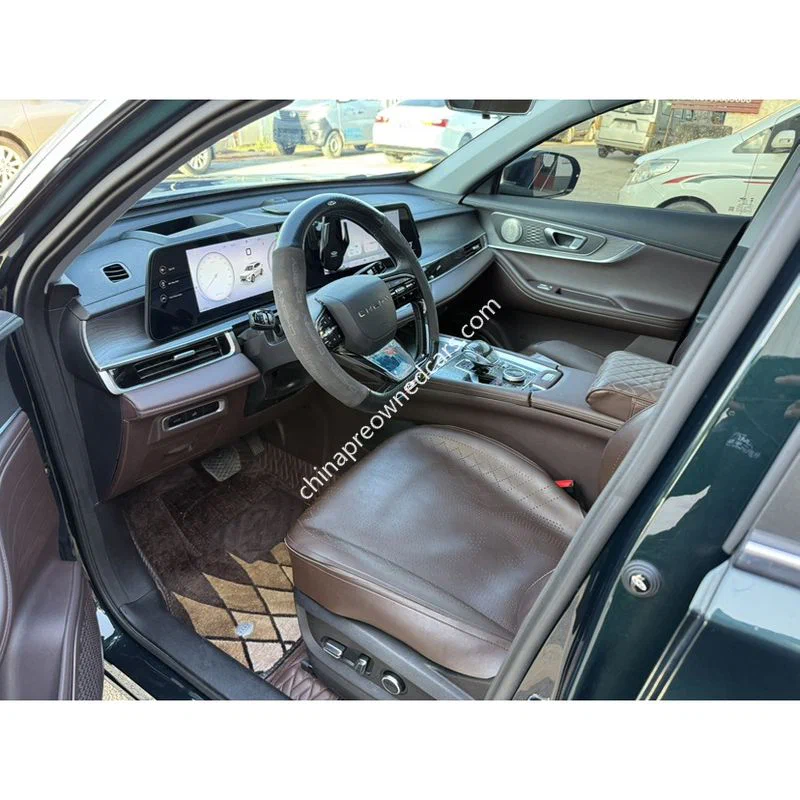
Electric and hybrid vehicles have distinct considerations for export, especially regarding battery health and charging standards. For buyers looking to source cpo used vehicles, understanding these aspects is essential. Battery state-of-health assessments are critical; they determine the remaining capacity and potential lifespan of the vehicle’s battery, which directly influences resale value. As battery performance degrades, range diminishes, impacting a vehicle’s marketability in overseas markets.
There are different charging connector standards globally, including GB/T, CCS, and CHAdeMO. Buyers must verify which standards are accepted in their target markets. For instance, many countries in Africa and parts of the Middle East primarily accept GB/T connectors, making it essential for exporters to source vehicles equipped with this standard. Additionally, battery transport regulations, such as UN 3480, categorize lithium-ion batteries as dangerous goods, requiring special handling during shipment. Buyers should ensure compliance with these regulations to avoid delays.
Export procedures also include customs clearance, which can be complex. Duty is typically calculated on a Cost, Insurance, and Freight (CIF) basis, and various age penalties may apply depending on the destination market. Essential documents for customs include the Form M, PAAR, and a certificate of origin. Disputes over vehicle valuation can cause delays, so having accurate documentation is crucial. Engaging a competent clearing agent can facilitate smoother customs clearance, ensuring timely delivery to the intended port.
Before purchasing electric or hybrid vehicles for export, buyers should verify several key factors. Confirm the battery state-of-health and overall vehicle condition through pre-shipment inspections. Understanding the charging infrastructure in the destination market is vital, as it influences the vehicle’s usability and demand. Additionally, checking for compliance with local emission standards, which can vary significantly from one country to another, is essential for avoiding potential import issues.

FAQ
Q: What should I check regarding battery health before purchasing an EV for export?
A: Verify the battery state-of-health through inspection reports, which indicate its remaining capacity and expected performance.
Q: What charging standards should I consider for vehicles exported to Africa?
A: Most African markets prefer GB/T connectors, so ensure vehicles are equipped with compatible charging technology.
Q: How is duty calculated for exported vehicles?
A: Duty is usually calculated on a CIF basis, which includes the cost, insurance, and freight, along with potential age penalties.