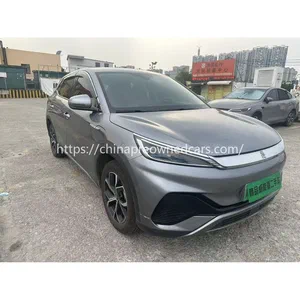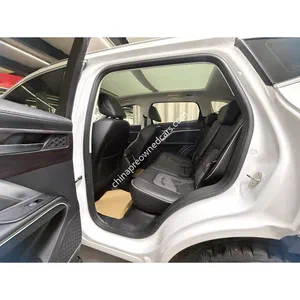

Choosing between battery electric and hybrid SUVs involves several critical factors, particularly when considering export to markets such as Ghana, Nigeria, Kenya, Uganda, and Tanzania. Each vehicle type presents distinct advantages and limitations that can influence a buyer’s decision, especially in terms of powertrain efficiency, emissions compliance, and available service support. This article compares these two options, focusing on specifications, export suitability, and practical buyer guidance.
Battery electric vehicles (BEVs) rely solely on electric power, offering zero-emission driving and lower operating costs due to fewer moving parts and reduced fuel consumption. In contrast, hybrid vehicles combine an internal combustion engine with an electric motor, providing a flexible driving experience with extended range capabilities. For instance, models like the BYD Atto 3 and Chery Tiggo 8 Pro showcase the advancements in electric technology, allowing for significant mileage on a single charge, while hybrids like the Geely Coolray maintain versatility for longer trips without the concern of charging infrastructure.
When considering emission standards, it’s essential to note that many African countries have specific regulations regarding vehicle age and environmental compliance. BEVs generally align better with stringent emission regulations due to their zero tailpipe emissions. However, hybrid vehicles may also comply with lower emissions standards, making them suitable for markets with varying regulations. It is advisable for buyers to verify the current emission requirements in their respective countries before making a purchase.
Powertrain efficiency is another key factor. BEVs tend to have higher energy efficiency than hybrids, converting a greater percentage of stored energy to power. For example, the Haval H6 offers a hybrid option that can serve well in regions with less developed charging infrastructure, while still providing better efficiency than traditional gasoline vehicles. Buyers should weigh their driving habits and the availability of charging stations against the benefits of enhanced fuel economy.
Charging infrastructure is crucial for BEVs. In urban areas within export markets, the growth of charging stations is promising, yet rural regions may lack adequate facilities. Buyers should assess the charging options available in their locale. Hybrid vehicles mitigate this issue by utilizing both electric and gasoline power, offering a more flexible solution for buyers in areas where charging stations are sparse. Hence, understanding local infrastructure can influence the decision on what used car to buy in 2024.
Parts and service availability is another area of concern. While the popularity of electric vehicles is rising, the service network may not be as developed as for traditional vehicles or hybrids. Buyers should consider the availability of spare parts and service centers for the specific models they are interested in, such as the Chery Tiggo 7 Plus or the BYD Atto 3. Ensuring access to adequate support will aid in long-term vehicle maintenance.

Export procedures involve several steps, including pre-shipment inspections, customs clearance, and documentation. Buyers must prepare specific documents such as Form M, PAAR, and a certificate of origin to facilitate customs clearance. Additionally, understanding the role of clearing agents can help streamline the process and avoid delays. Exporting vehicles typically occurs via RoRo (Roll-on/Roll-off) or container shipping, with each method offering different security and cost implications.
Duty calculation for imported vehicles often considers the cost, insurance, and freight (CIF) value. Age penalties may also apply, impacting the overall duty payable. Buyers should be aware of the valuation disputes that can arise during customs clearance and ensure they have accurate valuations documented. It is advisable to consult with an experienced clearing agent to navigate these complexities efficiently.
FAQ
Q: What should I consider when choosing between electric and hybrid SUVs for export?
A: Consider factors like emission standards, local charging infrastructure, parts availability, and your driving habits. Each option has distinct advantages based on these elements.
Q: What are the key documents required for vehicle export to African markets?
A: Required documents typically include Form M, PAAR, and a certificate of origin. Consulting with a clearing agent can help ensure all paperwork is correctly prepared.