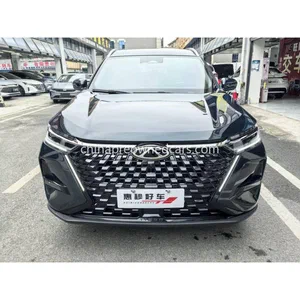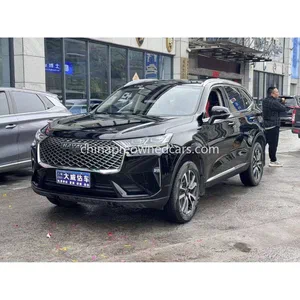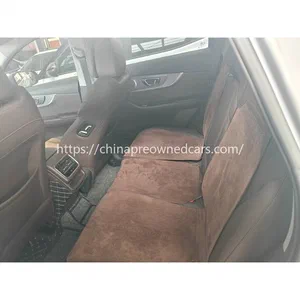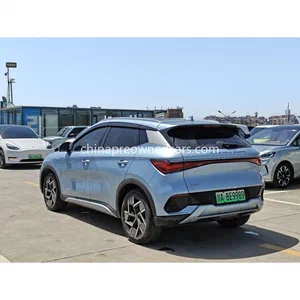
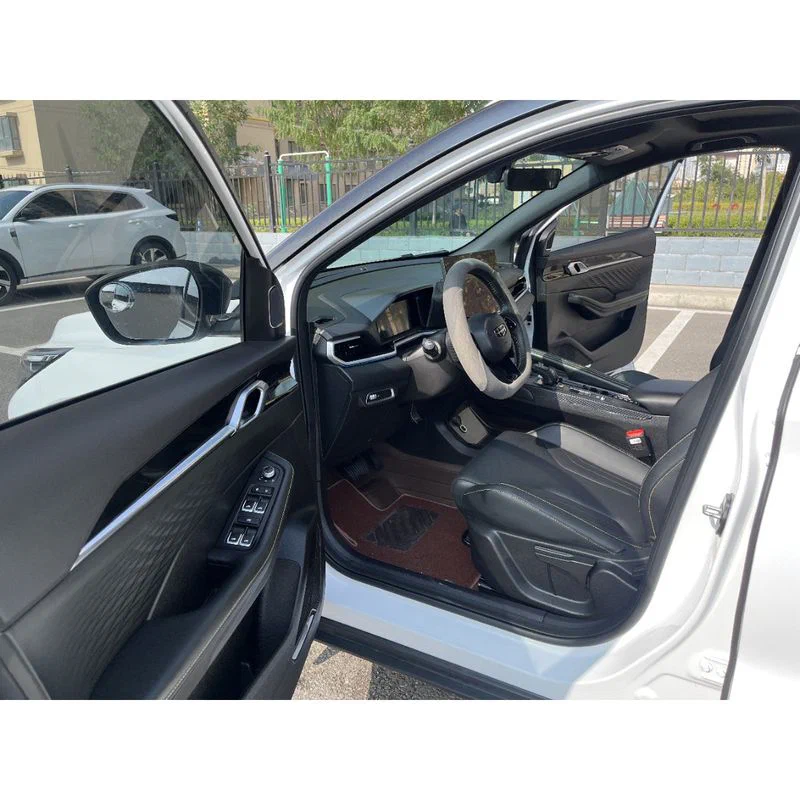
Kenya’s growing charging network is making it an increasingly viable destination for electric vehicles (EVs) and hybrid SUVs. However, buyers must navigate specific import requirements, customs duties, and market conditions to ensure a smooth import process. This article examines key considerations for importing EVs and hybrids, with a focus on models like the BYD Atto 3 and Haval H6, which align with Kenya’s automotive needs.
Import Requirements and Market Conditions
Kenya operates on a left-hand drive (LHD) system, making Chinese-made vehicles a natural fit since most are manufactured with LHD configurations. Import regulations typically restrict the age of used vehicles to ensure roadworthiness and compliance with emissions standards. Buyers should verify the latest import regulations to ensure their selected vehicle meets these requirements. Kenya’s road conditions also demand vehicles with durable suspension systems, a factor that makes models such as the Chery Tiggo 8 Pro and Haval H6 particularly suitable.
Charging infrastructure is expanding in urban areas, but remains limited in rural regions. Buyers should consider hybrid SUVs like the Chery Tiggo 7 Plus, which offer the flexibility of both electric and fuel-based operation, ensuring usability even where charging stations are sparse. Battery health and range are critical factors for EVs; request a detailed battery state-of-health report during the purchase process.
Customs Duties and Documentation
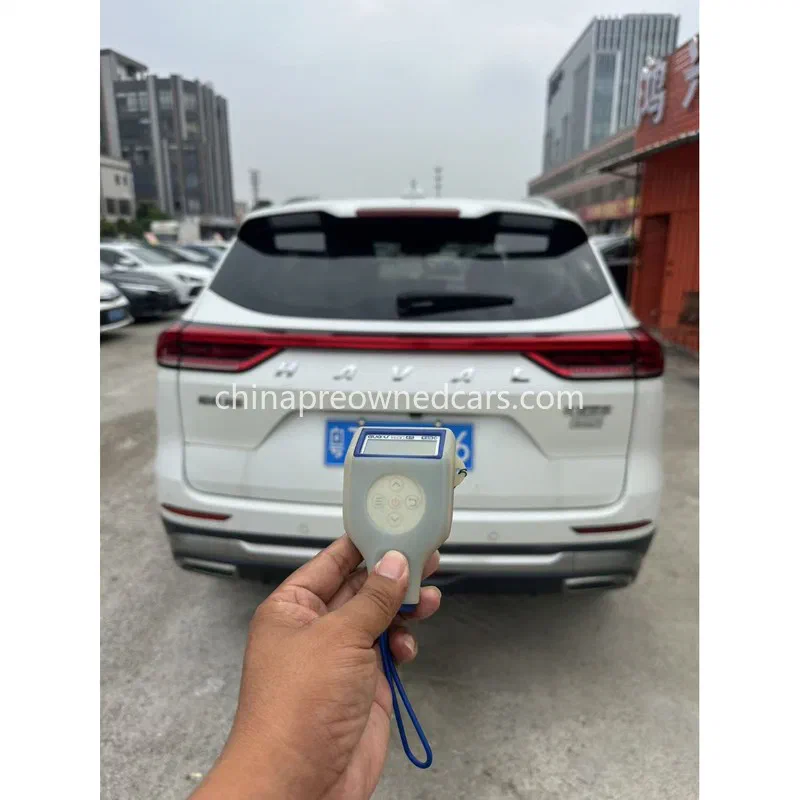
Customs duties in Kenya are calculated based on the CIF (Cost, Insurance, and Freight) value of the vehicle. Additional surcharges may apply depending on the vehicle’s age and emission standards. Buyers should be prepared to provide key documents, including a certificate of origin, a pre-shipment inspection (PSI) report, and import declaration forms. The PSI is mandatory to verify the vehicle’s compliance with Kenyan standards before shipping.
Clearing agents play a crucial role in the custom clearance process, helping to navigate valuation disputes and avoid potential delays. It’s advisable to engage an experienced agent familiar with automotive imports to streamline documentation and expedite customs processes. Delays can also occur if documentation is incomplete or if discrepancies arise in the declared value of the vehicle.

Shipping and Lead Times
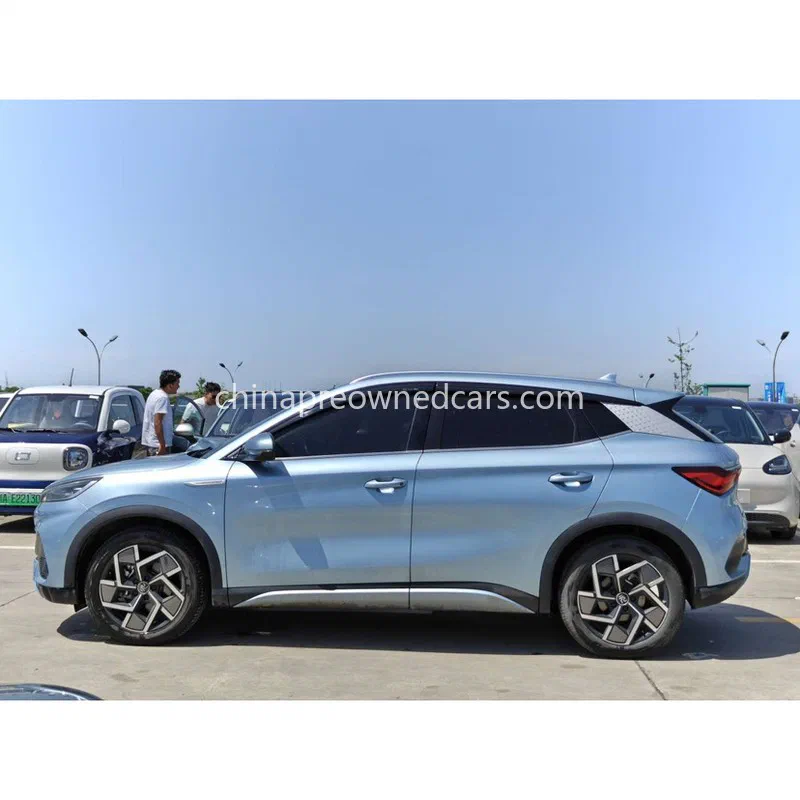
Vehicles can be shipped to Kenya via roll-on/roll-off (RoRo) vessels or in containers. RoRo is often more cost-effective, though container shipping provides additional protection, especially for high-value EVs. Shipping lead times vary depending on the port of origin, with typical durations ranging from three to six weeks. Buyers should factor in additional time for customs clearance upon the vehicle’s arrival in Kenya.
To minimize delays, it is advisable to negotiate with the used car dealer to ensure all export documents are in order before the vehicle leaves China. Key documents include the bill of lading, proforma invoice, and vehicle inspection report. Clear communication with the exporter about shipping schedules and any additional fees is also crucial.
Vehicle Selection and Battery Considerations
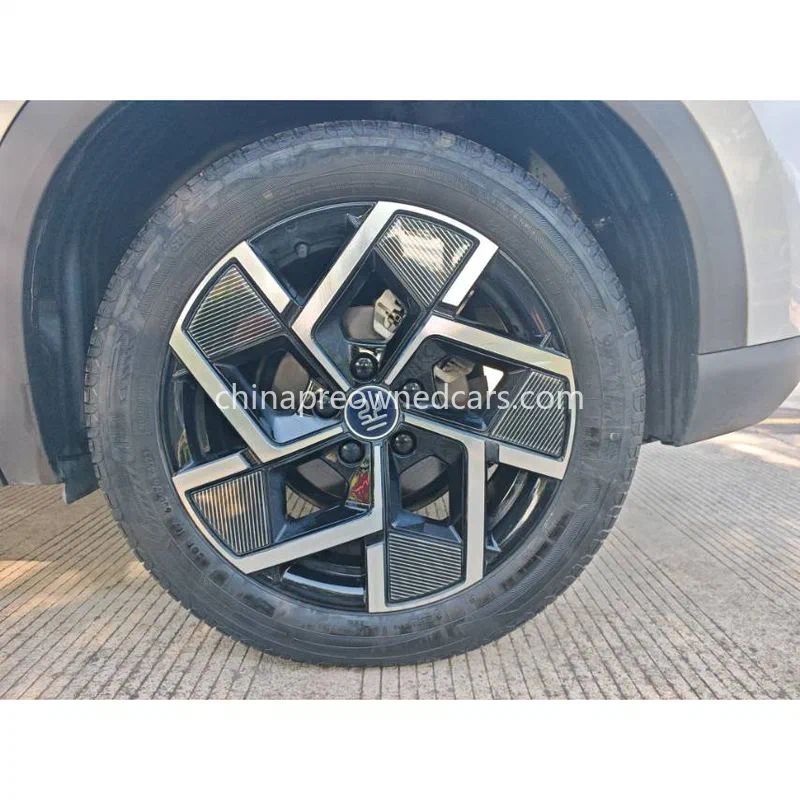
Models like the BYD Atto 3 and Geely Coolray stand out for their performance and compatibility with Kenya’s market demands. The Atto 3, as an electric SUV, is ideal for buyers in urban areas with access to charging infrastructure, while the Coolray’s hybrid technology offers versatility for mixed urban and rural use. Importers should prioritize vehicles with moderate mileage and robust maintenance records, as resale value and long-term reliability are key concerns.
For EVs, battery transport and safety are critical. Ensure that the exporter complies with international guidelines for shipping lithium-ion batteries. Additionally, buyers should request full battery diagnostics, including range tests, to confirm the vehicle’s suitability for Kenyan conditions.
Payment Terms and After-Sales Considerations
When negotiating with a used car dealer, secure a clear payment structure that includes deposits, balance payments, and any additional costs for inspections or documentation. Confirm warranty terms, if any, and inquire about after-sales support, such as spare parts availability or service partnerships in Kenya. Vehicles like the Chery Tiggo 7 Plus and Haval H6 benefit from established spare part networks, making them practical choices for the local market.
FAQ
Q: What are the key documents needed to import a used EV into Kenya?
A: You will need a certificate of origin, pre-shipment inspection report, import declaration form, and the bill of lading.
Q: How is customs duty calculated for used vehicles in Kenya?
A: Customs duty is based on the CIF value of the vehicle, with additional charges potentially applied for age or emissions compliance.
Q: Should I choose RoRo or container shipping for my vehicle?
A: RoRo is cost-effective, but container shipping offers better protection, especially for high-value EVs.