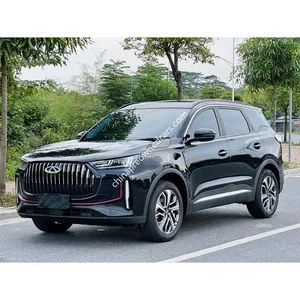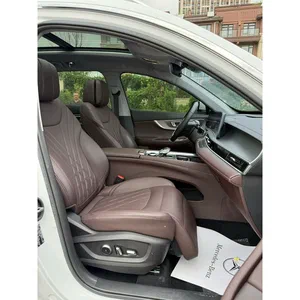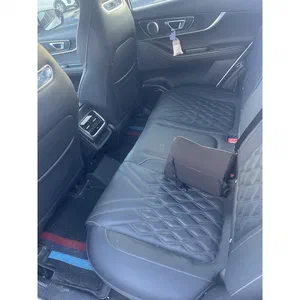
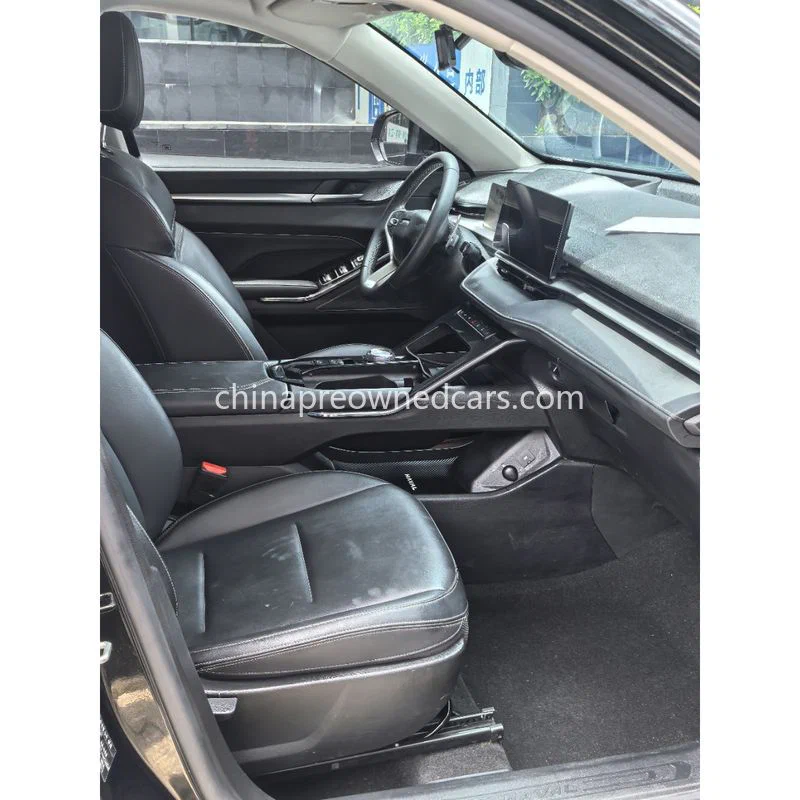
Exporting a used electric or hybrid vehicle involves more than checking its purchase price and shipping cost. Battery condition, charging compatibility and dangerous goods classification can affect customs valuation, documentation and the choice of shipping method. Buyers sourcing vehicles from China for Ghana, Nigeria, Kenya, Uganda and Tanzania should assess these factors before agreeing to shipment.
Battery state of health (SOH) is a key part of used EV valuation. It measures the battery’s remaining capacity against its original usable capacity and helps estimate how much driving range remains. A vehicle inspection should include a battery diagnostic report showing SOH, voltage differences between cells, fault codes and charging history where available. The report should identify the diagnostic method and test conditions. A dashboard range estimate alone is insufficient because temperature, driving style and recent energy consumption affect the displayed figure. For models such as the BYD Atto 3, buyers should also request the battery identification and confirm whether the reported capacity refers to usable or gross capacity.

Battery condition can affect customs valuation when authorities question the declared transaction value. Import duties are commonly calculated using a customs value based on cost, insurance and freight (CIF), although the precise valuation method and adjustments depend on destination rules. Age-related penalties or depreciation adjustments may also apply under local regulations. A vehicle with substantial battery degradation may command a lower resale price, but customs authorities do not necessarily accept a buyer’s private battery assessment as grounds for reducing the declared value. Keep the purchase invoice, payment evidence, vehicle specifications and independent inspection report available if the declared value is challenged. A top rated used car dealer should be able to explain the vehicle’s condition evidence and provide consistent transaction documents rather than relying on verbal descriptions.
Charging compatibility requires separate verification. Chinese domestic EVs may use GB/T connectors, while CCS and CHAdeMO are established alternatives in international charging markets. These standards are not automatically interchangeable. Buyers in Ghana, Nigeria, Kenya, Uganda and Tanzania should check the connector type supported by local public chargers and private charging equipment before selecting a vehicle. An adapter should not be assumed to solve every compatibility issue, particularly where communication protocols or charging power differ. Confirm both AC and DC charging specifications, onboard charger limits and the availability of compatible charging equipment. For hybrid vehicles, distinguish plug-in hybrids from conventional hybrids because only the former require external charging.
Customs preparation also needs to account for the battery’s transport classification. Lithium-ion batteries shipped separately are generally subject to UN 3480 dangerous goods requirements, while batteries contained in vehicles are generally handled under the applicable vehicle classification and transport provisions. The shipping line or freight forwarder must confirm the correct classification, packaging or handling requirements, declarations and acceptance conditions. Battery condition matters here too. Damaged or defective batteries can face additional restrictions and may not be accepted through ordinary vehicle shipping arrangements. RoRo shipping can suit complete, operable vehicles, while container shipping may offer greater control over loading and handling. The carrier must approve the chosen method before booking.
For Nigeria, import documentation commonly includes Form M and the Pre-Arrival Assessment Report (PAAR), alongside the commercial invoice, bill of lading and other customs documents required for the transaction. A certificate of origin may also be needed to establish the vehicle’s manufacturing origin. Other destination markets, including Ghana, Kenya, Uganda and Tanzania, have their own import declarations, valuation procedures and supporting document requirements. The clearing agent coordinates customs submissions, classification and duty assessment, but the importer remains responsible for confirming applicable obligations. Export preparation in China also requires the relevant export licence, customs declaration and pre-shipment inspection. Incomplete paperwork, inconsistent VIN details, disputed CIF values and missing dangerous goods information can all delay clearance.
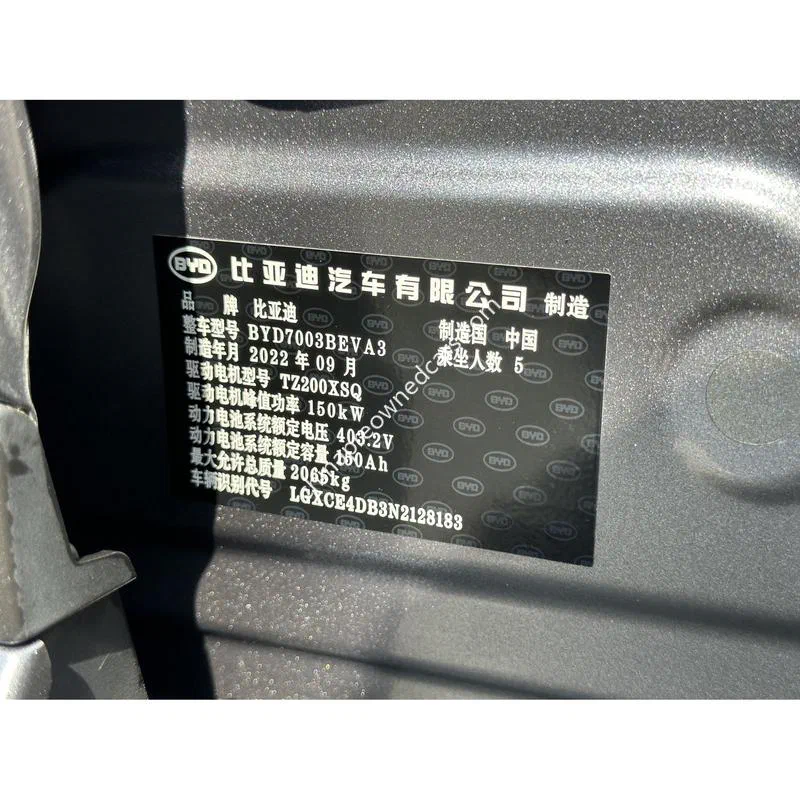
Before payment, buyers should request the VIN, battery diagnostic report, charging connector photographs, service records and a written condition assessment. Confirm left-hand-drive suitability, as most Chinese domestic inventory is LHD, and verify local vehicle age, emissions and roadworthiness restrictions with the destination customs authority. These rules can change. The resale calculation should account for expected battery degradation, local charging access, replacement-part availability and the vehicle’s realistic range under local driving conditions. Payment milestones should be linked to documented inspection and export preparation, with shipping lead times confirmed by the freight forwarder after carrier acceptance. For the BYD Atto 3 or a hybrid SUV, a lower purchase price may not compensate for incompatible charging equipment or an uncertain battery history.
FAQ
Q: Does battery state of health affect customs duty on a used electric vehicle?
A: It can influence the vehicle’s commercial value, but customs authorities generally assess declared value under their own valuation rules. An independent SOH report can support a valuation discussion but does not guarantee a duty reduction.
Q: Which documents should buyers prepare when importing a used EV into Nigeria?
A: Common requirements include Form M, PAAR, the commercial invoice, bill of lading and applicable vehicle export and origin documents. Confirm current requirements with a licensed clearing agent and Nigerian customs before shipment.